Heritage and Culture in India: Top Sites, States, and Traditions
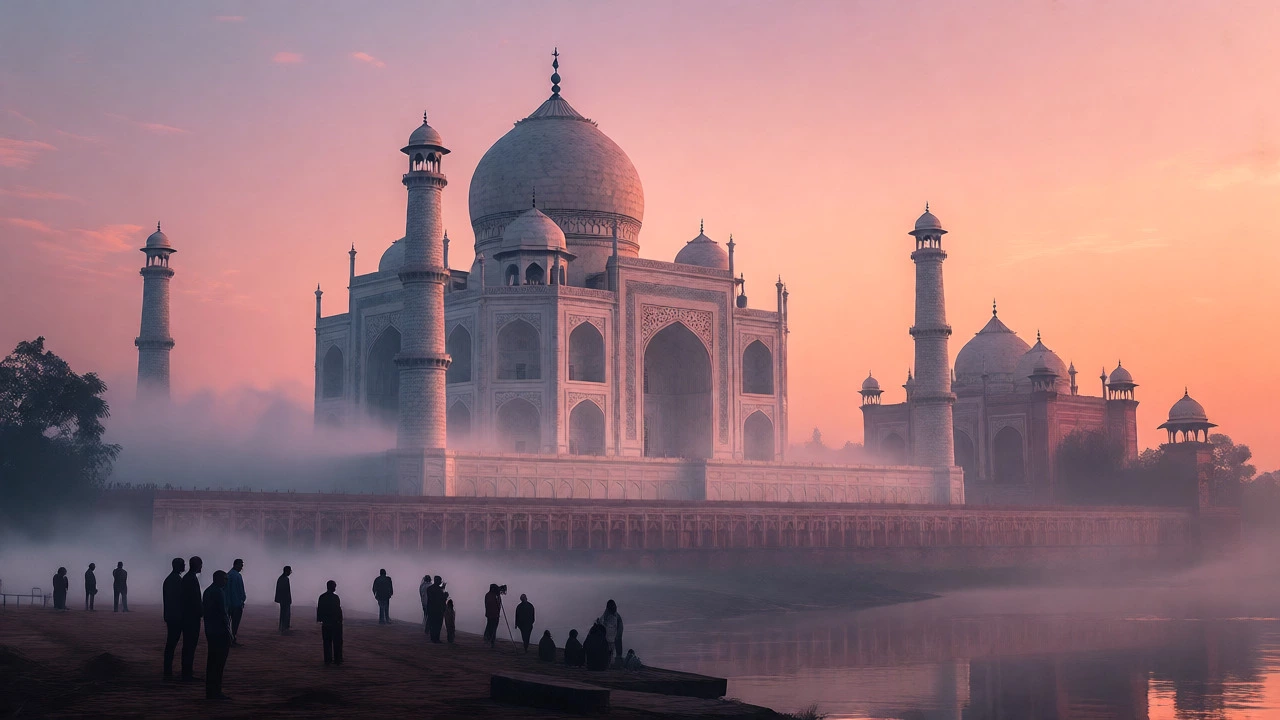
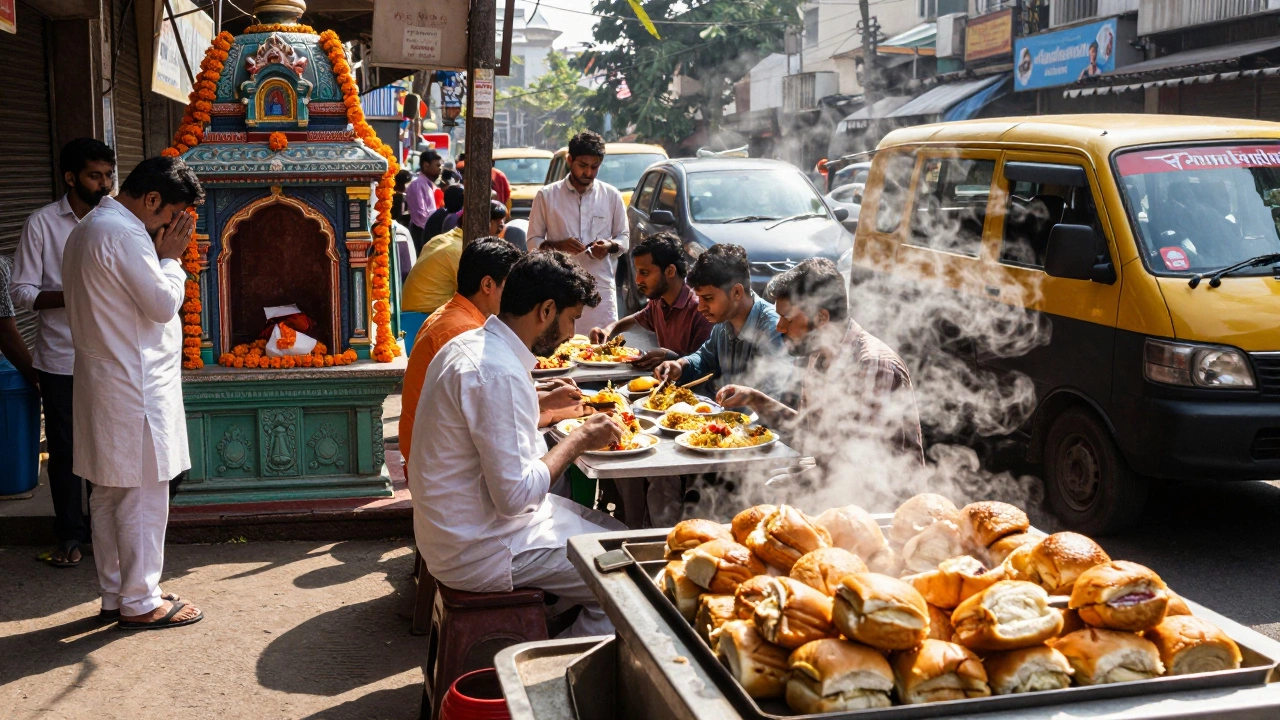
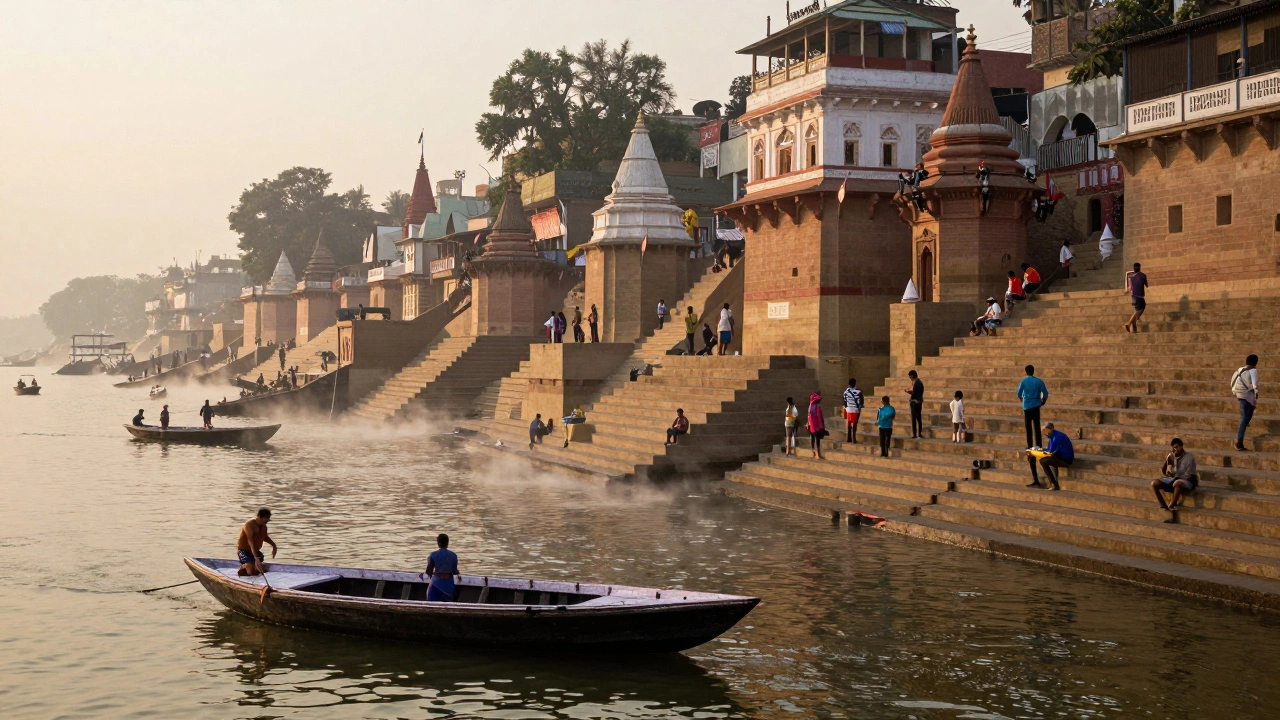
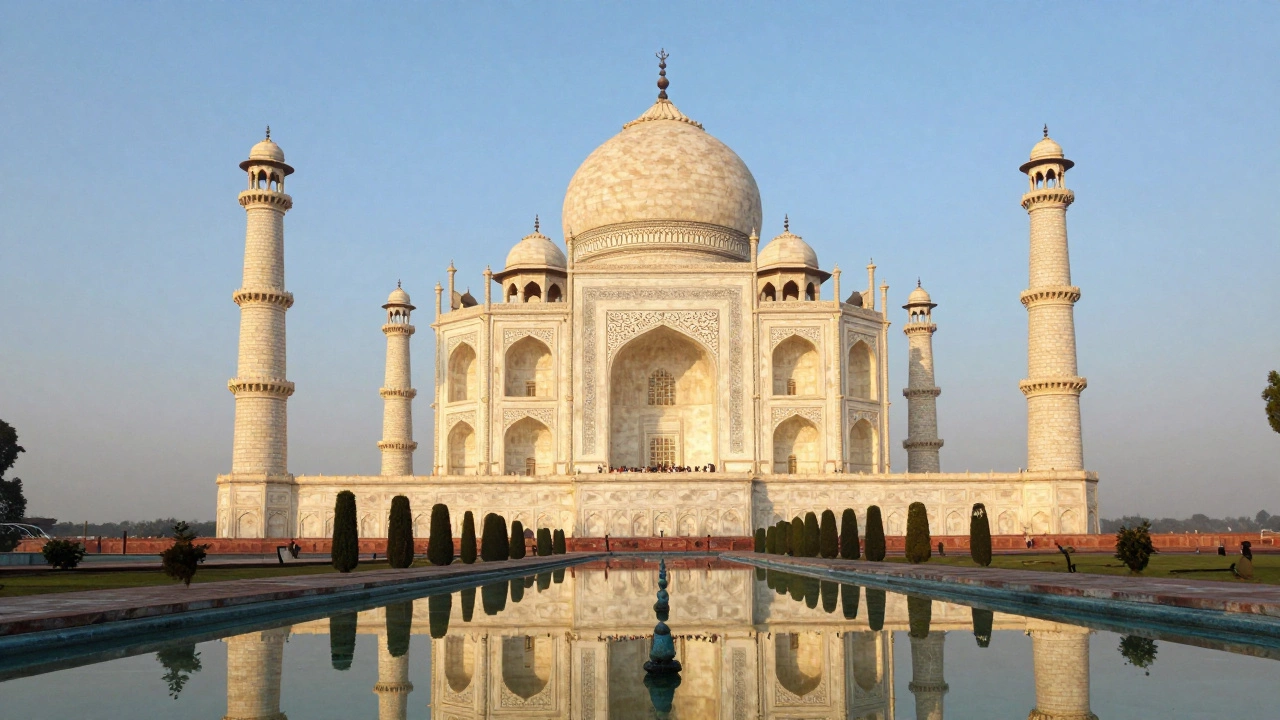
When you think of Heritage and Culture in India, the living blend of ancient monuments, living traditions, and regional identities that define the nation. Also known as Indian cultural heritage, it’s not just about old buildings—it’s about the stories, rituals, and people that keep history breathing. India’s heritage isn’t locked in museums. It’s in the morning chants at a temple in Varanasi, the rhythmic beats of a folk dance in Rajasthan, the golden sandstone walls of Jaisalmer glowing at sunset, and the quiet reverence at the Taj Mahal at dawn.
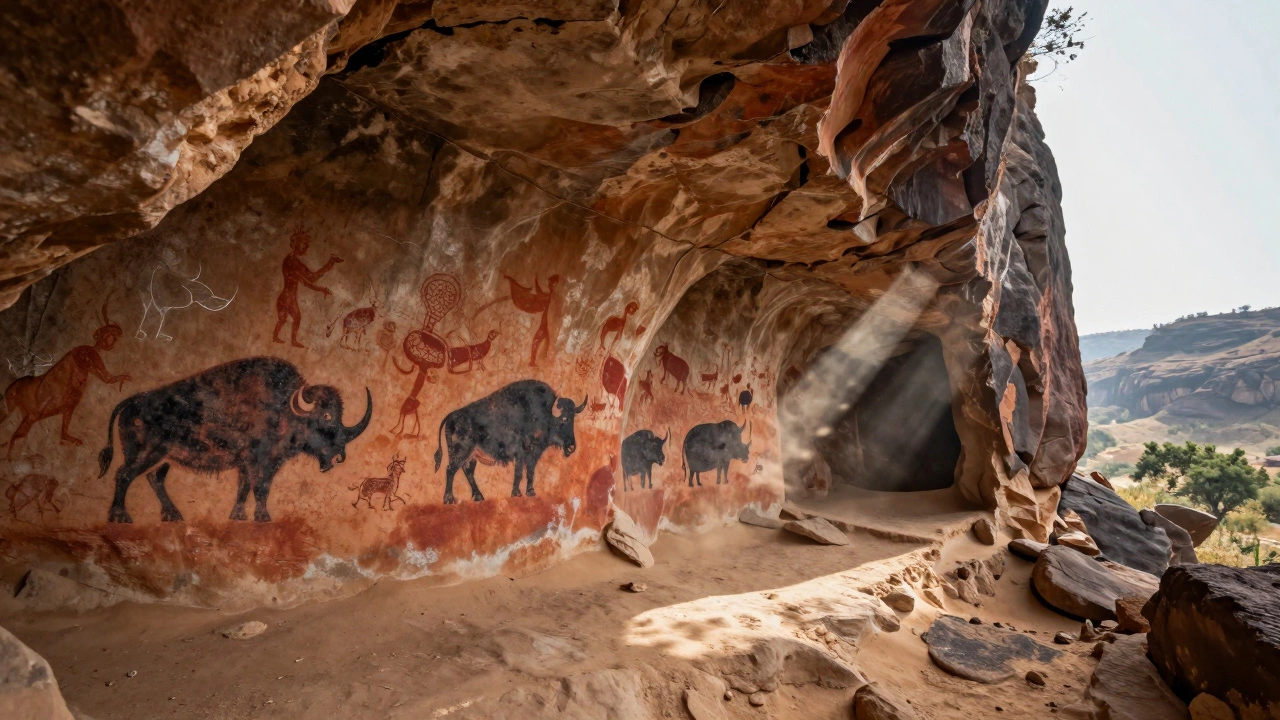
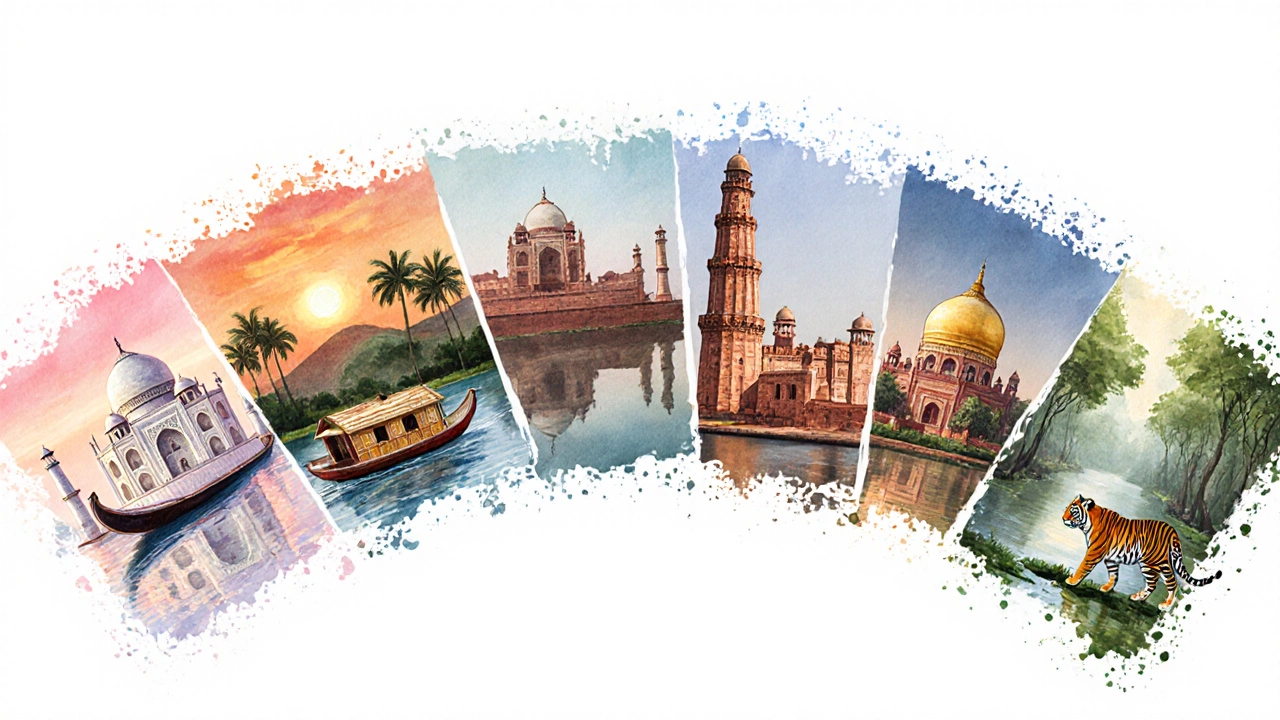
What makes India’s heritage special is how it’s split into three real types: cultural heritage, man-made landmarks shaped by human history, like forts, temples, and cities. Also known as historical sites, these are the places travelers come to see. Then there’s natural heritage, areas protected for their ecological or geological value, like the Western Ghats or Kaziranga’s grasslands. And finally, mixed heritage, where nature and culture meet—like the hill stations of Coorg or the temple forests of Tamil Nadu. These aren’t just categories. They’re the reason you can ride a bike from the desert forts of Rajasthan to the backwaters of Kerala and feel like you’ve crossed centuries in a single day.
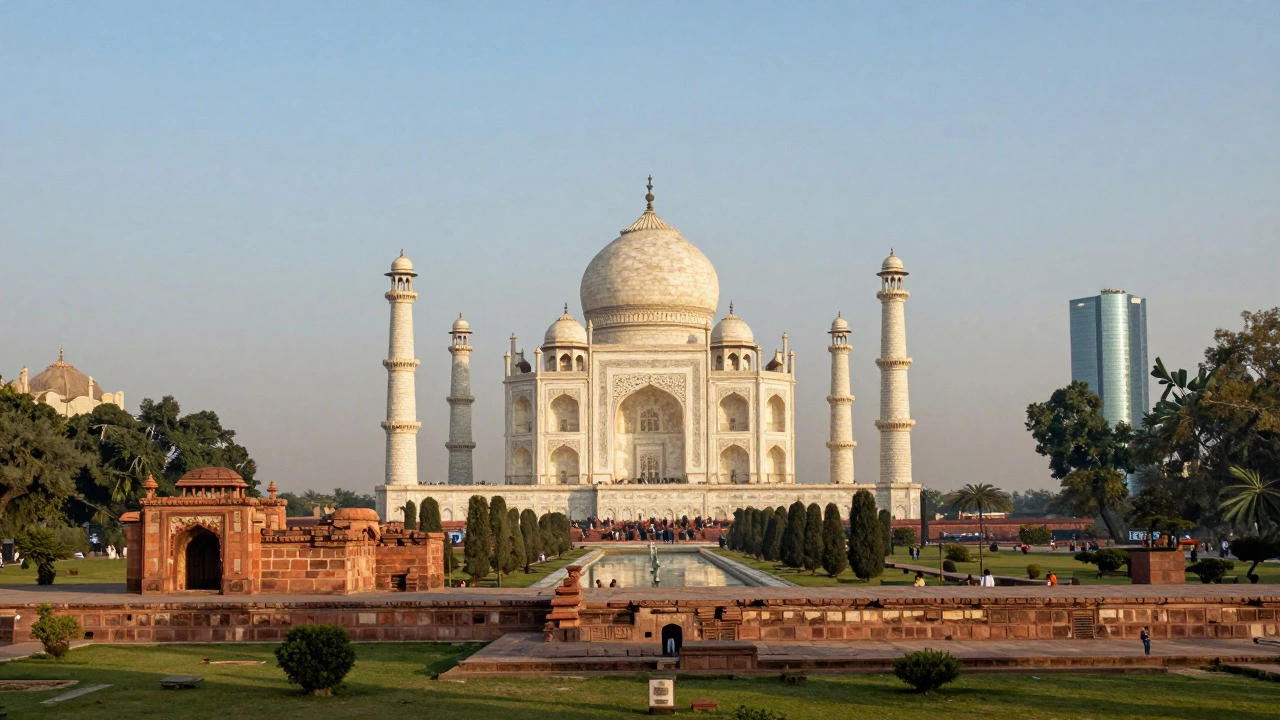
The Taj Mahal isn’t just India’s most famous site—it’s the anchor of its global heritage story. But it’s not alone. States like Rajasthan, Tamil Nadu, and Karnataka hold the most heritage sites, each with their own flavor. Rajasthan gives you palaces and desert forts. Tamil Nadu offers temple cities with towering gopurams. Karnataka hides the ruins of Hampi, a lost capital swallowed by jungle. And places like Jaisalmer and Agra aren’t just tourist stops—they’re living museums where history still walks the streets.
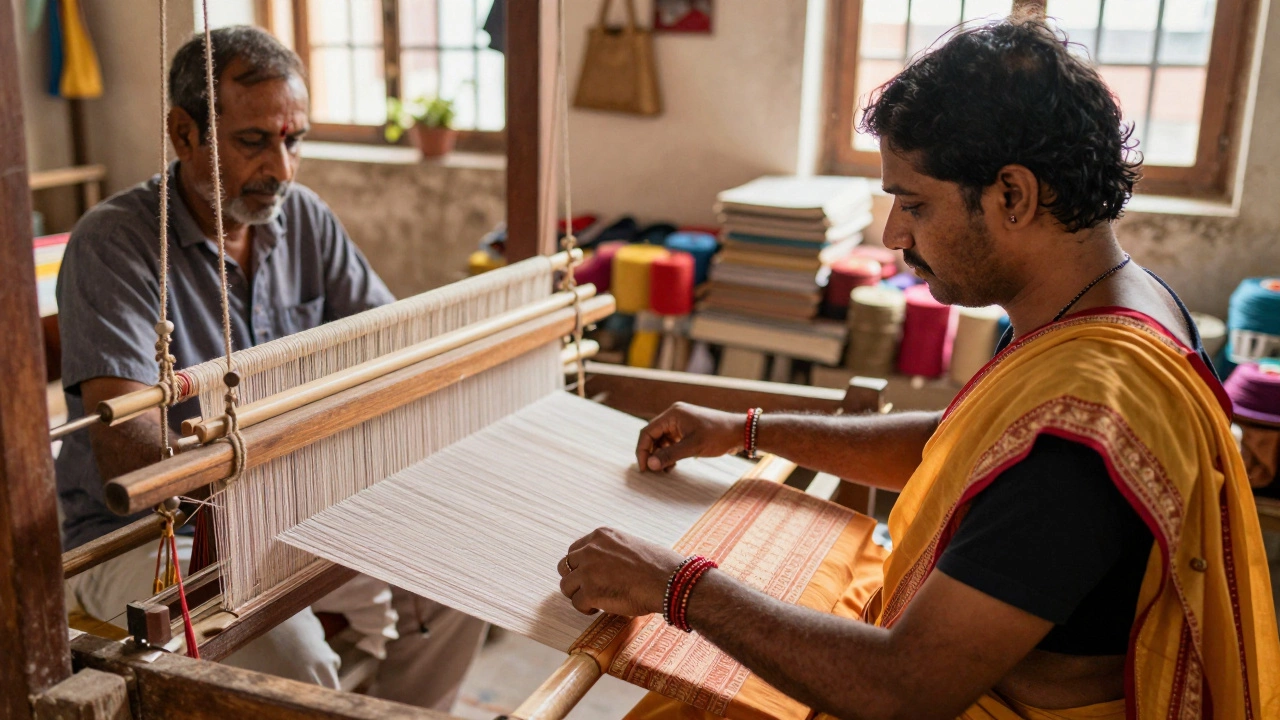
UNESCO doesn’t just list these places. It helps protect them. But the real magic happens when locals keep traditions alive—through festivals, crafts, food, and daily rituals. That’s what makes visiting more than sightseeing. It’s connection. And that’s what you’ll find in the articles below: real guides to the places people actually visit, the states that surprise you, the hidden facts behind the icons, and the quiet moments that make India’s heritage unforgettable.