Budget Travel India: How to Explore India on a Tight Budget
When you think of Budget Travel India, traveling across India without overspending by focusing on low-cost transport, food, and lodging. Also known as India on a budget, it’s not about missing out—it’s about knowing where your money goes furthest. India doesn’t ask you to break the bank to experience its temples, mountains, deserts, or bustling bazaars. You can sleep in a clean guesthouse for under $10, eat a full meal for less than $2, and hop on a train for a fraction of what you’d pay elsewhere. The key isn’t cutting corners—it’s choosing smart.
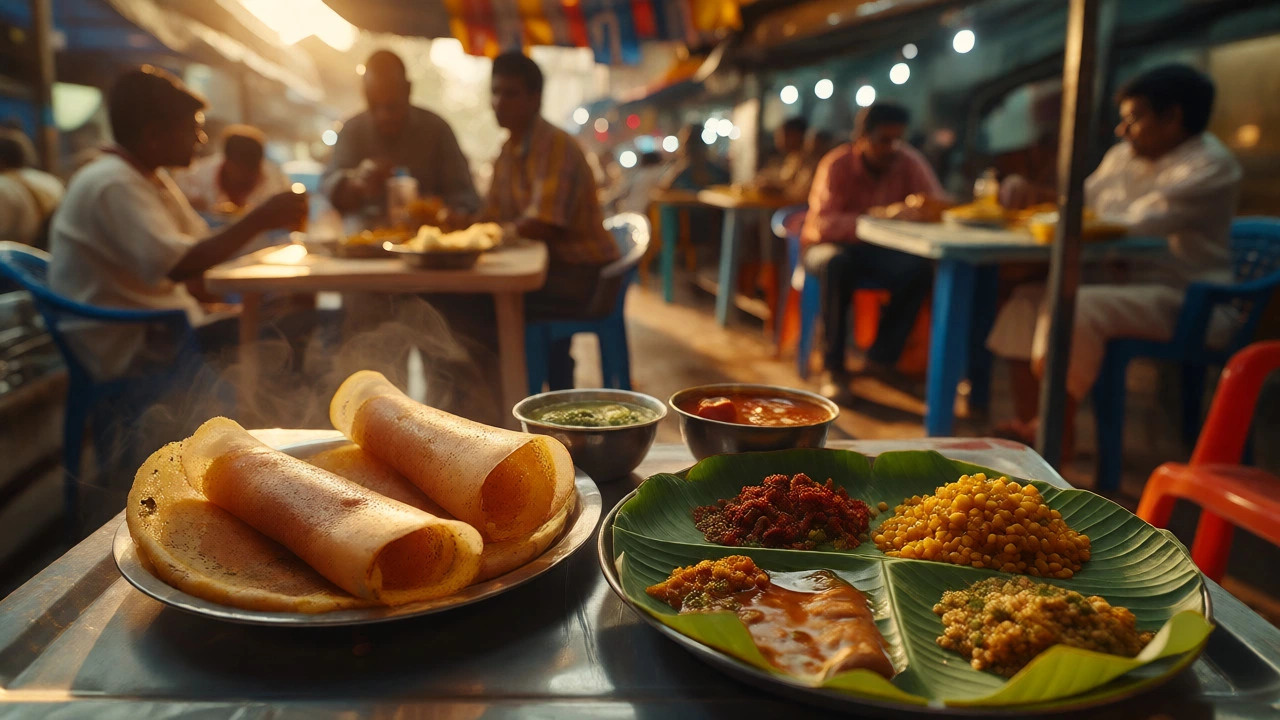
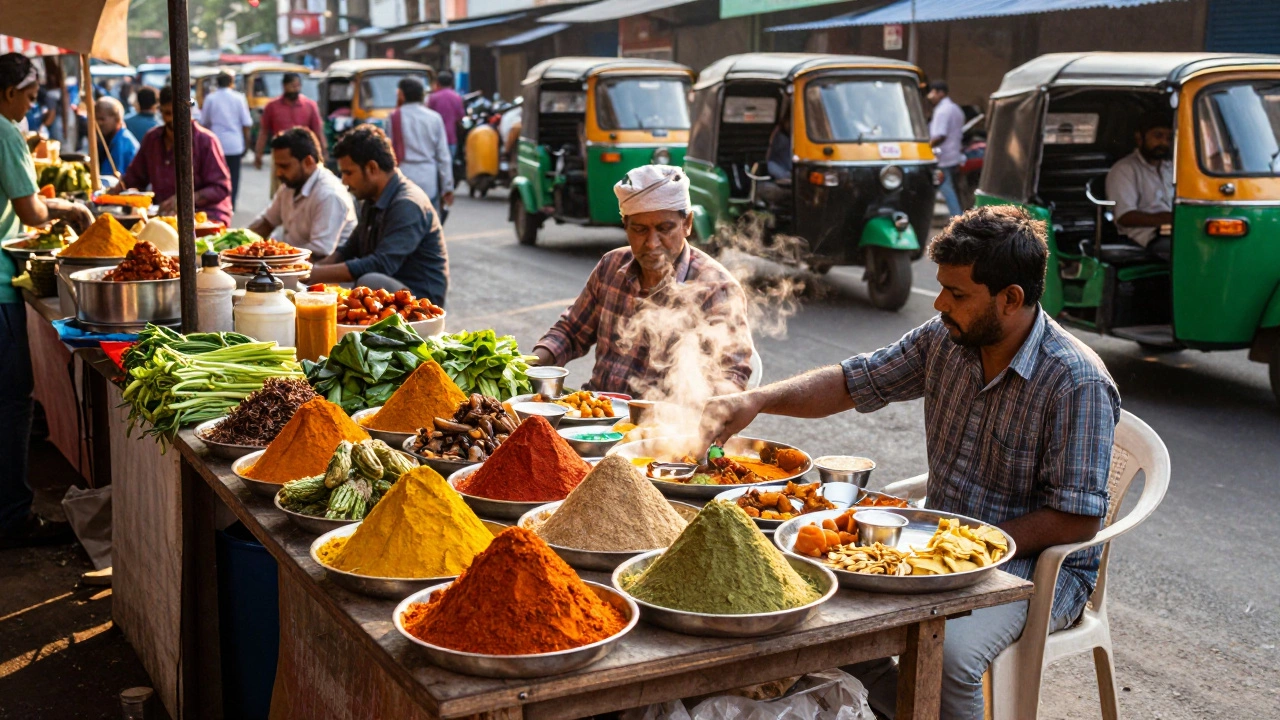
What makes affordable dining India, the wide range of cheap, authentic meals available from street stalls to local eateries. Also known as cheap eats India, it’s one of the biggest advantages of traveling here. You don’t need to book a fancy restaurant to taste real butter chicken, spicy chaat, or a steaming thali. A plate of dosa from a roadside vendor costs less than a bottle of water in many countries. And when you pair that with cheapest time to visit India, the off-season months when flights and hotels drop in price, typically April to June and October to November. Also known as travel off-season India, it’s when you get the most value for your dollar. Airfares drop, crowds thin out, and local businesses offer better deals just to stay busy. Skip peak season—December to February—and you’ll save hundreds without losing the experience.
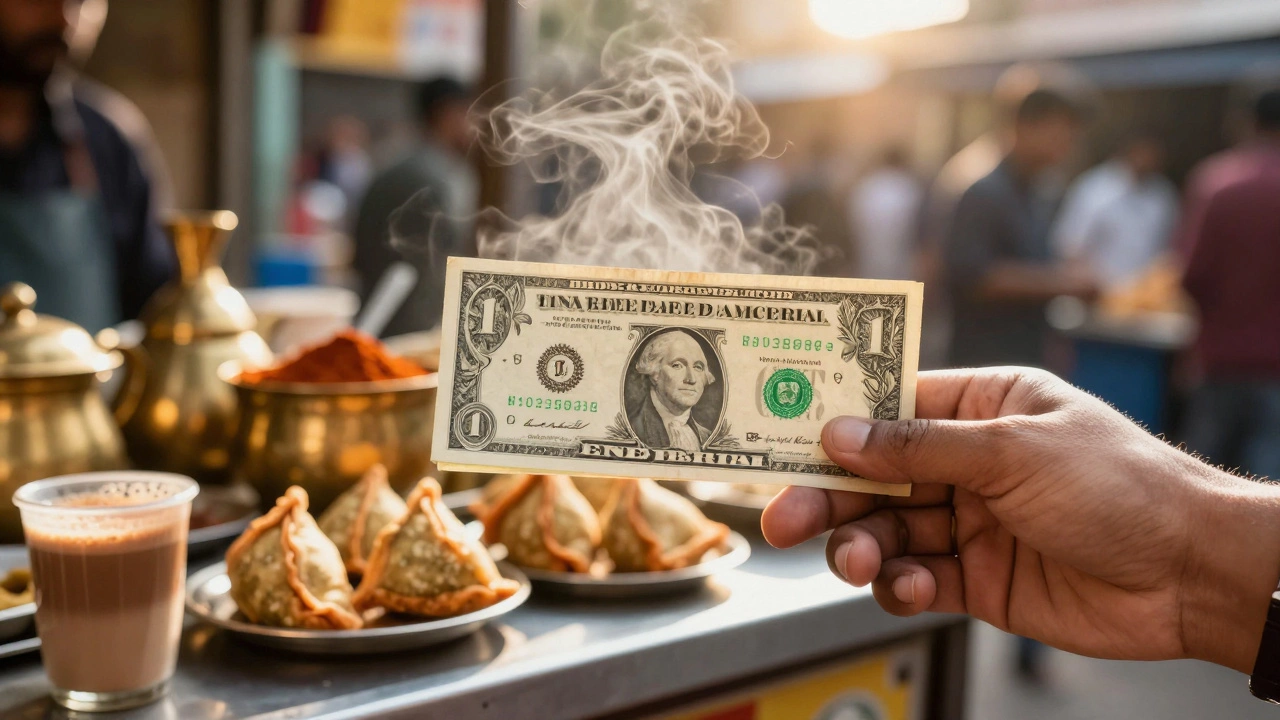
People often ask, "Is India expensive for tourists?" The answer is rarely. It’s not about how much you spend—it’s about how you spend it. A dollar goes surprisingly far here. You can ride a rickshaw across town, buy fresh mangoes, or get a full day’s worth of snacks for under $1. Even your accommodation doesn’t need to be fancy. Hostels, homestays, and budget hotels are everywhere, and many include breakfast. Transportation is another win—long-distance buses and trains are safe, reliable, and dirt cheap compared to flying. And if you’re wondering how many days you actually need? You don’t need two weeks to see the highlights. Three to five days in one region can give you more than a rushed two-week tour across the whole country.
Food, transport, timing, and where you stay—these are the four pillars of Budget Travel India. You’ll find guides here that break down exactly how much a South India trip costs, what you can buy with a single dollar, and how to stretch $500 over a weekend getaway. We’ve pulled real numbers from real travelers—not guesswork. You’ll learn which months to book flights, where to eat without getting sick, and how to avoid tourist traps that drain your wallet. No fluff. No hype. Just what works.