India Budget Travel Calculator
Food
Eat street food
80 rupees = less than $1
Accommodation
Hostels and guesthouses
$7-$12 per night
Transport
Trains and buses
Under $20 for long journeys
Attractions
Pay only for major sites
Taj Mahal: $13
Is India an expensive country to visit? If you’re picturing luxury resorts and private guides, maybe. But if you’re thinking about street food, local trains, and homestays? You’re looking at one of the most affordable countries on Earth. I’ve traveled across India over six trips - from the busy streets of Delhi to the quiet backwaters of Kerala - and I’ve never spent more than $25 a day on food, transport, and a place to sleep. That’s not a guess. That’s what it actually costs.
Food: Eat like a local for pennies
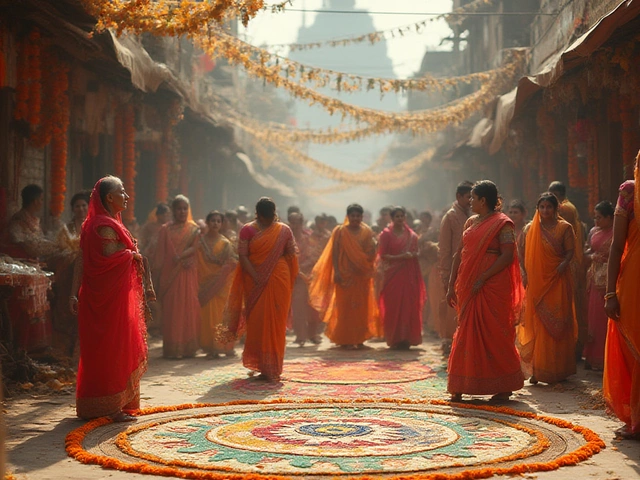
One of the biggest surprises for first-time visitors is how little you spend on food. A hot, fresh plate of dal rice and roti from a roadside dhaba costs about 80 rupees - less than $1. A plate of chaat with spicy tamarind chutney and fried dough? Around 50 rupees. Even a simple masala chai from a street vendor runs you 20 rupees. In cities like Jaipur or Varanasi, you can eat three solid meals a day for under $3. In tourist hotspots like Goa or Mumbai, prices rise slightly, but you still won’t pay more than $5 for a full meal if you avoid hotel restaurants.
Forget fancy dining unless you want to. The real flavor? It’s in the alleys, not the menus. I once ate a plate of pani puri from a man sitting on a plastic stool in Varanasi. He made 50 pieces an hour. I ate 12. He charged me 30 rupees. That’s the India most travelers never see - and the one that saves you money.
Accommodation: From hostels to palace stays
Where you sleep doesn’t have to cost a fortune. In Delhi, a clean dorm bed in a well-reviewed hostel runs 300-500 rupees a night. A private room with a fan and shared bathroom? 800-1,200 rupees. In smaller towns like Udaipur or Hampi, you can find family-run guesthouses with hot water and a balcony for under $10. Even in tourist-heavy places like Rishikesh, you’ll find basic rooms for $7-$12.
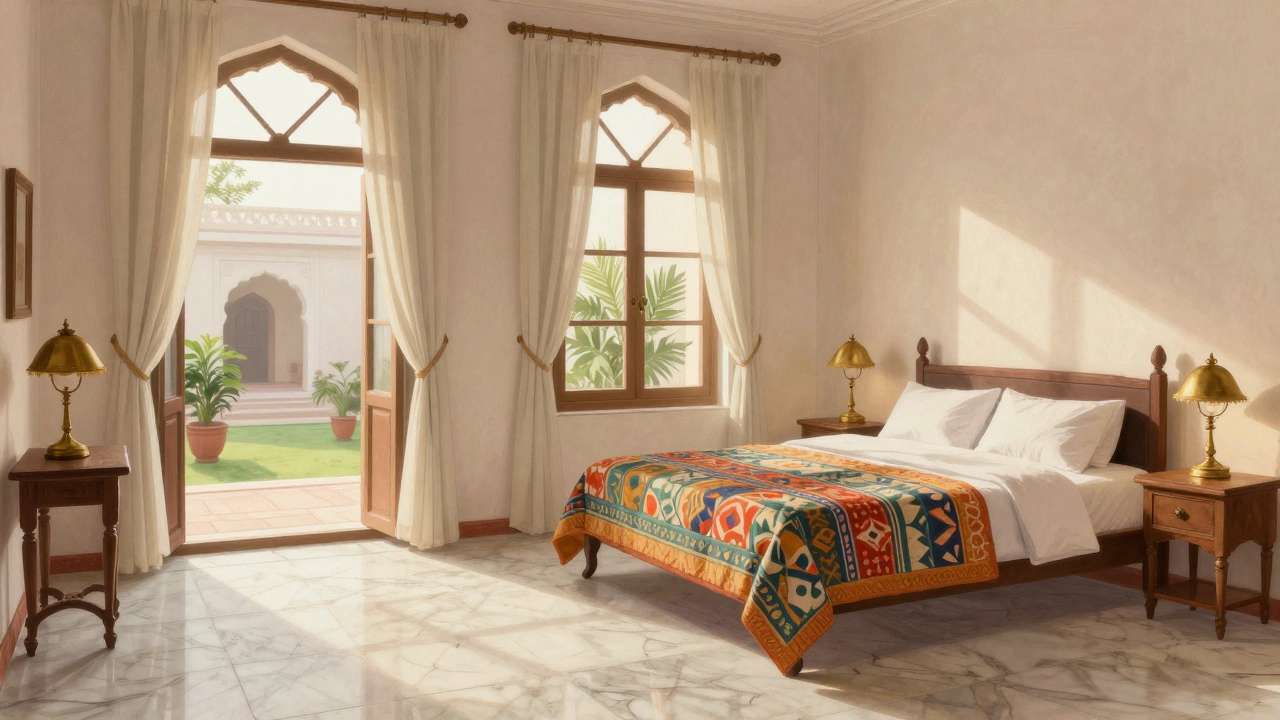
And yes - you can stay in a palace. Not the whole thing, but a room in one. Heritage hotels in Rajasthan, like those in Jodhpur or Jaipur, often have budget rooms that used to be servants’ quarters. They’re still beautifully restored, with marble floors and arched windows. I stayed in one for 2,500 rupees a night ($30) - and it was better than most 4-star hotels I’ve paid twice as much for elsewhere.
Transport: Trains, buses, and auto-rickshaws
Getting around India is cheap, but it’s not always fast. Long-distance trains are the best value. A 12-hour journey from Delhi to Agra in a second-class sleeper? About 800 rupees ($10). You get a bunk, a blanket, and a window to watch the countryside roll by. AC chair cars are slightly pricier but still under $20 for most routes.
Buses? They’re even cheaper. State-run buses in South India, like those from Chennai to Pondicherry, cost under 500 rupees. Private buses are faster and cleaner, but only slightly more expensive. In cities, auto-rickshaws are your friend - but always agree on the fare before you get in. A 5-km ride in Kolkata? 100 rupees. In Delhi? Maybe 150. Use apps like Ola or Uber if you’re nervous - they show the price upfront.
Flights are where you can save big if you plan ahead. Low-cost carriers like IndiGo and Akasa Air often have fares under $30 for short hops - Delhi to Jaipur, Mumbai to Goa. Book 3-4 weeks early, and you’ll get the best deals.
Sightseeing: Entry fees and hidden costs
Most major sights are surprisingly affordable. The Taj Mahal? 1,100 rupees for foreigners - about $13. That includes the ticket and a guidebook. The Red Fort in Delhi? 400 rupees. Hampi’s ruins? 500 rupees. Even the spiritual heart of Varanasi’s ghats? Free to walk. Some temples charge 100-200 rupees for foreigners, but locals pay 10-20. Don’t be surprised if you’re asked for a donation - it’s common, but never mandatory.
Guides? You can skip them. Most sites have QR codes now that link to free audio tours in English. Or just ask a student. I met a 19-year-old in Agra who offered to walk me through the Taj for 200 rupees. He knew every story, every hidden detail. He didn’t work for a company. He just loved history. That’s the kind of experience money can’t buy - and it cost less than a coffee in Sydney.
What actually adds up?
Here’s where people overspend: souvenirs, fake tours, and bottled water. A hand-painted Rajasthani mirror might cost 1,500 rupees at a tourist stall. Buy the same one from a local artisan in the market? 400 rupees. A “private temple tour” sold by a hotel concierge? $50. Find the same tour through a local hostel? $10.
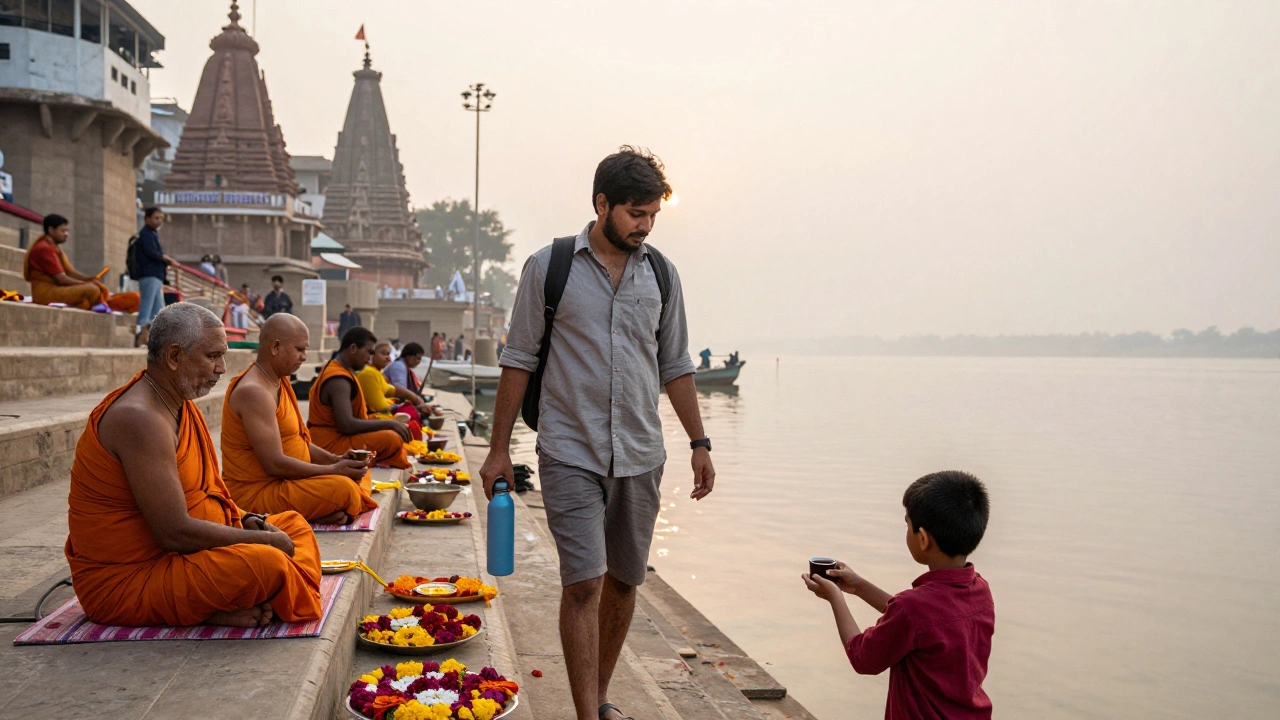
And don’t buy bottled water unless you have to. Tap water isn’t safe, but filtered water is everywhere. Most guesthouses and cafes have large jugs of purified water. Bring a reusable bottle and refill. A 5-liter jug costs 50 rupees. That’s $0.60. You’ll save hundreds over a month.
Also, skip the guided elephant rides or camel treks unless you’re okay with animal welfare issues. Many are poorly managed. You’ll pay 1,000-1,500 rupees for 20 minutes of riding. You’ll get the same views walking - and feel better about it.
How much should you budget?
For a 14-day trip, here’s what a realistic budget looks like:
- Food: $3/day = $42
- Accommodation: $10/day = $140
- Local transport: $5/day = $70
- Sightseeing and entry fees: $15 total
- Flights within India: $60 (one short hop)
- Contingency (bottled water, tips, small buys): $30
Total: $357 for two weeks. That’s under $26 a day. And that’s without splurging on anything.
Compare that to Thailand, Vietnam, or even Indonesia - all popular budget spots. India is cheaper on food, transport, and lodging. You just have to know where to look.
When does India get expensive?
It’s not the country - it’s the choices. If you want five-star hotels, private drivers, and fine dining every night, yes, it’ll cost you. But that’s not what most people mean when they ask if India is expensive. They mean: Can I travel here without draining my savings? The answer is yes - if you’re willing to swap luxury for authenticity.
Winter (November to February) is peak season. Prices rise 20-30% in popular spots like Rajasthan and Goa. But even then, you can still find deals. Book ahead. Avoid the big tour operators. Stay in smaller towns. Walk more. Eat where the locals eat.
Final truth: India rewards the curious
The cheapest way to travel India is to slow down. Skip the checklist. Don’t try to see everything. Spend two days in one village. Learn a few words of Hindi. Say thank you in the local language. People notice. They’ll invite you for tea. They’ll show you the hidden temple no map mentions. They’ll charge you nothing.
India doesn’t make you rich. But it makes you feel rich - in moments, in connections, in simple things. And that’s worth more than any resort.
Is India cheaper than Thailand for travelers?
Yes, generally. While Thailand is affordable, India beats it in food and local transport. A meal in Bangkok costs $3-$5; in India, it’s often under $1. Accommodation is similar, but Indian trains and buses are far cheaper than Thai domestic flights. For a 2-week trip, you’ll likely spend $100-$200 less in India.
Can I travel India on $10 a day?
It’s possible, but tight. You’d need to sleep in dorms, eat only street food, use buses instead of trains, and skip all paid attractions. You’d miss out on comfort and some experiences. Most travelers find $20-$25 a day gives a much better balance of savings and enjoyment.
Are ATMs safe in India?
Yes, but be careful. Use ATMs inside banks or major hotels. Avoid standalone machines in quiet areas. Most ATMs accept international cards, but notify your bank before you leave. Withdraw larger amounts less often to reduce fees. The daily limit is usually 20,000 rupees ($240).
Do I need travel insurance for India?
Highly recommended. Medical care is affordable, but emergencies can get complicated. Travel insurance covers lost bags, flight delays, and medical evacuation. A basic plan costs $30-$50 for a month. It’s the smartest $1 a day you’ll spend.
Is it safe to travel alone in India?
Yes, if you use common sense. Women should avoid isolated areas at night and dress modestly in rural regions. Solo travelers are common in backpacker hubs like Goa, Rishikesh, and McLeod Ganj. Hostels are welcoming and safe. Many solo travelers say India was the most welcoming country they’ve visited.
Next steps: How to start your budget India trip
Start by picking one region - Rajasthan for history, Kerala for nature, or the Himalayas for adventure. Book your first night’s stay through a hostel booking site like Hostelworld. Buy a local SIM card at the airport - Airtel or Jio work everywhere. Download Google Maps offline for the cities you’ll visit. Pack light. Bring a reusable water bottle. And leave room in your bag for the souvenirs you didn’t plan to buy - but will want anyway.