India Trip Duration Planner
Region Name
Description goes here.
Estimated Cost (Excl. Flights)
Suggested Daily Breakdown
Can you really see India in just five days? Most people assume that because India is a massive country with endless cultural layers, you need months to do it justice. That mindset often stops travelers from even booking a ticket. But here is the truth: you don't need a lifetime to experience the essence of India. You just need to know where not to go.
The answer to "what is the minimum vacation in India" isn't a single number for the whole country. It depends entirely on how deep you want to go and which specific region you choose. For a genuine taste of the culture, history, and chaos without burning out, the absolute minimum realistic timeframe is seven to ten days. Anything less than seven days usually results in spending more time in airports and traffic jams than exploring temples or markets.
Why Seven Days Is the Magic Number
India operates at a different speed than most Western countries. Distances are vast, and logistics can be unpredictable. If you book a four-day trip, you will likely spend two days traveling between cities and only one day actually seeing anything. That is not a vacation; that is a stress test.
A seven-day window allows you to focus on one specific circuit. Instead of trying to hit Delhi, Jaipur, Agra, Goa, and Kerala in one go (which is impossible), you pick one hub and explore its surroundings. This approach reduces transit fatigue and lets you soak in the atmosphere. You get time to wander through local bazaars, sit down for proper meals, and handle the inevitable minor delays without ruining your entire schedule.
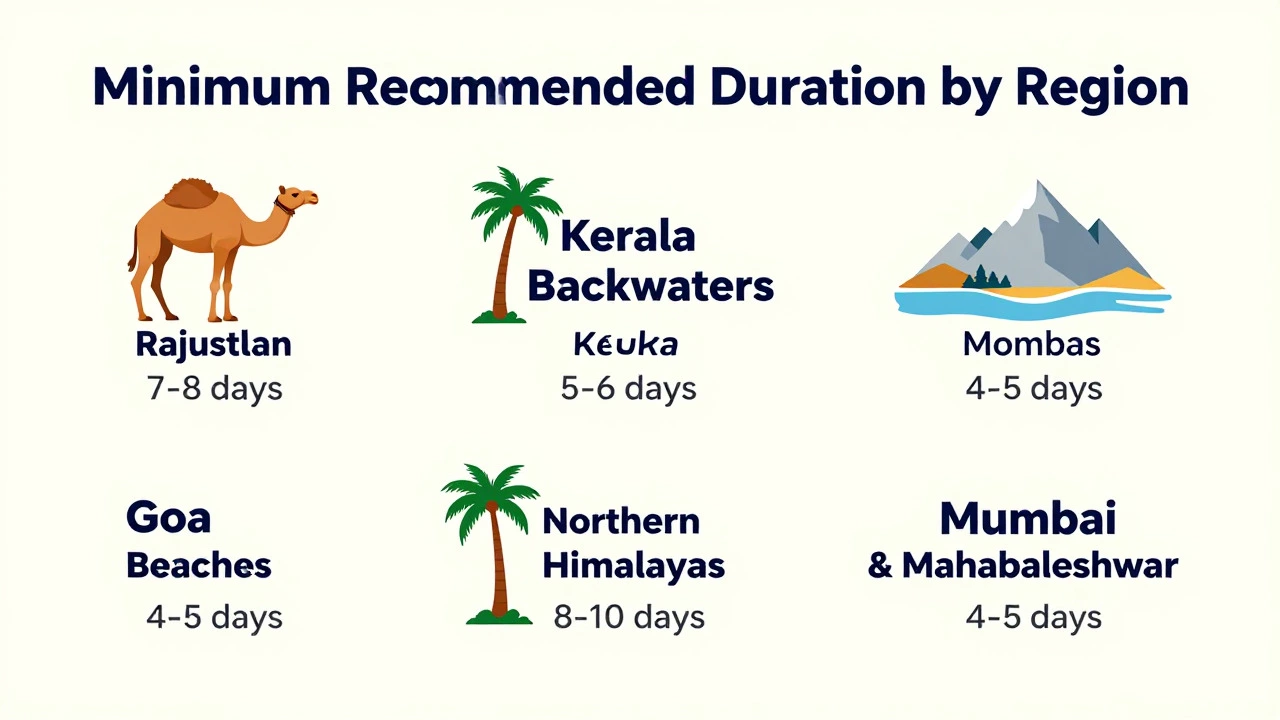
| Region/Circuit | Minimum Days | Best For |
|---|---|---|
| Rajasthan (Golden Triangle) | 7-8 days | First-timers, History, Photography |
| Kerala Backwaters | 5-6 days | Relaxation, Nature, Honeymooners |
| Goa Beaches | 4-5 days | Beach lovers, Nightlife, Quick breaks |
| Northern Himalayas | 8-10 days | Trekking, Scenic views, Adventure |
| Mumbai & Mahabaleshwar | 4-5 days | Urban exploration, Bollywood fans |
The Golden Triangle: The Classic Short Trip
If you ask any travel agent about the shortest viable Indian holiday, they will point you to the Golden Triangle. This circuit connects Delhi, Agra, and Jaipur. It is called a triangle because these three cities form a rough geometric shape on the map, and they are well-connected by road and rail.
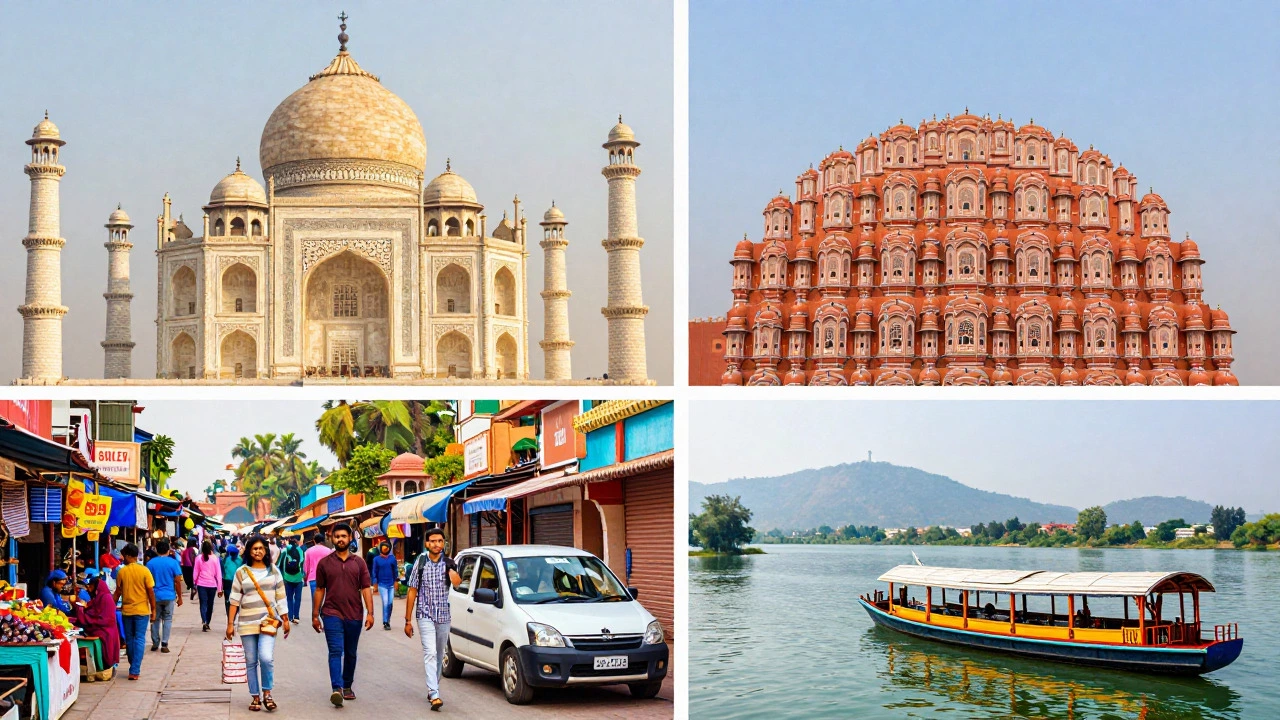
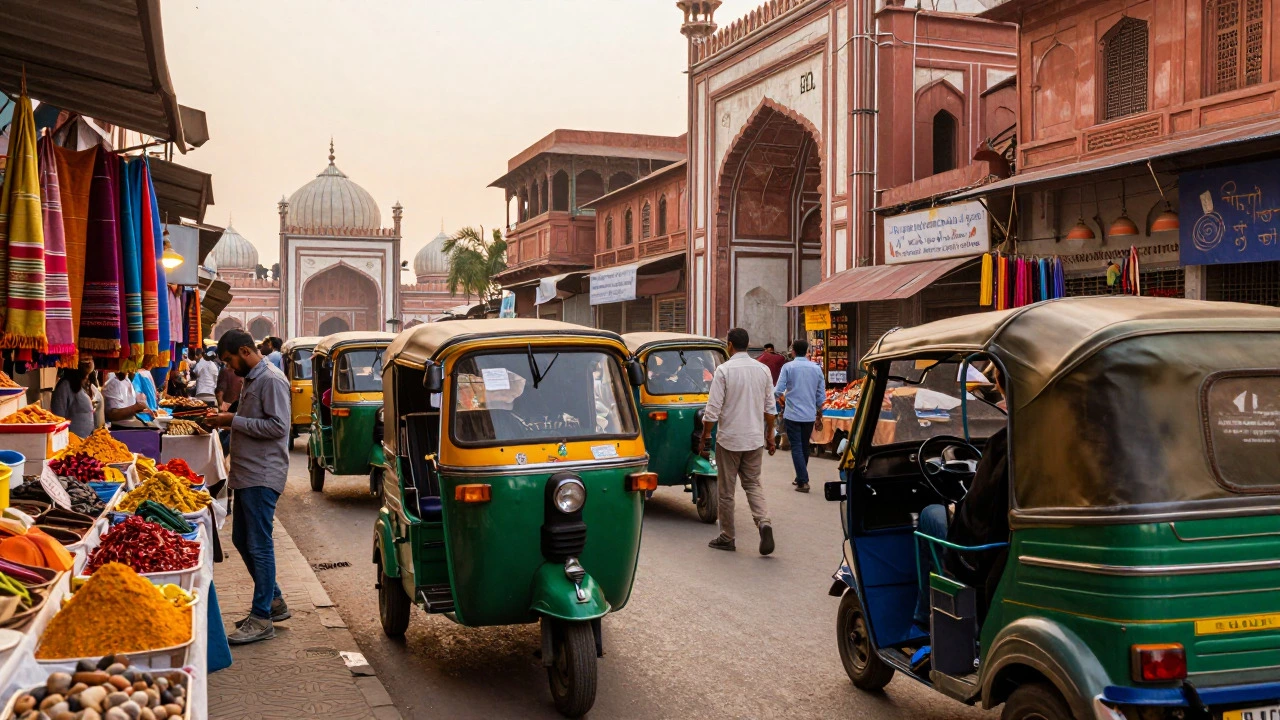
Delhi is the capital city of India, known for its colonial architecture, ancient monuments, and vibrant street food scene. You need at least two full days here. One day for the Old City (Chandni Chowk, Jama Masjid) and another for New Delhi (Red Fort, India Gate, Humayun's Tomb). Delhi is overwhelming, so keeping your stay short but intense works well.
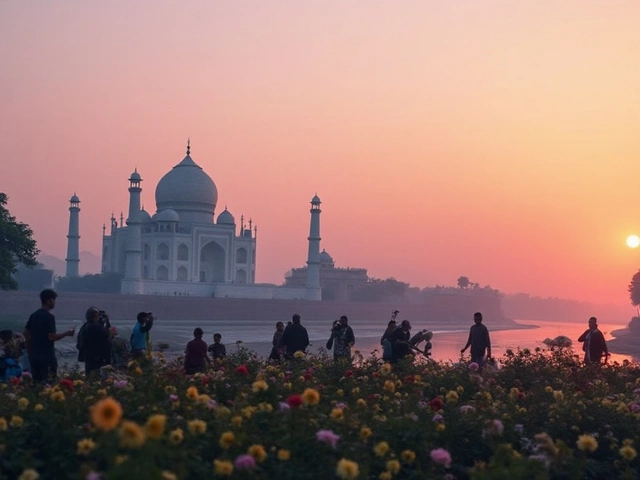
From Delhi, you take a two-hour train ride to Agra, home to the Taj Mahal. You only need one day here. Visit the Taj Mahal early in the morning to beat the crowds and heat, then spend the afternoon at Agra Fort. By evening, you head back toward Rajasthan.
Jaipur is the Pink City, famous for its forts, palaces, and traditional Rajasthani culture. Allocate three days here. Explore Amber Fort, Hawa Mahal, and Jantar Mantar. Spend an evening shopping for textiles and jewelry in Johari Bazaar. Jaipur offers a slower pace than Delhi, allowing you to breathe after the initial shock of arrival.
This 7-day loop covers the highlights of North India without requiring domestic flights. You can hire a private driver for the transfers, which adds cost but saves significant hassle. For a budget traveler, overnight trains work too, though they cut into your sightseeing time.
Kerala: The Relaxing Alternative
Not everyone wants to chase monuments. If your goal is relaxation, Kerala is the best option for a short trip. Known as "God's Own Country," this southern state offers lush greenery, backwaters, and Ayurvedic spas.
A five-day itinerary in Kerala is feasible if you stick to the central district. Start in Kochi, where you can explore the historic Fort Kochi area, see Chinese fishing nets, and enjoy fresh seafood. Then, move to Munnar, a hill station known for tea plantations. The drive takes about four hours, but the cool air and misty views make it worth it. Stay two nights in Munnar to hike the tea estates and visit spice gardens.
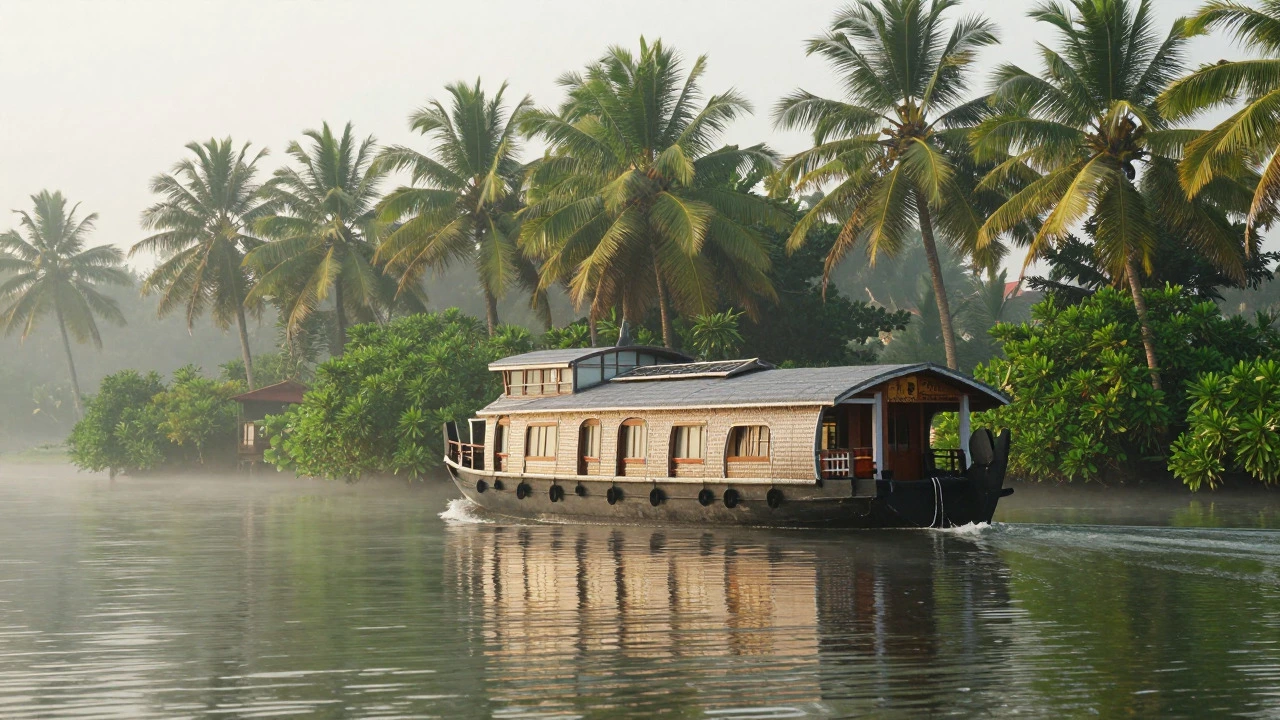
Finally, end your trip in Alleppey (Alappuzha) for a houseboat cruise on the backwaters. One night on a boat gives you a unique perspective of rural life. This itinerary feels much slower than the Golden Triangle. You aren't rushing between sites; you are staying in places long enough to feel their rhythm. Five days is tight, but it works if you skip the northern parts of Kerala like Wayanad.
Goa: The Weekend Getaway
Is it possible to visit India in just four days? Yes, if you go to Goa. Goa is compact, and the infrastructure is geared toward tourists. It has international direct flights, reducing the entry barrier significantly.
In four days, you can split your time between North and South Goa. North Goa, centered around Baga and Calangute beaches, is lively with parties, water sports, and bustling shacks. South Goa, with Palolem and Agonda beaches, is quieter, with cleaner sand and luxury resorts. You can fly into Dabolim Airport, spend two days partying in the north, and two days relaxing in the south. Add a half-day trip to Old Goa to see the Basilica of Bom Jesus, and you have a balanced mini-vacation.
Goa is also the cheapest option for short trips because accommodation ranges from $10 hostels to $500 villas. Food is affordable, and getting around by scooter costs almost nothing. However, keep in mind that Goa is a beach destination. If you want to see "real" India beyond the tourist bubble, four days might feel superficial.
Hidden Costs of Short Trips
When planning a minimal-duration vacation, many travelers overlook the hidden costs that eat up their budget. Flying into India is expensive, especially if you are coming from Europe or the Americas. To make a short trip worthwhile, you need to maximize ground experiences.
One major pitfall is visa processing. India offers e-Visas for many nationalities, which take 3-5 business days to process. Plan ahead. If you wait until the last minute, your short trip could be cancelled before it starts. Also, consider the jet lag. Crossing multiple time zones means your first 24 hours will be spent adjusting. Use that time for light activities like walking tours rather than heavy sightseeing.
Another cost is connectivity. Buying a local SIM card upon arrival is cheap (around $5 for unlimited data), but setting it up takes time. Without data, navigating India becomes exponentially harder. Download offline maps beforehand. Apps like Uber and Ola work in major cities, but in smaller towns, you may need to negotiate with auto-rickshaw drivers. Knowing basic bargaining phrases can save you 20-30% on transport costs.
Packing Light for Speed
For a short trip, pack light. Carry-on luggage only. Moving with heavy bags in crowded stations or narrow alleys slows you down. Wear comfortable shoes that you don't mind getting dusty. India is hot and humid in most regions, so breathable cotton clothes are essential. Carry a scarf or shawl for visiting religious sites, as shoulders and knees must be covered.
Bring a universal power adapter. India uses Type C, D, and M plugs. Voltage is 230V, which is compatible with most modern electronics, but check your charger labels. A portable power bank is crucial because finding charging outlets while moving between hotels and trains can be tricky.
Safety and Health Considerations
Health concerns often dictate the length of a trip. Many travelers worry about "Delhi Belly" (traveler's diarrhea). To minimize risk, drink only bottled or filtered water. Avoid ice cubes in drinks unless you are sure they are made from purified water. Eat cooked food that is served hot. Street food is delicious and generally safe if it is freshly prepared in front of you. Start with small portions to test your stomach.
Carry a basic medical kit with anti-diarrheal medication, oral rehydration salts, and band-aids. Pharmacies in India are widespread and affordable, but having immediate access to meds prevents minor issues from derailing your short schedule. Also, consider travel insurance that covers medical evacuation, just in case.
When to Go: Timing Your Short Trip
The best time for a short vacation in India is during the winter months, from October to March. Temperatures are pleasant, ranging from 15°C to 30°C depending on the region. Summer (April-June) is extremely hot, making outdoor sightseeing exhausting. Monsoon (July-September) brings heavy rains, which can disrupt travel plans and cause flooding in some areas.
If you are limited to a specific week, check the local festivals. Diwali (October/November) and Holi (March) are vibrant but bring huge crowds and higher prices. Visiting during these times can enhance the cultural experience, but it requires more patience and flexibility.
Final Thoughts on Duration
So, what is the minimum vacation in India? For a meaningful experience, aim for seven days. This allows you to cover one region thoroughly without feeling rushed. If you are on a tight schedule, five days in Kerala or Goa can still provide a memorable glimpse of the country. Four days is the absolute floor, suitable only for beach holidays in Goa or urban tours in Mumbai.
Remember, India is not a place you rush through. Even in a short trip, leave room for spontaneity. Let yourself get lost in a market, stop for chai with locals, or simply watch the sunset over the Ganges. These unscripted moments often become the highlights of your journey. Plan the framework, but stay flexible within it.
Can I visit India in just 3 days?
Technically yes, but it is not recommended. With flight times, immigration, and transit, you would have barely 48 hours on the ground. This is only viable if you are already in a neighboring country and taking a land border crossing, or if you are doing a layover tour in Mumbai or Delhi. For international travelers, 3 days is too short to justify the cost and effort of flying to India.
Is 5 days enough for the Golden Triangle?
It is tight but possible. You would need to skip some attractions and rely on fast private transfers. A typical 5-day itinerary would involve 1.5 days in Delhi, 1 day in Agra, and 2.5 days in Jaipur. Expect long drives and early mornings. It will feel rushed, but you will see the major landmarks.
Which part of India is best for a first-time short trip?
The Golden Triangle (Delhi-Agra-Jaipur) is the standard recommendation for first-timers because it offers a mix of history, culture, and iconic sights like the Taj Mahal. However, if you prefer nature and relaxation over monuments, Kerala is a better choice for a short, stress-free vacation.
How much does a 7-day trip to India cost?
Excluding international flights, a mid-range 7-day trip can cost between $800 and $1,500 per person. This includes 3-4 star hotels, private transport, meals, and entry fees. Budget travelers can reduce this to $500 by using public transport and staying in guesthouses, while luxury travelers can spend upwards of $3,000.
Do I need a visa for a short trip to India?
Yes, most foreign nationals need a visa. India offers an e-Visa facility for citizens of many countries, including the US, UK, Australia, and EU nations. The e-Visa allows stays of up to 30 days (for tourism) and must be applied for online at least 4 days before arrival. Processing times can vary, so apply early.