South India Travel Budget Estimator
Estimate your realistic spending for a trip to South India (Chennai, Kerala, Tamil Nadu). Adjust the sliders to match your travel style.
Estimated Costs
Breakdown
Eat where locals eat! Moving just two streets away from tourist hubs in Fort Kochi or Pondicherry can reduce meal prices by up to 40%.
You land in Chennai or Bangalore, step out of the airport, and immediately wonder: "How much is this going to hurt my wallet?" It’s a fair question. The internet is flooded with conflicting advice. Some say you can live on $20 a day; others warn that hidden costs will drain your savings before you even finish your first chai. So, is India cheap to travel to? The short answer is yes, but it depends entirely on how you navigate the country's vast economic disparity. For most Western travelers, India offers incredible value, especially if you head south.
Here’s the reality check: India isn't uniformly cheap. It’s a spectrum. You can sleep in a dormitory bed for $5 or stay in a luxury heritage hotel for $300. Both are valid experiences. But if you’re looking for a realistic middle ground-clean, safe, comfortable, and authentic-you can stretch your dollars (or AUDs) incredibly far. Let’s break down exactly what your money buys you, specifically focusing on South India, which tends to be more affordable and organized than its northern counterparts.
The Daily Burn Rate: What Does It Actually Cost?
Forget the vague "backpacker vs. luxury" dichotomy. Let’s look at three distinct traveler profiles. This helps you decide where you fit without guessing.
| Travel Style | Accommodation | Food & Drink | Transport & Activities | Total Daily Estimate |
|---|---|---|---|---|
| Budget Backpacker | $8 - $15 (Hostel/Dorm) | $5 - $10 (Street food, local cafes) | $5 - $10 (Local buses, walking) | $18 - $35 |
| Mid-Range Explorer | $25 - $45 (3-star hotels, private rooms) | $10 - $20 (Restaurants, occasional drinks) | $15 - $25 (Auto-rickshaws, trains, entry fees) | $50 - $90 |
| Luxury Seeker | $80+ (Boutique resorts, Ayurveda spas) | $30+ (Fine dining, imported alcohol) | $40+ (Private drivers, domestic flights) | $150+ |
Notice the gap between Budget and Mid-Range? That’s where most people land. In Kerala or Tamil Nadu, a mid-range room often includes breakfast, air conditioning, and hot water. In Europe, $60 might get you a cramped Airbnb in a suburb. Here, it gets you a staffed hotel with pool access. The value proposition is undeniable.
Why South India Changes the Equation
If you’ve heard horror stories about touts in Delhi or scams in Jaipur, know that South India plays by different rules. Cities like Bengaluru, Mysore, and Coimbatore are generally calmer. The infrastructure is better, the weather is milder, and the culture is slightly more reserved regarding tourist interactions.
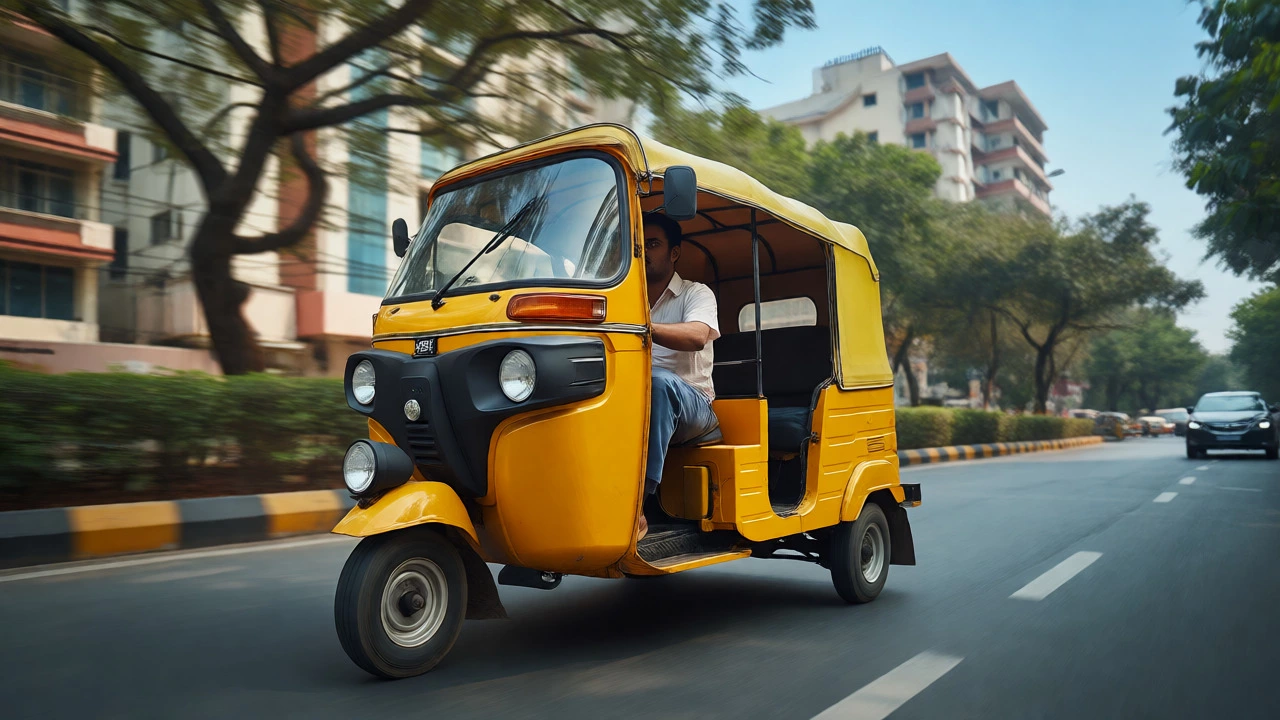
Take transport. In North India, negotiating an auto-rickshaw fare can feel like a blood sport. In South India, apps like Ola and Uber work seamlessly. They fix the price upfront. No haggling, no stress, and often cheaper than street-hailed autos because they bypass the "tourist tax." Using these apps keeps your transport costs predictable. A 10km ride in Bengaluru might cost $2-$3. Compare that to London or Sydney, where the same distance could cost $20-$30. The math is simple.
Food: The Biggest Wallet Saver
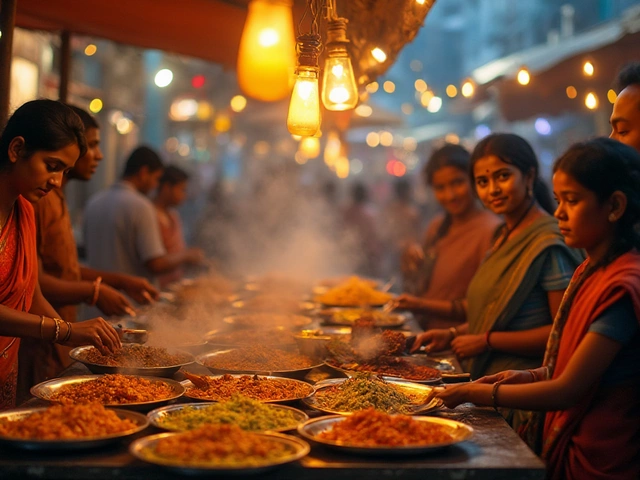
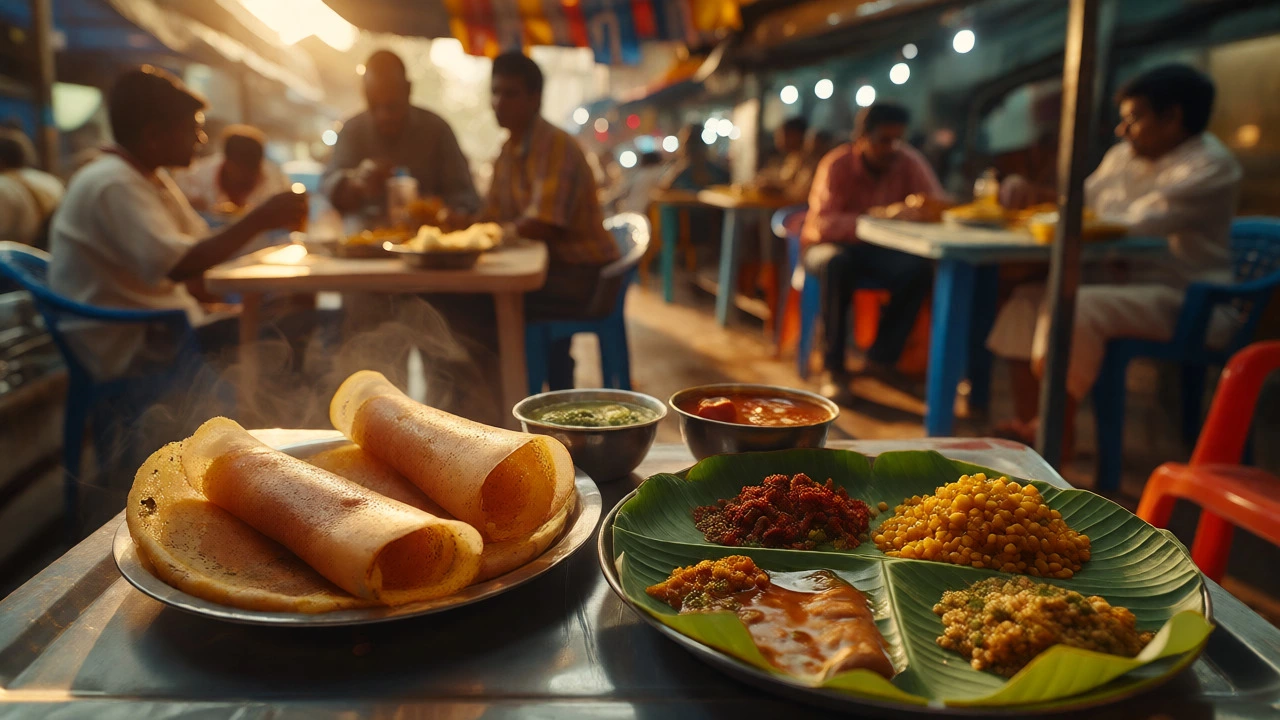
You won’t starve, and you definitely won’t go broke eating. Indian cuisine is inherently affordable. A plate of Dosa (fermented crepe made from rice and lentil batter) costs $1-$2. A thali meal-a platter with multiple curries, rice, and bread-runs $3-$5. These aren't sad portions; they are hearty, nutritious meals designed to fuel laborers and students alike.
However, there’s a trap. If you stick only to tourist hubs like Fort Kochi or Pondicherry Beach Road, prices inflate. Venture two streets back into the local market, and prices drop by 40%. Eat where the locals eat. Look for places with plastic chairs and high turnover. Hygiene standards vary, so use common sense: avoid ice in drinks if you have a sensitive stomach, and opt for cooked vegetables over raw salads initially.
Accommodation: Quality vs. Price
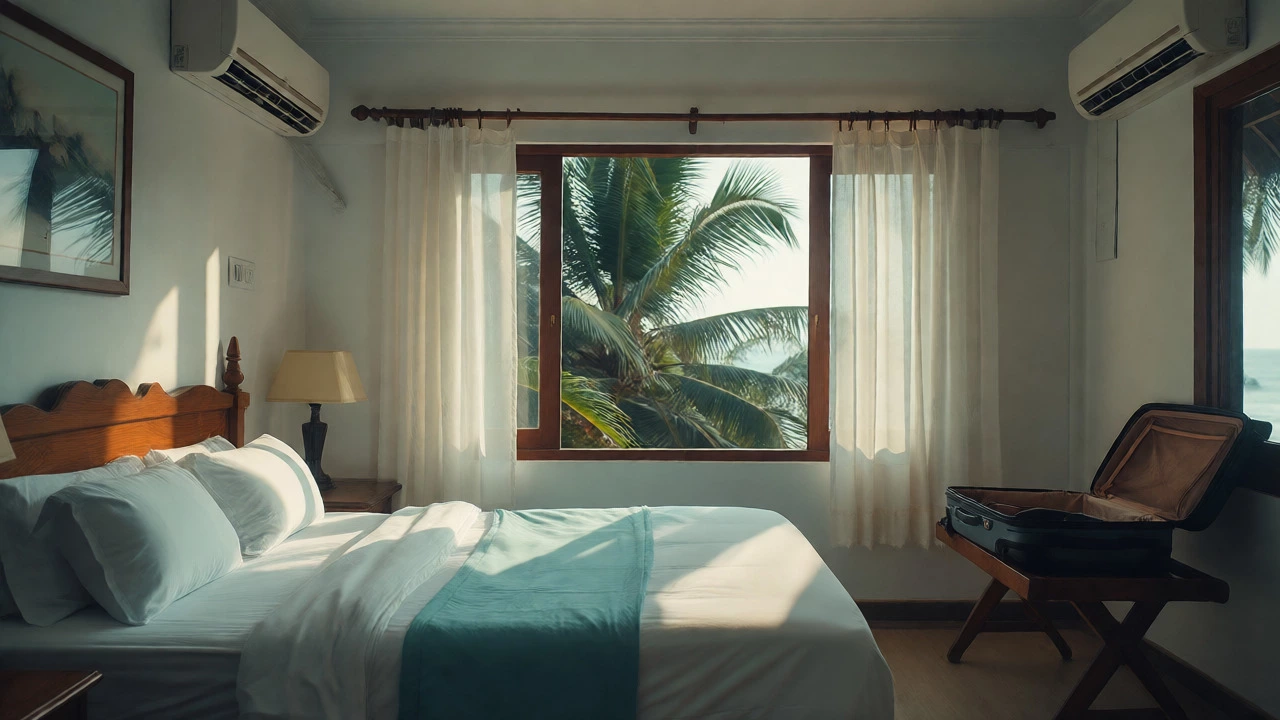
Housing is where you’ll see the biggest arbitrage. In Australia, $50 might get you a shared bathroom in a hostel. In Varkala, Kerala, $50 gets you a private cottage with ocean views, AC, and breakfast included. Yes, really.
But don’t just book based on photos. Check recent reviews. Older buildings in South India can suffer from maintenance issues-leaky roofs or inconsistent hot water. Booking platforms like Booking.com or Agoda are reliable here. Agoda, in particular, often has better rates for Asian properties. If you’re staying longer than a week, ask for a monthly rate. Many guesthouses will slash the nightly price by 30% if you commit to a month. This is standard practice and rarely advertised.
The Hidden Costs That Add Up
So, why do some people blow their budget? It’s usually not the basics. It’s the extras.
- Alcohol: This is the big one. Beer is expensive due to heavy taxation. A pint of Kingfisher might cost $3-$5 in a bar, but $10+ in a club. Wine is pricier still. If you drink heavily, your daily budget doubles instantly.
- Domestic Flights: While trains are cheap, flights within India can be surprisingly pricey if booked last minute. Use MakeMyTrip or Ixigo to compare fares. Booking 3-4 weeks ahead saves significant cash.
- Entrance Fees: Historical sites charge separate rates for foreigners. The Meenakshi Temple in Madurai charges a nominal fee, but major forts or wildlife reserves in Periyar National Park can cost $10-$20 per person for boat rides and safaris.
- SIM Cards: Data is cheap. An Airtel or Jio SIM card with unlimited data for a month costs around $5-$7. But you need your passport and visa details for registration. Do this at the official store, not a roadside kiosk, to avoid activation delays.
Currency and Payment Realities
The Indian Rupee (INR) is the currency. As of late 2026, exchange rates fluctuate, but generally, $1 USD equals roughly ₹83-₹85 INR. Always carry cash. Digital payments via UPI (Unified Payments Interface) are ubiquitous among locals, but tourists often struggle to set them up without an Indian bank account. Foreign cards work in cities, but smaller towns and rural areas remain cash-based.
ATMs are everywhere, but many have withdrawal limits (often ₹10,000 or ₹20,000). Plan accordingly. Withdraw larger amounts less frequently to minimize transaction fees charged by your home bank. And keep small notes handy. Drivers and shopkeepers often lack change for ₹500 or ₹2000 notes.
Verdict: Is It Worth It?
Yes. Absolutely. But approach it with strategy. Don’t expect First World convenience at Third World prices. You trade speed and polish for affordability and richness. The chaos is part of the charm, but it doesn’t have to break the bank.
If you avoid the tourist traps, use local transport, eat local food, and stay in well-reviewed mid-range hotels, you can enjoy a high-quality trip through South India for less than half the cost of a similar trip in Europe or North America. Your money goes further because the labor and service costs are lower. You’re not just saving money; you’re accessing a lifestyle that remains out of reach for many Westerners back home.
Is it safe to drink tap water in South India?
No. Tap water is not potable for most international visitors. Stick to bottled water, which is widely available and cheap (around $0.20 for a liter), or use filtered water stations found in many hotels and cafes. Avoid ice in drinks unless you are certain it was made from purified water.
Do I need to tip in India?
Tipping is customary but not mandatory in the same way as in the US. In restaurants, a 5-10% tip is appreciated if service wasn't included. For drivers and guides, tipping is expected and forms a large part of their income. For auto-rickshaw drivers, rounding up the fare is sufficient. Small tips go a long way in building goodwill.
Are credit cards widely accepted in South India?
In urban centers like Bengaluru, Chennai, and Hyderabad, yes. Most hotels, malls, and mid-to-high-end restaurants accept Visa and Mastercard. However, smaller shops, street vendors, local markets, and rural areas operate primarily on cash. Always carry a mix of digital payment options (if set up) and physical cash.
How much does a train ticket cost in South India?
Train tickets are very affordable. A sleeper class ticket for a 6-hour journey might cost $2-$4. Air-conditioned classes (like 3AC) range from $8-$15 depending on distance. Booking in advance via IRCTC or third-party apps ensures availability and better prices. Trains are a scenic and economical way to travel between states.
Is bargaining necessary when shopping?
Yes, in markets and non-fixed-price stores. Start by offering about 50-60% of the initial asking price and negotiate from there. Be polite but firm. In malls and branded stores, prices are fixed. For handicrafts, saris, and souvenirs, bargaining is part of the cultural experience and can save you significant money.