Find Your Perfect Beginner Trek in India
Not sure which peak is right for your first climb? Answer these three quick questions to find the trek that matches your fitness level, travel dates, and comfort preferences.
Trek Name
DifficultyKey Details
- Max Altitude:
- Best Season:
- Duration:
Why This Trek?
Thinking about your first real mountain climb but worried you might turn back at the halfway point? You’re not alone. Most people imagine Himalayan trekking as a brutal test of endurance reserved for seasoned athletes with $2,000 gear. But here’s the truth: some of the most breathtaking peaks and ridges in India are surprisingly accessible if you pick the right one. The secret isn’t just choosing a "small" mountain; it’s choosing a route that builds your confidence without breaking your body.
If you’re looking for the single best starting point, many experts point to Kedarkantha in Uttarakhand, which offers a perfect mix of snow, forest, and manageable altitude. However, "best" is subjective. It depends on whether you want snow, green meadows, or cultural immersion. Let’s break down the top contenders so you can pick the one that fits your fitness level and travel dates.
Why Kedarkantha Is Often Called the Perfect First Trek
Kedarkantha is a 12,500-foot peak in the Uttarkashi district of Uttarakhand, and it has earned a reputation as the gateway trek for Indian beginners. Why? Because it doesn’t demand technical climbing skills. You won’t need ropes or crampons for most of the year, though winter versions require basic traction gear.
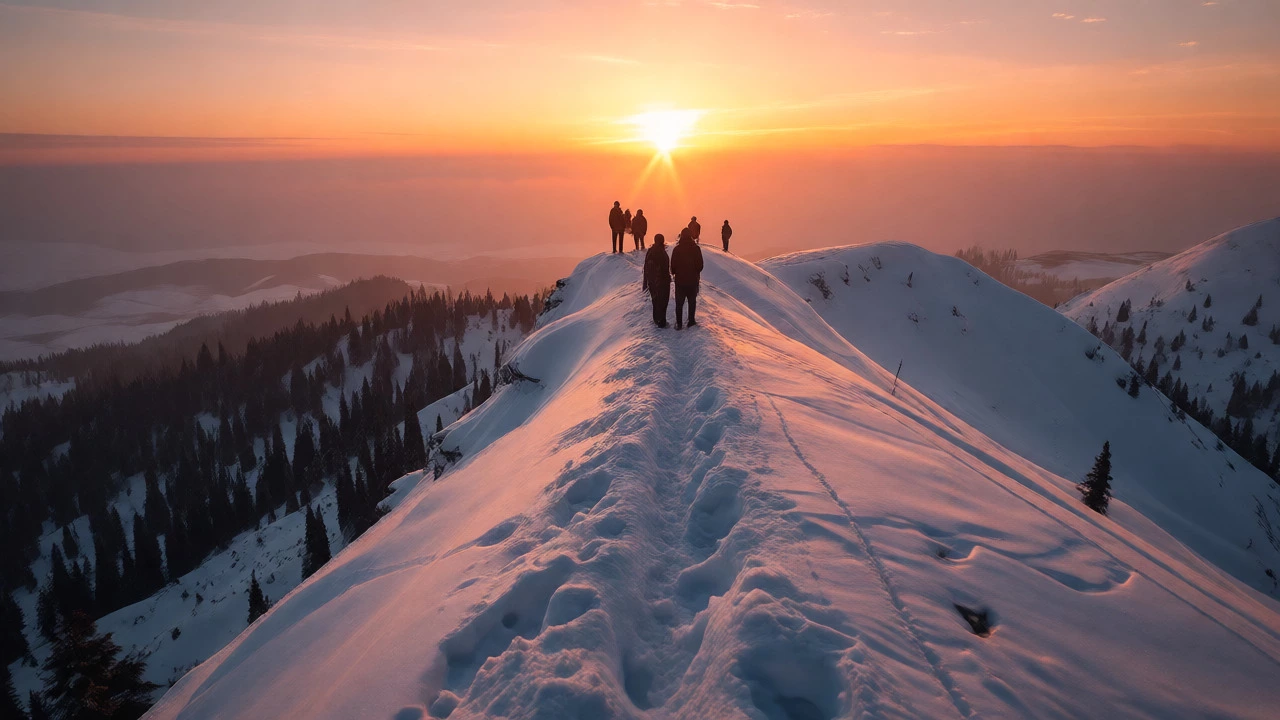
The trail takes you through dense pine forests before opening up into vast snow-covered meadows called Bugyals. The summit day is tough-you’ll wake up at 3 AM to catch the sunrise-but the path is well-defined. There’s no risk of getting lost, which is huge for novices who panic when they can’t see the trail. Plus, the base camp infrastructure is solid. Local guides are abundant, and food is hot and hygienic. If you’ve never slept in a tent above 10,000 feet, this is where you learn how.
Kasol-Kheerganga: For Those Who Want Hot Springs After the Hike
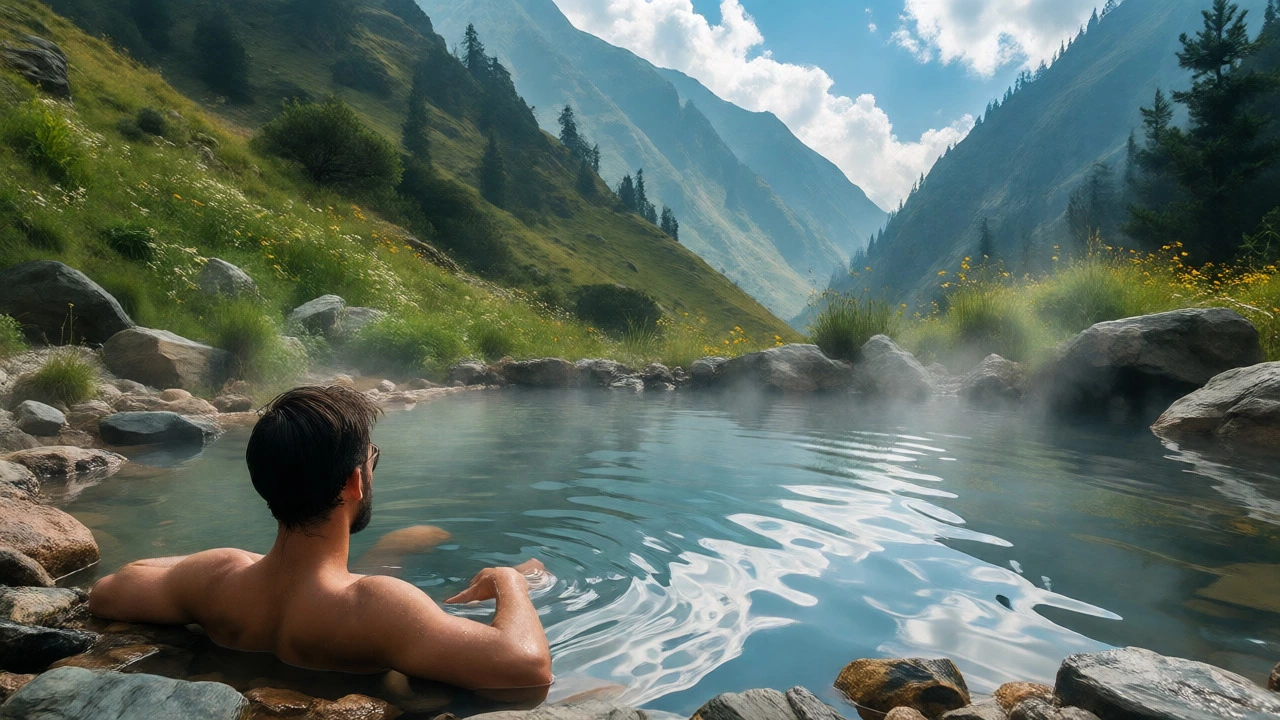
Not everyone wants to sleep in freezing tents. If you prefer comfort, look at Kheerganga in Himachal Pradesh, a trek famous for its natural hot water springs at the summit. Located near Kasol, often called "Little Israel," this route is shorter and less strenuous than Kedarkantha. The ascent is steep but short-about 9 km over two days.
The payoff? Soaking in warm, mineral-rich water while looking out over the Parvati Valley. It’s incredibly rewarding psychologically. Knowing there’s a hot bath waiting reduces the mental barrier to pushing harder during the climb. This trek is ideal if you’re traveling with friends who might complain about cold nights. It’s also very social; you’ll meet hundreds of other travelers, making it easier to find companionship if you’re solo.
Brahmatal: The View That Justifies Every Step
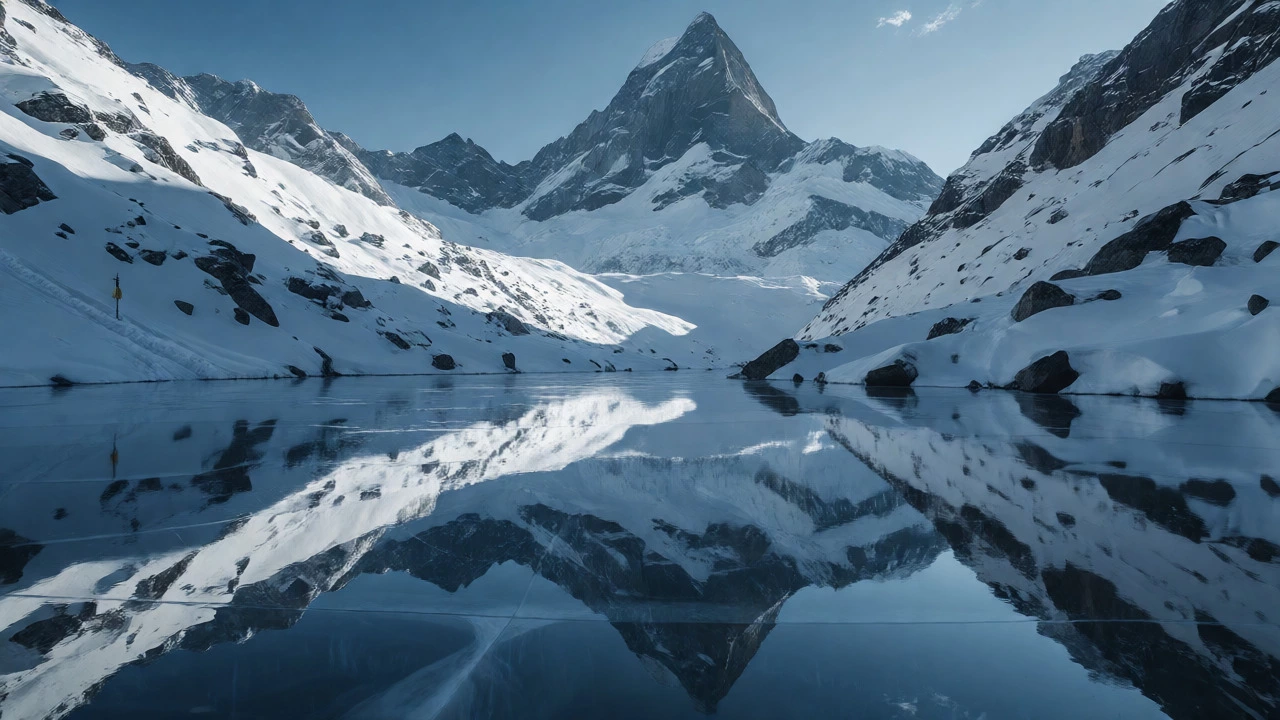
If visual reward is your primary motivator, Brahmatal in Uttarakhand offers panoramic views of Nanda Ghunti and Trishul peaks. This trek is slightly more demanding than Kheerganga but remains non-technical. The highlight is the lake itself, which freezes in winter and reflects the surrounding giants like a mirror.
What makes Brahmatal great for beginners is the gradual acclimatization. You don’t spike in altitude too quickly. The trail passes through villages where you can buy snacks and tea, reducing the weight you need to carry. It’s a classic example of high-reward, low-risk trekking. You get the feeling of being in the deep Himalayas without the isolation that scares off newbies.
How to Choose Based on Your Fitness Level
You don’t need to be an athlete, but you do need to prepare. Here’s a quick reality check on what each trek demands from your legs and lungs:
| Trek Name | Max Altitude | Difficulty | Best Season | Key Feature |
|---|---|---|---|---|
| Kedarkantha | 12,500 ft | Moderate | Dec-Apr (Snow) | Snow trails & pine forests |
| Kheerganga | 9,714 ft | Easy-Moderate | Mar-Jun, Sep-Nov | Natural hot springs |
| Brahmatal | 12,250 ft | Moderate | Dec-Feb (Snow) | Lake reflection views |
| Tungnath | 12,073 ft | Easy | May-Oct | High-altitude temple |
Notice the seasons. Trying Kedarkantha in July means dealing with leeches and slippery mud, which is miserable for a first-timer. Winter Kedarkantha is magical but requires proper thermal wear. If you hate cold, stick to Kheerganga or Tungnath in summer.
Essential Gear You Actually Need
Don’t go broke buying brand-new equipment. Renting locally in Manali or Rishikesh is cheaper and ensures you get gear suited to local conditions. However, three items are worth buying personally because hygiene and fit matter:
- Trekking Shoes: Do not wear running sneakers. They lack ankle support and grip. Buy waterproof shoes with good tread. Break them in before the trip by walking 5-10 km around your city.
- Thermal Base Layers: Cotton kills in the mountains. When you sweat, cotton stays wet and chills you. Wear synthetic or merino wool layers next to your skin.
- A Good Backpack Cover: Rain happens unexpectedly. A cheap poncho is better than nothing, but a rain cover for your bag saves your electronics and dry clothes.
For everything else-tents, sleeping bags, poles-rent them. Guides usually provide these. Ask for a -10°C rated sleeping bag if you’re going in winter. A standard camping bag will leave you shivering all night.
Common Mistakes Beginners Make
The biggest error isn’t physical; it’s psychological. People rush. They try to keep up with faster walkers and end up gasping for air within an hour. In high altitudes, slow is smooth, and smooth is fast. Adopt the "Pacer Method": walk at a speed where you can hold a conversation. If you can’t talk, you’re going too fast.
Another mistake is underestimating hydration. Dry mountain air dehydrates you quickly, leading to headaches that mimic Acute Mountain Sickness (AMS). Drink 3-4 liters of water daily. Add electrolyte powders to your bottle. If you feel dizzy or nauseous, tell your guide immediately. Don’t tough it out. AMS can escalate quickly if ignored.
Booking and Safety Tips
Should you book through a big agency or hire local guides? Agencies offer packaged safety and insurance, which provides peace of mind for first-timers. They handle permits, transport, and emergency evacuations. Local guides are cheaper and offer more authentic stories, but you must verify their experience. Check reviews specifically mentioning "beginner support." Did they help someone who struggled? Or did they leave them behind?
Always share your itinerary with family. Download offline maps of the region on your phone. Cell service is spotty in valleys like Parvati or remote campsites. Carry a power bank; charging points are scarce after the first day.
Do I need prior hiking experience for Kedarkantha?
No, prior experience isn't required, but a baseline fitness level is. You should be able to walk 6 km comfortably on flat ground. Doing squats and stair climbing for 2-3 weeks before the trek significantly improves your experience and reduces muscle soreness.
Is it safe to trek alone in India as a beginner?
It is safer to join a group or hire a certified guide. While routes like Kheerganga are crowded and safe, solo trekking in remote areas like Brahmatal increases risks regarding navigation and emergencies. Group treks also offer camaraderie, which helps mentally during tough ascents.
What is the cost of a beginner trek in India?
Expect to pay between ₹8,000 and ₹15,000 ($100-$180) for a 4-5 day package including accommodation, meals, and guides. Independent trekking costs less but requires arranging logistics yourself. Excludes travel to the base location.
Can I do these treks in monsoon season?
Generally, no. Monsoon (July-September) brings heavy rain, landslides, and leeches, especially in Uttarakhand and Himachal. Trails become slippery and visibility drops. Best times are pre-monsoon (April-June) or post-monsoon (October-November), plus winter for snow treks.
How do I prevent altitude sickness?
Acclimatize properly by ascending slowly. Stay hydrated, avoid alcohol, and eat light meals. If symptoms like severe headache or vomiting occur, descend immediately. Medications like Diamox may help but consult a doctor before use.