Trek Difficulty Estimator
Answer the questions below to see which Himalayan trek suits you best. This tool evaluates factors like altitude tolerance, comfort preference, and logistical complexity.
Your Profile
Awaiting Analysis
Fill out your profile on the left and click "Analyze My Suitability" to get personalized recommendations.
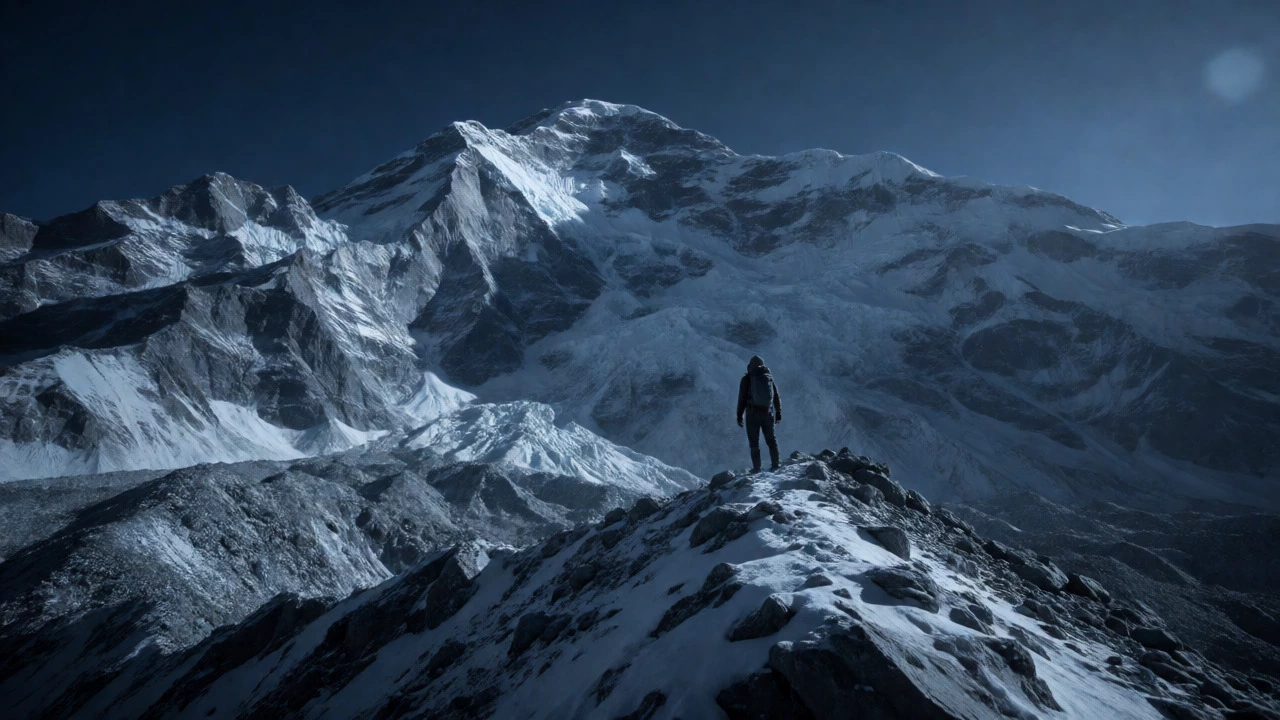
You’ve probably heard the saying that Everest is the ultimate test of human endurance. But ask a seasoned mountaineer who has actually walked the trails in the Eastern Himalayas, and they might give you a skeptical look. While Kanchenjunga is the third-highest mountain on Earth, standing at 8,586 meters, located on the border between Nepal and India, it isn’t just about height. The question isn't simply "which peak is taller?" It’s about which journey breaks you down faster. For many trekkers, the answer to "Is Kanchenjunga harder than Everest?" is a resounding yes, but not for the reasons you might think.
The reality is that difficulty is subjective. However, when we break down the logistics, the terrain, and the physiological toll, Kanchenjunga presents a unique set of hurdles that the standard Everest Base Camp (EBC) trek often smooths over with commercial infrastructure. If you are planning your next big adventure in Sikkim or Nepal, you need to understand exactly where the pain points lie before you pack your boots.
The Altitude Game: Acclimatization is King
Let’s get the obvious out of the way. Both mountains are massive. Mount Everest stands at 8,849 meters, while Kanchenjunga sits slightly lower at 8,586 meters. In terms of raw elevation, Everest wins by about 263 meters. Does that make it harder? Not necessarily. In high-altitude trekking, the rate of ascent matters more than the final summit number.
The classic Everest Base Camp trek follows a well-trodden path that allows for gradual acclimatization. You spend nights at specific elevations-Namche Bazaar, Dingboche, Lobuche-that have been optimized by decades of tourism. Your body gets used to the thin air step-by-step. Kanchenjunga, particularly the Kanchenjunga Base Camp Trek in Sikkim, India, often involves steeper gradients and fewer established rest stops in certain sections. This forces your body to adapt to lower oxygen levels faster than it prefers. Many trekkers report severe headaches and nausea earlier in the Kanchenjunga circuit because the trail doesn’t offer the same luxury of "easy" days as frequently as the Khumbu region does.
If you are prone to Acute Mountain Sickness (AMS), defined as a condition caused by rapid exposure to low amounts of oxygen at high altitudes, Kanchenjunga can be unforgiving. There are no helicopters waiting around every corner to airlift you out if you feel dizzy. On Everest, rescue services are robust. On Kanchenjunga, you are largely on your own until you descend back to civilization.
Infrastructure and Accessibility: Comfort vs. Wildness
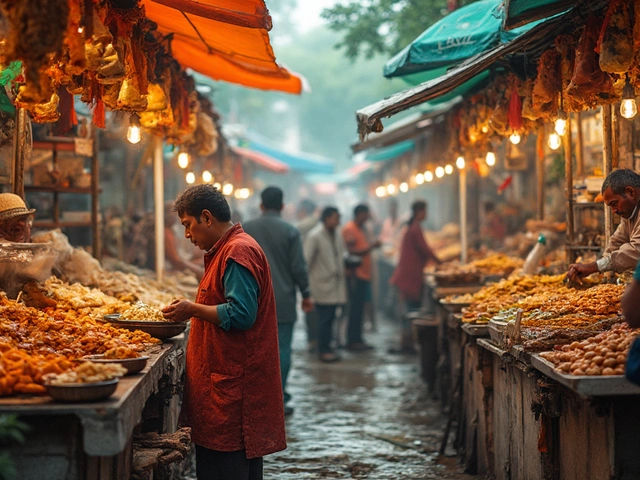
This is where the two experiences diverge sharply. The Everest region in Nepal is a tourism machine. You will find lodges with hot showers, Wi-Fi (for a fee), and even bakeries serving apple pie at 4,000 meters. Yes, it’s expensive, and yes, it’s crowded, but it provides a safety net. If your gear fails, you can buy replacements. If you get sick, there is a doctor in Namche Bazaar.
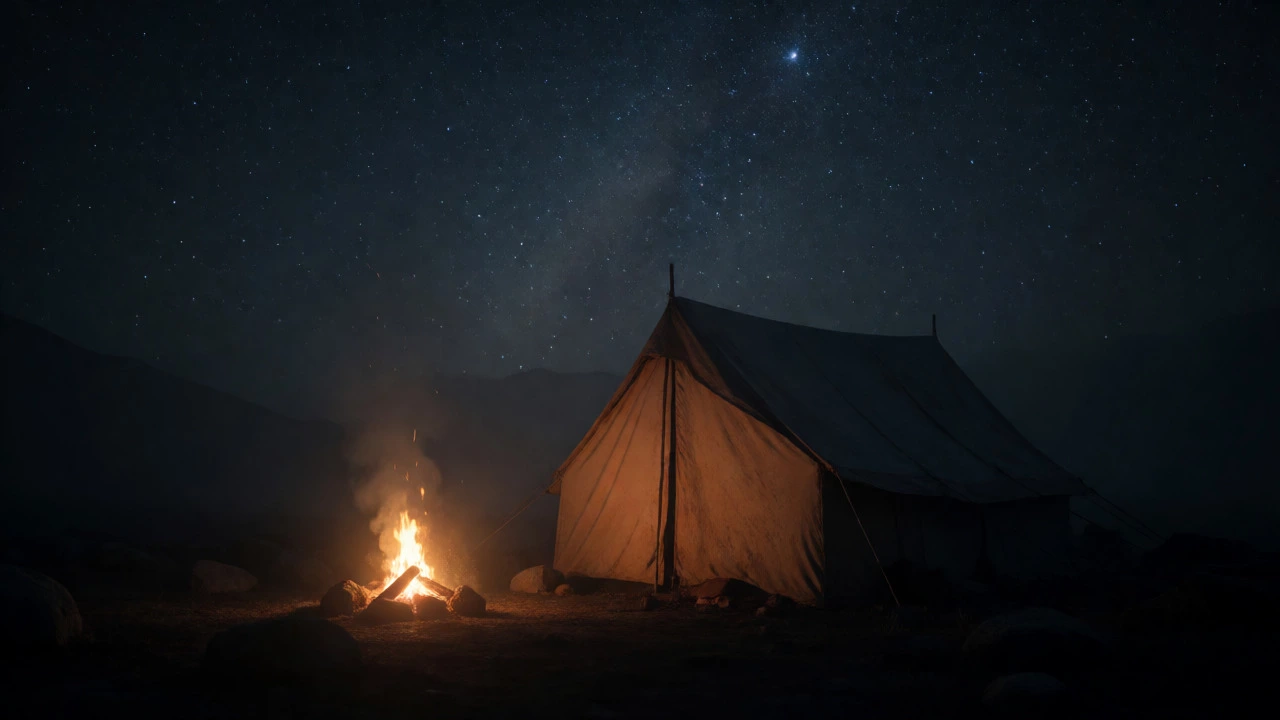
Kanchenjunga, especially the Indian side in Sikkim, is far more remote. The Khangchendzonga National Park is a UNESCO World Heritage Site with strict conservation rules. You cannot just walk into a village and find a hotel. Accommodation is often limited to basic campsites or simple homestays run by local communities. Hot water might mean boiling snow over a fire. Food is simple-dal bhat and rice-but don’t expect variety.
Why does this matter for difficulty? Because fatigue accumulates faster when you aren’t sleeping well. Poor sleep quality due to cold temperatures, hard ground, or noise from wildlife drains your energy reserves. When your body is tired, its ability to process oxygen decreases. So, while Kanchenjunga might technically be 263 meters shorter, the lack of comfort makes the physical exertion feel significantly heavier.
Terrain and Technical Challenges
Let’s talk about what your feet are doing. The Everest Base Camp trek is mostly hiking. It’s steep, yes, and rocky, but it rarely requires technical climbing skills unless you aim for the summit itself. Most people trek to Base Camp and turn around.
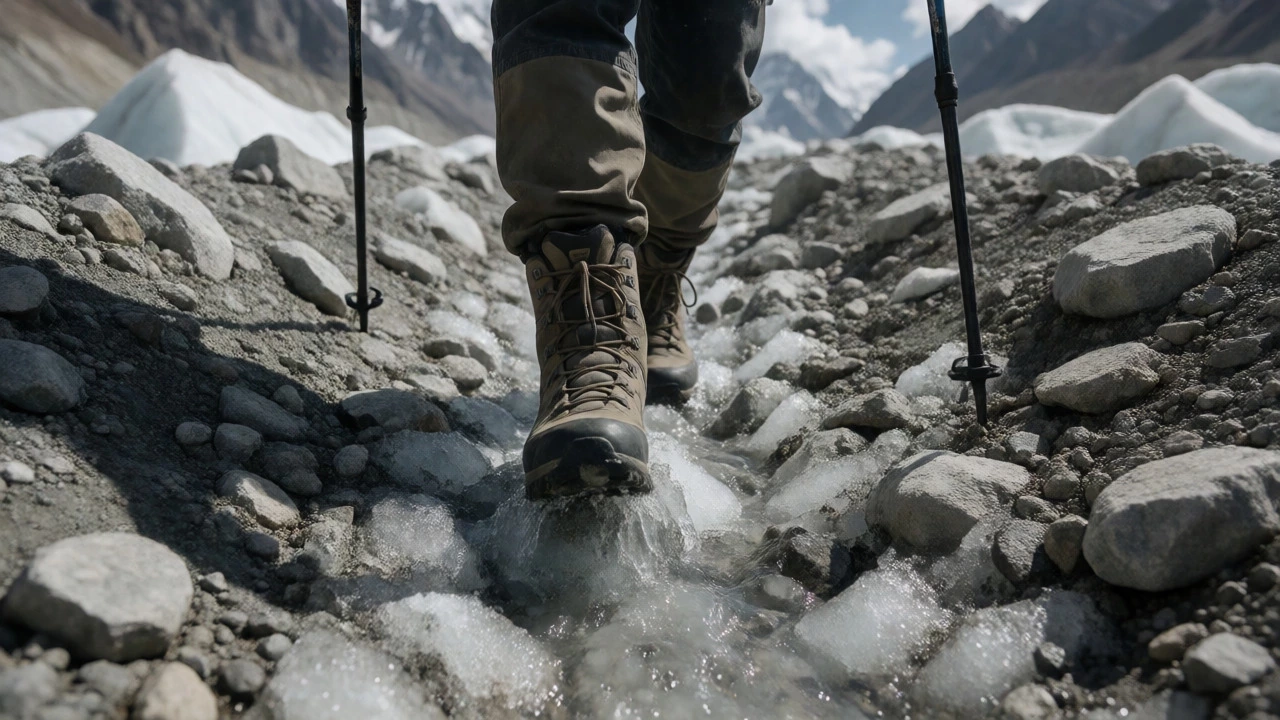
Kanchenjunga is different. The approach routes, particularly through the Lhonak Valley, involve glacial moraines and loose scree slopes. These are unstable surfaces that demand constant balance and concentration. One slip on a moraine field can result in a twisted ankle, which, at 5,000 meters, is a disaster. You also face more river crossings. Unlike the bridge-heavy trails of Everest, some streams in Kanchenjunga require wading through freezing glacial meltwater. Cold feet lead to numb toes, and numb toes increase the risk of frostbite.
Furthermore, weather patterns in the Kanchenjunga region are notoriously volatile. The mountain creates its own microclimate. Snowstorms can block passes unexpectedly, trapping trekkers for days. On Everest, while weather is unpredictable, the route is so busy that information flows quickly. On Kanchenjunga, you might be cut off from news of an incoming storm until it’s already hitting your tent.
Logistics and Permits: The Bureaucratic Hurdle
Planning the trip is half the battle. Getting permission to trek near Everest is straightforward. You buy a TIMS card and a permit, hire a guide, and go.
Kanchenjunga, particularly on the Indian side, requires special permits issued by the Ministry of Home Affairs and State Government of Sikkim. These are limited in number and must be arranged months in advance. You cannot simply show up at the gate. Additionally, solo trekking is often restricted or prohibited in these protected zones; you usually need a registered guide and porter team. This adds logistical complexity. If your guide cancels last minute, finding a replacement in remote Sikkim is nearly impossible. The stress of managing these restrictions adds a mental layer of difficulty that many underappreciate.
| Feature | Kanchenjunga (Sikkim/Nepal) | Everest Base Camp (Nepal) |
|---|---|---|
| Max Altitude | ~5,140m (Base Camp) | ~5,364m (Base Camp) |
| Crowds | Very Low / Remote | High / Commercialized |
| Accommodation | Basic Camps/Homestays | Lodges/Teahouses |
| Terrain | Moraines, Glaciers, Steep | Rocky Trails, Bridges |
| Rescue Access | Limited | Excellent (Helicopter) |
| Permit Difficulty | Complex, Limited Quotas | Straightforward |
Psychological Factors: Isolation and Fear
Have you ever felt truly alone? Not just quiet-alone, but isolated-alone. That is the psychological weight of Kanchenjunga. On Everest, you see other trekkers daily. You hear voices. You know help is nearby. This social presence boosts morale.
On Kanchenjunga, you might go hours without seeing another human being. The silence is profound, but it can also be oppressive. If you injure yourself, the realization that no one is coming immediately triggers anxiety. Panic consumes oxygen. When you panic at 5,000 meters, you breathe shallowly, worsening hypoxia. This feedback loop makes the trek feel harder physically because your mind is working overtime to stay calm.
Moreover, the cultural context differs. In Sikkim, the mountain is sacred to the Lepcha and Bhutia people. Climbing or even touching certain parts of the mountain is taboo. This spiritual reverence adds a layer of respect and caution that changes how you move and interact with the environment. You aren’t just conquering a hill; you are entering a temple. This mindfulness can slow you down, making the journey feel longer, but it also enriches the experience.
Who Should Choose Which?
So, is Kanchenjunga harder? For the average fit hiker, yes. The combination of remoteness, harsher terrain, and limited support systems creates a higher barrier to entry. It demands better preparation, stronger mental resilience, and a higher tolerance for discomfort.
Choose Everest Base Camp if you want a bucket-list achievement with safety nets, enjoy social interactions, and prefer predictable amenities. It is challenging, but manageable for beginners with good fitness.
Choose Kanchenjunga Trek if you seek solitude, are experienced with multi-day wilderness camping, and want an authentic, uncommercialized Himalayan experience. Be prepared for rough conditions and potential delays.
Ultimately, difficulty is personal. But if you value comfort and safety, Kanchenjunga will punish you. If you value wildness and isolation, Everest might feel too tame. Know your limits, train specifically for altitude and uneven terrain, and respect the mountain. It doesn’t care how much you paid for your gear.
Can beginners trek Kanchenjunga?
Generally, no. Kanchenjunga is recommended for intermediate to advanced trekkers. Beginners should start with easier peaks like Sandakphu or complete the Everest Base Camp trek first to gauge their altitude tolerance. The remote nature of Kanchenjunga means medical evacuation is difficult, making it risky for those new to high-altitude environments.
Which side of Kanchenjunga is easier, India or Nepal?
The Nepal side (Kanchenjunga Conservation Area) is generally considered slightly more accessible due to better-established teahouse networks compared to the Indian side (Sikkim). However, both sides require special permits and guided treks. The Indian side is stricter regarding environmental protection and often involves more camping rather than staying in lodges.
Do I need climbing gear for Kanchenjunga Base Camp?
For the base camp trek, you do not need technical climbing gear like ropes or ice axes. However, sturdy trekking poles are essential for stability on moraines and steep descents. Crampons may be required during winter or early spring if snow blocks the passes, but summer treks typically only require high-quality waterproof hiking boots.
How long does the Kanchenjunga trek take?
A full circuit of Kanchenjunga takes approximately 18 to 24 days, depending on the route and acclimatization needs. Shorter versions focusing only on North or South Base Camp can take 12-15 days. This is comparable to or longer than the Everest Base Camp trek (12-14 days), primarily due to slower travel speeds over rugged terrain.
Is it safe to trek Kanchenjunga alone?
Solo trekking is often restricted or strongly discouraged in Kanchenjunga regions due to safety concerns and conservation rules. Regulations in Sikkim and Nepal’s Kanchenjunga area typically mandate hiring a licensed guide and porter. This ensures you have local knowledge of weather changes, trail conditions, and emergency protocols.