Delhi Belly Risk Calculator
Answer these questions to assess your risk of traveler's diarrhea in India. This tool helps you identify areas where you can improve your food safety habits.
Water Safety Habits
Street Food Choices
Hygiene Practices
Your Risk Assessment
Traveling through India on a budget is one of the most rewarding experiences you can have. The spices, the street food, the chaotic energy of the markets - it’s all part of the magic. But if you’ve heard stories about Delhi belly, you’re not wrong. It’s real. And it’s not just about where you eat - it’s about how you eat.
What exactly is Delhi belly?
Delhi belly isn’t a medical diagnosis. It’s a catch-all term for traveler’s diarrhea - usually caused by bacteria like E. coli, Salmonella, or parasites like Giardia. You get it from contaminated food or water. In India, it’s common because hygiene standards vary wildly. A restaurant might look clean, but if the ice in your drink was made with tap water, or the chef washed vegetables in unfiltered water, you’re at risk.
It’s not just Delhi. You can get it anywhere - Mumbai, Jaipur, Varanasi, even small towns. The key isn’t avoiding India. It’s avoiding the mistakes most travelers make.
Drink like a local - but smarter
Locals don’t drink tap water. Neither should you. But you don’t need to spend $3 on every bottle. Here’s what works:
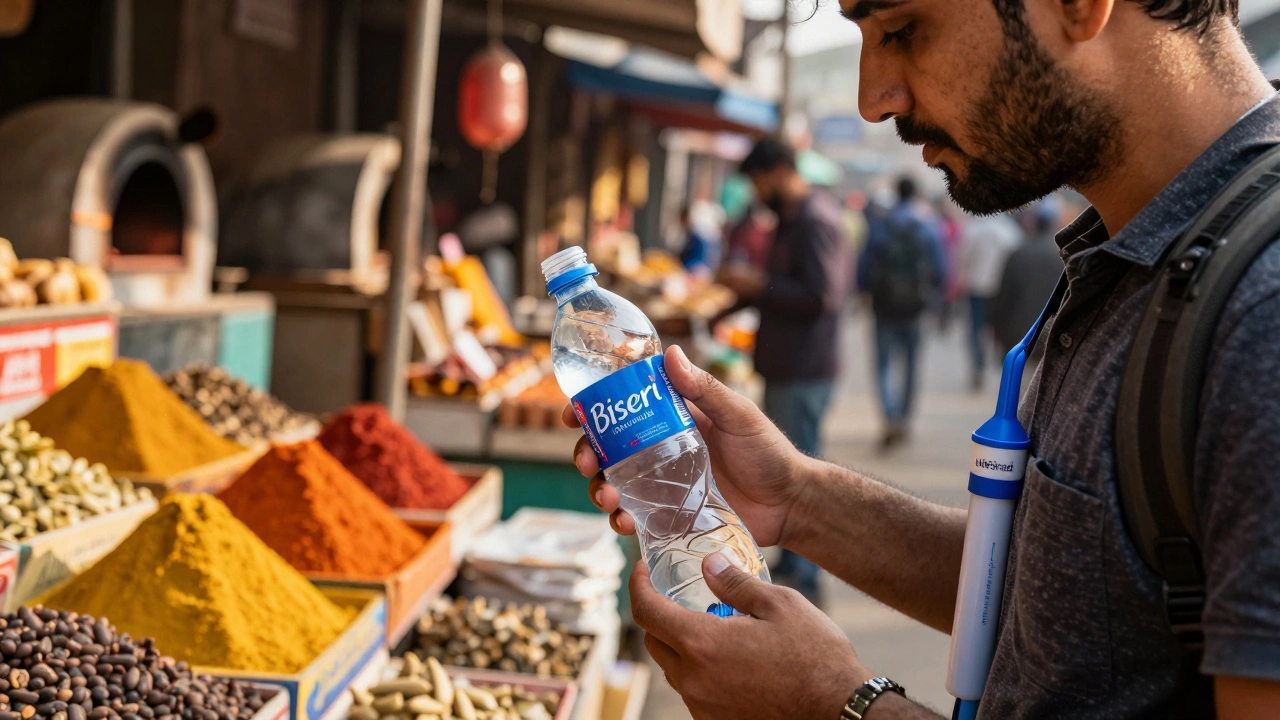
- Always buy sealed, branded bottled water. Look for Bisleri, Aquafina, or Kinley. If the cap is loose or the label looks tampered with, skip it.
- Use a portable water filter like a LifeStraw or Grayl. They remove bacteria and protozoa. A $40 filter lasts months and saves you hundreds on bottled water.
- Hot drinks are safe. Tea, chai, and coffee are boiled. Ask for no ice. If they say "ice is fine," ask them to show you where it comes from. If it’s from a bucket in the corner - walk away.
- Never use tap water to brush your teeth. Even if you’ve done it before and been fine, you’re playing Russian roulette with your gut.
Street food isn’t the enemy - bad habits are
Street food in India is where the best flavors live. But not all stalls are equal. Here’s how to pick the right ones:
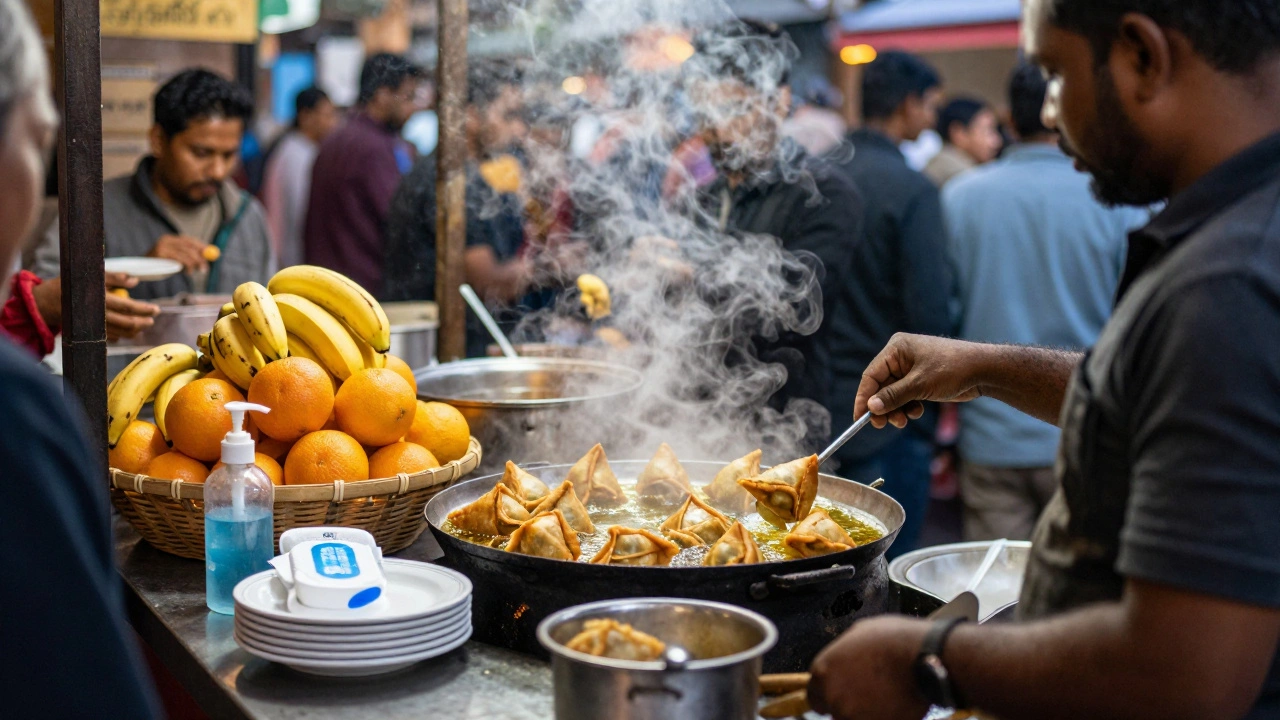
- Look for crowds. If locals are lining up, especially during lunch hours, that’s a good sign. Busy stalls have high turnover - food doesn’t sit around.
- Watch the oil. If the fryer looks dirty, or the oil is black and thick, skip it. Fresh oil is golden and clear.
- Order food that’s cooked fresh and served hot. Samosas, pakoras, tandoori chicken - all fine if they’re fried or grilled in front of you. Avoid anything sitting under a cloth for hours.
- Skip raw salads. Even if they look crisp, they were likely washed in unfiltered water. Stick to cooked veggies.
- Peel your own fruit. Bananas, oranges, mangoes - fine. But don’t let a vendor hand you a pre-cut pineapple. They might have used a dirty knife or washed it in tap water.
Hygiene habits that make a difference
You don’t need to be obsessive. But a few simple habits cut your risk in half:
- Carry hand sanitizer with at least 60% alcohol. Use it before eating, even if you’re using utensils. Many street vendors don’t wash their hands between handling money and food.
- Use wipes. Wet wipes are cheap and useful. Wipe down your plate, fork, or even the table if it looks grimy.
- Avoid ice in drinks. Even if it’s from a fancy hotel. Ice machines can harbor bacteria if not cleaned regularly.
- Don’t lick your fingers after eating. Sounds silly, but I’ve seen travelers do it - and then wonder why they got sick.
What to pack for peace of mind
Before you leave, throw these in your bag:
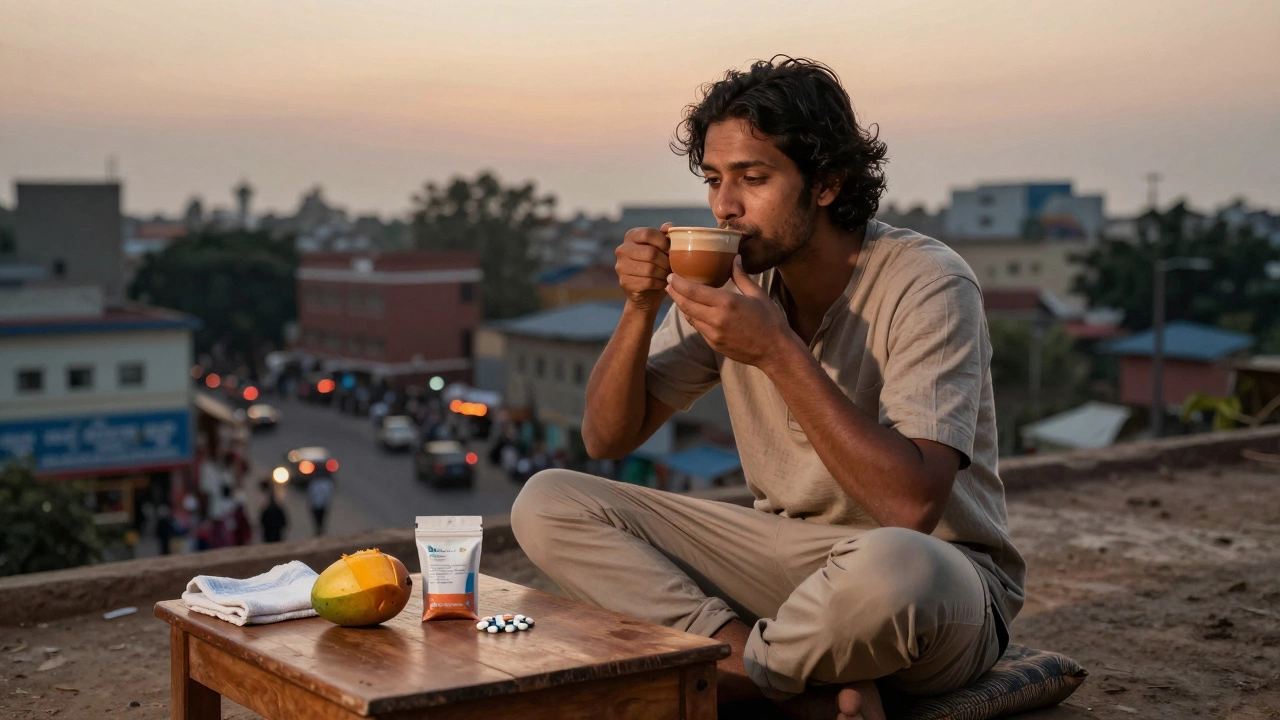
- Oral rehydration salts (ORS). They’re cheaper than buying electrolyte drinks and work faster. Dissolve one packet in a liter of bottled water if you start feeling off.
- Imodium (loperamide). It won’t cure the infection, but it’ll slow the diarrhea so you can get to a bathroom. Don’t use it if you have fever or blood in stool - that’s a sign of something worse.
- Antibiotics. Talk to your doctor before you go. Some travelers carry a single dose of azithromycin or ciprofloxacin as a backup. Use it only if symptoms are severe and you can’t get medical help within 24 hours.
- Probiotics. Some studies show daily probiotics (like Lactobacillus) can reduce traveler’s diarrhea by 30%. Start taking them a week before you leave.
What to do if you get sick
If you start feeling queasy, don’t panic. Most cases clear up in 2-3 days. Here’s what to do:
- Stay hydrated. Sip ORS or bottled water constantly. Dehydration is the real danger.
- Eat bland food. Rice, toast, boiled potatoes. Avoid dairy, spicy food, and fatty meals.
- Rest. Your body needs energy to fight the bug.
- See a doctor if: fever lasts more than 48 hours, you see blood in stool, or you can’t keep fluids down. Hospitals in major cities have good facilities - but pay in cash.
Most travelers recover without antibiotics. But if you’re on a tight schedule, a single dose of azithromycin can get you back on your feet in 12 hours.
Myth vs. Reality
Let’s clear up some myths:
- Myth: Only foreigners get Delhi belly.
Reality: Locals have strong gut bacteria from years of exposure. You don’t. - Myth: Avoid all street food.
Reality: The best meals in India are street-side. Just be smart. - Myth: Alcohol kills germs.
Reality: Beer or whiskey won’t save you. It dehydrates you and masks symptoms. - Myth: Spicy food causes it.
Reality: Spices don’t cause diarrhea. Contaminated water and poor handling do.
Final tip: Don’t stress - but be prepared
Delhi belly is scary, but it’s not deadly. Most people recover without a hospital visit. The key is preparation, not paranoia. You don’t need to eat only in five-star hotels. You just need to know what to avoid.
One traveler I met in Varanasi ate at 12 street stalls in one day. She didn’t get sick. Why? She watched how the food was handled, drank only bottled water, and carried hand sanitizer. She wasn’t lucky. She was smart.
India’s food is unforgettable. Don’t let fear rob you of it. Just learn the rules - and follow them.
Can I drink tap water in India if I boil it?
Yes, boiling water for at least one minute kills bacteria and viruses. But only if the water is clear. If it’s muddy or has sediment, boil it first, then filter it through a clean cloth or coffee filter before drinking. Boiling doesn’t remove heavy metals or chemical pollutants, so it’s not perfect - but it’s better than nothing if bottled water isn’t available.
Is it safe to eat fruit in India?
Only if you peel it yourself. Bananas, oranges, mangoes, and pomegranates are safe if you remove the skin. Avoid pre-cut fruit, fruit salads, or anything washed by someone else. Even if it looks fresh, it may have been rinsed in contaminated water. Stick to whole fruits you can peel.
Do probiotics really help prevent Delhi belly?
Yes, studies show regular probiotic use before and during travel can reduce the risk of traveler’s diarrhea by up to 30%. Look for strains like Lactobacillus rhamnosus GG or Saccharomyces boulardii. Start taking them 3-5 days before your trip and keep going while you’re in India. They won’t guarantee immunity, but they give your gut an edge.
Should I avoid dairy in India?
It’s risky. Many Indian dairy products are made with unpasteurized milk, especially in rural areas. Yogurt is usually safe because it’s fermented, but milk, cheese, and ice cream can carry bacteria. Stick to packaged brands like Amul, and avoid street-side lassi unless it’s freshly made and served hot.
What’s the best way to treat Delhi belly if I get it?
First, hydrate. Drink oral rehydration salts (ORS) or bottled water with a pinch of salt and sugar. Eat bland, easy-to-digest foods like rice, toast, or boiled potatoes. Avoid spicy, fatty, or dairy-heavy meals. Use Imodium only if needed - not to stop diarrhea completely, but to give you time to find a bathroom. If you have fever, blood in stool, or vomiting, see a doctor. Antibiotics like azithromycin can help, but only use them if symptoms are severe.