Traveler's Diarrhea Risk Calculator
Water Safety
Food Choices
Hygiene Practices
Risk Assessment
Your stomach upset risk assessment will appear here
Stomach upset prevention is possible when traveling in South India. Many visitors worry about getting sick from food or water, but with simple steps, you can avoid most issues. The key is understanding what causes stomach problems and how to stay safe.
In South India, traveler's diarrhea is a common concern. According to a 2025 study by the Indian Council of Medical Research, over 60% of cases were linked to contaminated water or improperly handled street food.
Safe Water Practices
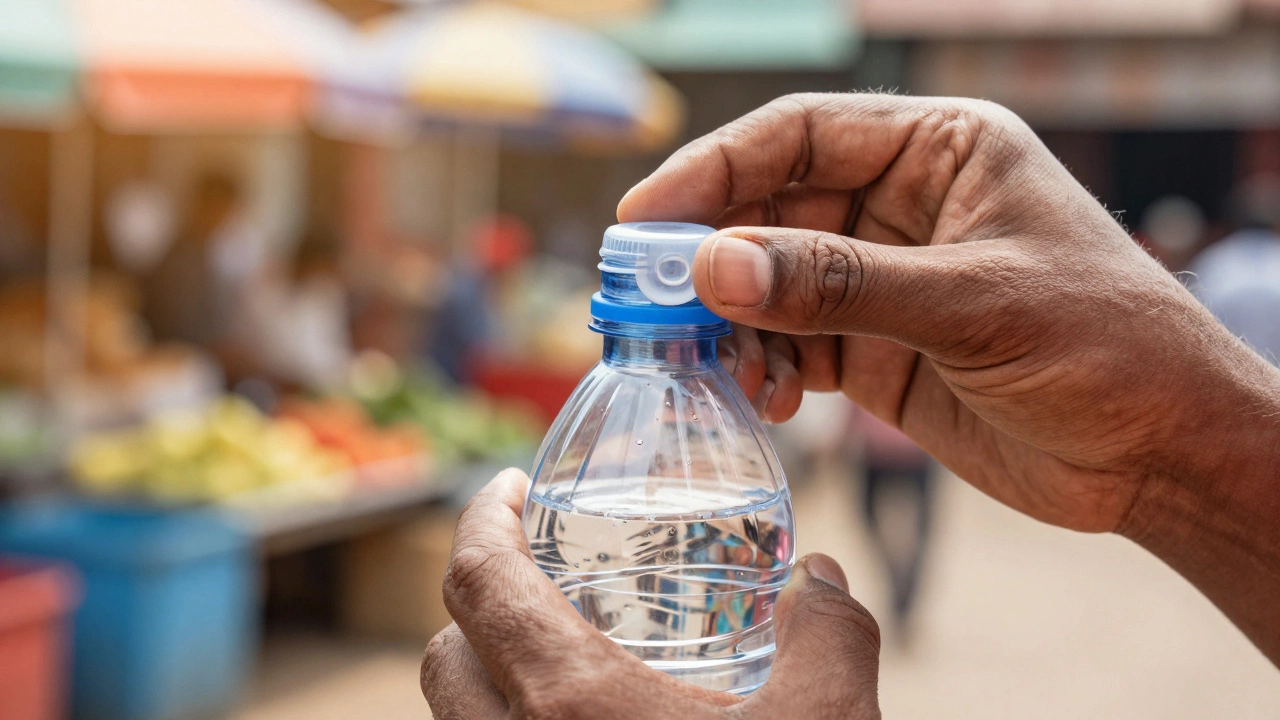
Drinking water is the biggest risk factor for stomach upset in South India. Tap water isn't safe, even in cities like Chennai or Bangalore. Always opt for sealed bottled water from trusted brands like Bisleri or Kinley. Before buying, check that the cap seal is intact. If you're unsure about the bottle's safety, boil water for at least one minute or use water purification tablets.
Avoid ice cubes unless you know they're made from purified water. Many hotels and restaurants use safe ice, but street vendors might not. When ordering drinks, ask for no ice if you're unsure. Also, avoid using tap water to brush your teeth. Stick to bottled water for oral hygiene too.
Food Safety Tips
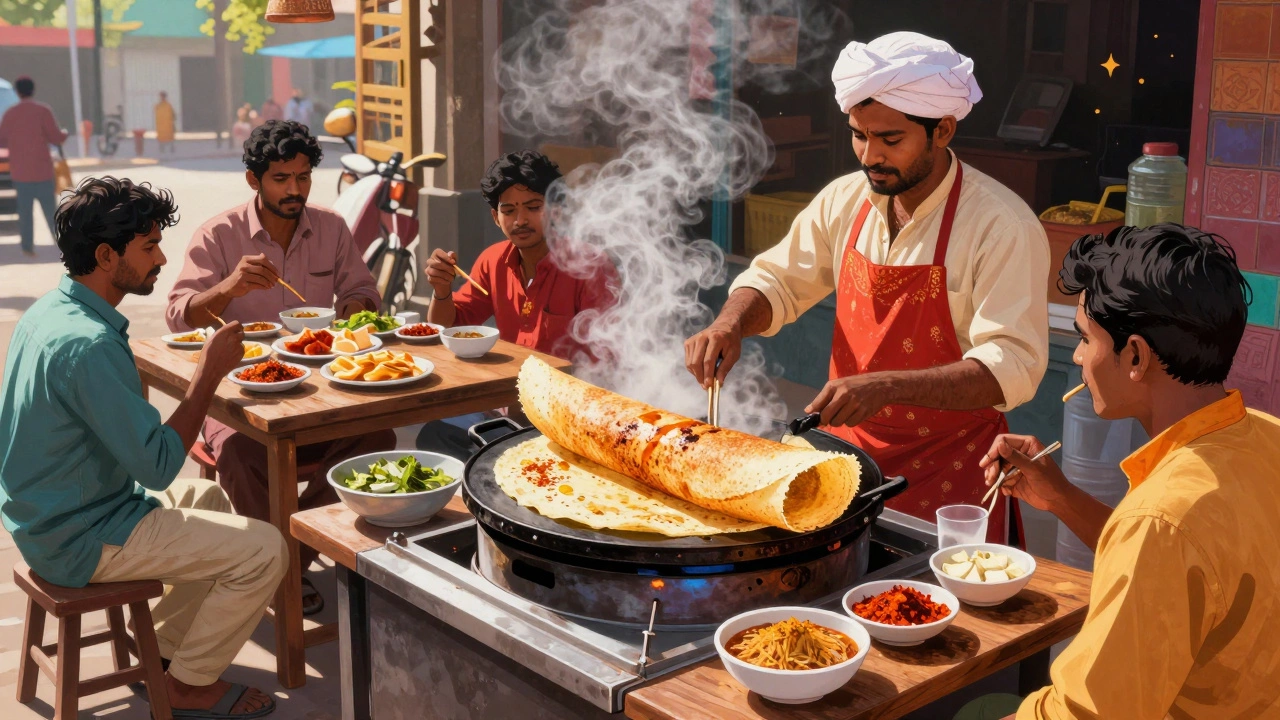
Street food in South India is delicious but requires caution. Choose vendors where food is cooked fresh and served hot. Look for places with lots of locals eating - high turnover usually means fresh food. Avoid pre-cut fruits or salads, as they may have been washed in unsafe water. Dosa and idli are generally safe because they're cooked thoroughly. But be careful with samosas or vada that might have been sitting in oil for hours.
When eating at restaurants, make sure food is cooked to order. Avoid raw vegetables like onions or cucumbers unless they're peeled and washed in safe water. Seafood can be risky in coastal areas like Kerala - only eat it from reputable places where it's freshly caught and properly cooked. Remember, if it looks or smells off, skip it.
Hygiene Habits
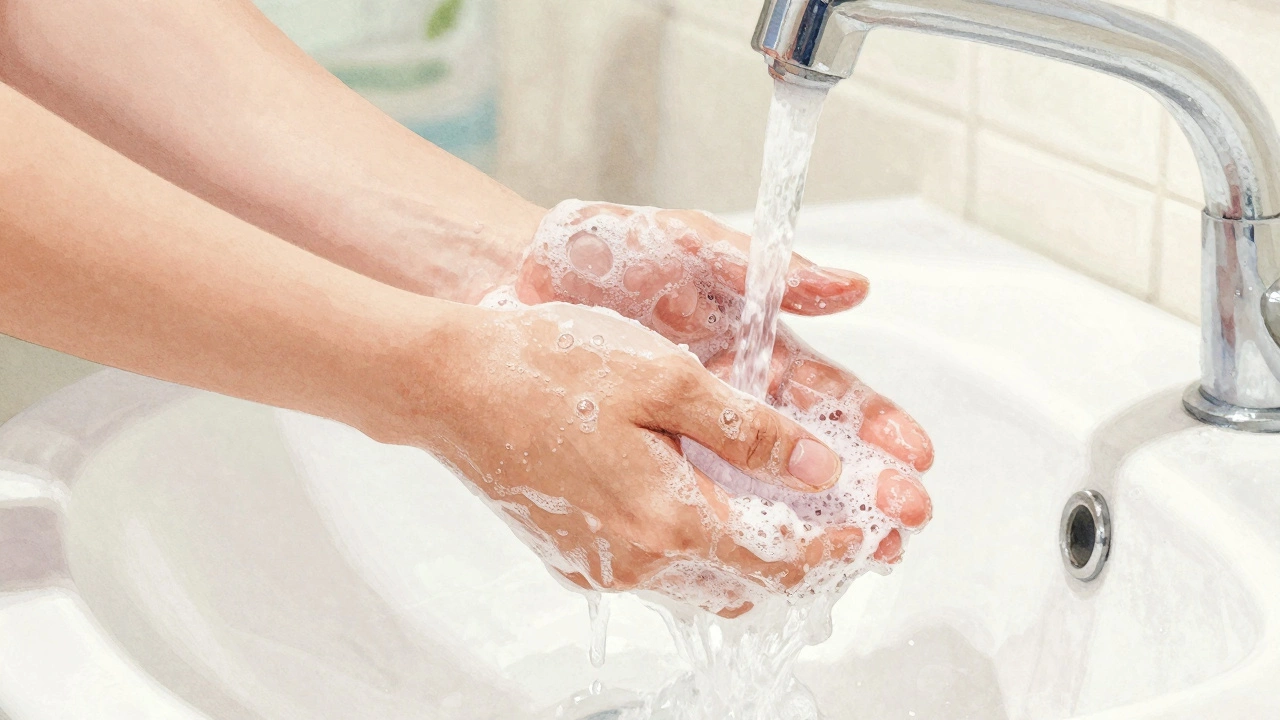
Handwashing is crucial. Wash your hands with soap and clean water before eating or handling food. If soap isn't available, use alcohol-based hand sanitizer with at least 60% alcohol. Avoid touching your face, especially your mouth and eyes, with unwashed hands. Many stomach bugs spread through hand-to-mouth contact.
Also, be careful with shared utensils or condiments. Some restaurants reuse containers for sauces or dips. If you're unsure, ask for individual portions. Use your own utensils when possible. And never share food or drinks from others' plates - even if they're locals.
Medications to Carry
Pack these essentials before your trip:
- Oral Rehydration Salts (ORS) are essential for replacing lost fluids and electrolytes. They come in powder form and dissolve in water. The World Health Organization recommends ORS for mild to moderate dehydration from diarrhea.
- Loperamide (Imodium) slows bowel movements. Avoid this if you have fever or bloody stools. Not for children under two.
- Bismuth subsalicylate (Pepto-Bismol) reduces diarrhea and nausea. Don't use long-term or if you're allergic to aspirin.
- Probiotics like Lactobacillus rhamnosus GG help prevent traveler's diarrhea. Studies show they reduce risk by up to 20%.
| Medication | Use Case | Precautions |
|---|---|---|
| Oral Rehydration Salts (ORS) | Replaces lost fluids and electrolytes | Safe for all ages; use for mild to moderate dehydration |
| Loperamide (Imodium) | Slows down bowel movements | Avoid if fever or bloody stool; not for children under 2 |
| Bismuth subsalicylate (Pepto-Bismol) | Reduces diarrhea and nausea | Not for long-term use; avoid if allergic to aspirin |
What to Do If You Get Sick
If you develop stomach upset, stay hydrated. Drink plenty of ORS solution or bottled water. Avoid caffeine and alcohol, which can worsen dehydration. Eat bland foods like rice, bananas, or toast if you can keep them down. Rest is important - don't push yourself to sightsee.
Seek medical help if you have a fever higher than 101°F, bloody stools, or symptoms lasting more than 48 hours. In South India, hospitals in major cities like Chennai or Bangalore have good facilities for traveler's diarrhea. Don't hesitate to visit a clinic if you're unsure. Many local pharmacies sell ORS and other treatments without a prescription.
Can I drink tap water in South India?
No. Tap water in South India isn't safe for drinking. Always use sealed bottled water from trusted brands like Bisleri or Kinley. Check the seal before buying, and avoid ice cubes unless you know they're made from purified water.
Is it safe to eat raw fruits in South India?
Only eat raw fruits you can peel yourself, like bananas or oranges. Avoid pre-cut fruits or salads, as they may have been washed in unsafe water. Always wash fruits with bottled water before eating, even if you plan to peel them.
What medications should I carry for stomach upset?
Pack Oral Rehydration Salts (ORS), loperamide (Imodium) for short-term use, and bismuth subsalicylate (Pepto-Bismol). Probiotics can also help prevent issues. Never take antibiotics without a doctor's prescription.
How long does traveler's diarrhea usually last?
Most cases resolve within 24 to 48 hours with proper hydration and rest. If symptoms last longer than 48 hours or include fever or bloody stools, seek medical attention immediately.
Can probiotics help prevent stomach upset in South India?
Yes. Studies show certain probiotics, like Lactobacillus rhamnosus GG, reduce the risk of traveler's diarrhea by up to 20%. Take them daily starting a week before your trip and continue during travel.