India Travel Cost Calculator 2026
Customize Your Trip
Input your travel preferences to get an accurate budget estimate
Five years ago, India was the go-to destination for budget travelers. A week-long trip could cost less than $200 - meals under $2, hostels for $5 a night, and train rides that felt like a steal. But things have changed. Is India still cheap to travel? The short answer: yes, but not like it used to be. And that’s not necessarily a bad thing.
What’s Changed Since 2020?
India’s economy didn’t collapse - it grew. Inflation hit hard between 2021 and 2024, especially in cities. A plate of dal-chawal that cost ₹80 in 2020 now runs ₹150 in Delhi or Mumbai. A basic hotel room that used to be ₹400/night is now ₹1,200. That doesn’t mean you can’t travel cheap - it means you need to adjust your expectations.
Here’s the real shift: India is no longer the cheapest country in South Asia. Nepal and Bangladesh now beat it on pure affordability. But India still wins on variety. You can sleep in a cave temple in Maharashtra, ride a camel in Rajasthan, or take a 30-hour train across the country - all while spending less than you would in Thailand or Vietnam.
How Much Does It Actually Cost Now?
Let’s break down a realistic 10-day budget trip in 2026, based on real traveler logs from Rajasthan, Kerala, and Madhya Pradesh.
- Accommodation: ₹600-₹1,500/night for clean guesthouses (₹2,500+ for air-conditioned rooms). Hostels? ₹300-₹500 if you’re okay with shared bathrooms.
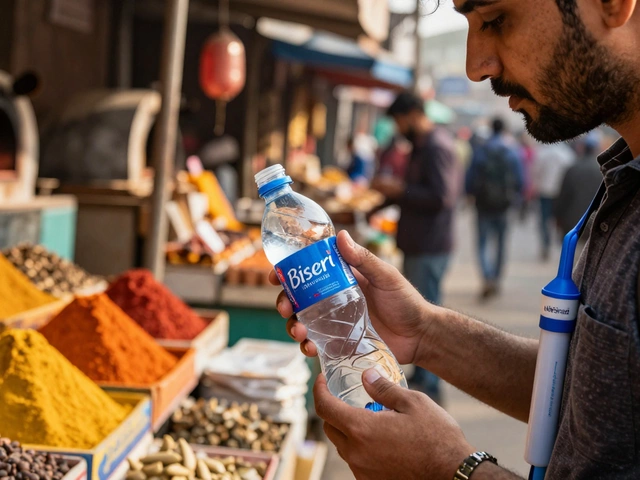
- Food: Street food: ₹80-₹150 per meal. Local restaurants: ₹200-₹400. A beer? ₹180-₹300. No, that’s not a typo - alcohol taxes hit hard.
- Transport: Overnight trains: ₹600-₹1,200 for a sleeper class ticket. Local buses: ₹50-₹150 per ride. Auto-rickshaws? ₹100-₹300 depending on the city. Uber/Ola? Still cheaper than taxis in most places.
- Attractions: Entry fees to temples and monuments? ₹50-₹400. Most sites now charge ₹1,000 for foreign tourists - a jump from ₹200 in 2020. But many smaller sites still don’t charge foreigners at all.
- Extras: SIM cards with 10GB data? ₹120. A decent pair of cotton shorts? ₹400. A guided temple tour? ₹800-₹1,500.
That adds up to roughly ₹15,000-₹25,000 ($180-$300) for 10 days. That’s not dirt cheap anymore - but it’s still half the price of a similar trip in Indonesia or Portugal.
Where Is It Still Cheap? (And Where Is It Not?)
Not all of India costs the same. Some places have become tourist traps. Others haven’t changed a bit.
- Cheap still: Madhya Pradesh (Khajuraho, Orchha), Bihar (Vaishali, Sarnath), Odisha (Puri, Konark), rural Rajasthan (Jaisalmer backstreets), and parts of Andhra Pradesh.
- Getting pricey: Goa (especially North Goa), Udaipur, Jaipur city center, and most beach resorts in Kerala. These places now have Airbnb rentals priced like Bali.
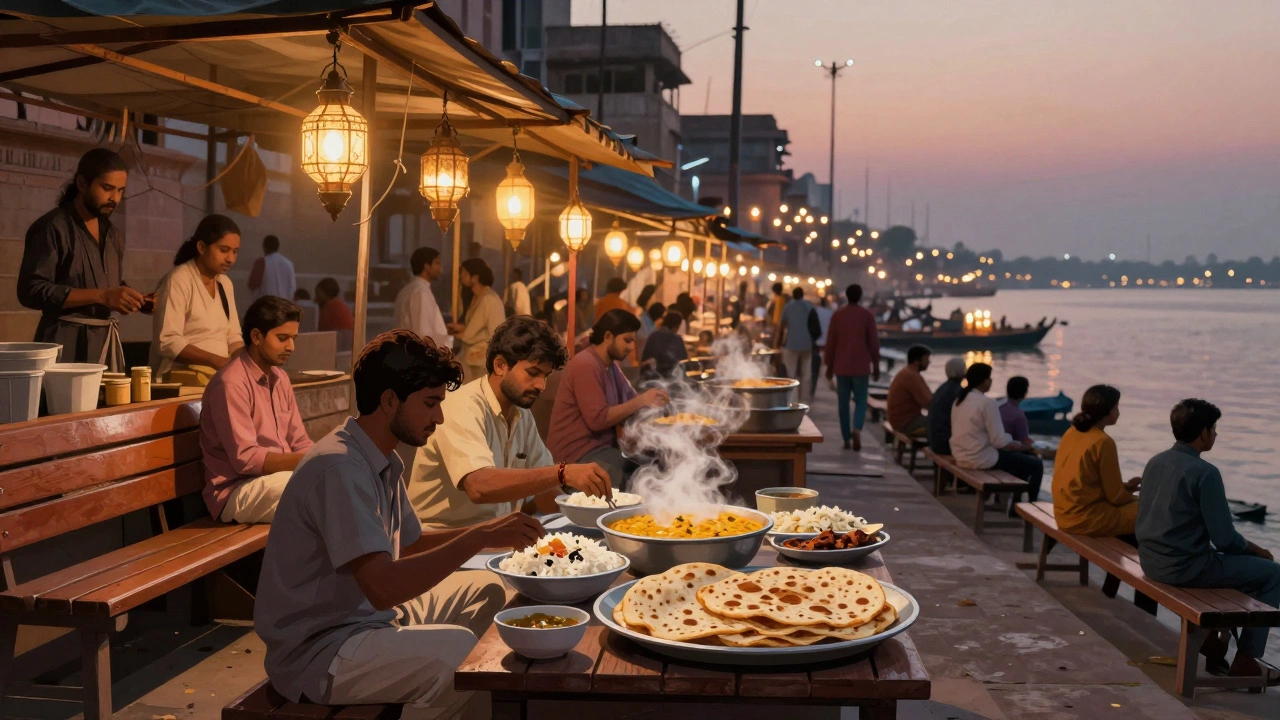
- Surprisingly affordable: Varanasi. Yes, even with the ghats packed with tourists, a basic room with a view of the Ganges still costs ₹800. A boat ride? ₹200. A vegetarian thali? ₹100.
Pro tip: Skip the branded hotels. Stay in family-run guesthouses. They don’t have Wi-Fi? Fine. They have hot water? Usually. They serve homemade dal? Always. And they’ll charge you ₹500 instead of ₹2,500.
Is Backpacking Still Possible?
Yes - but you need to be smart.
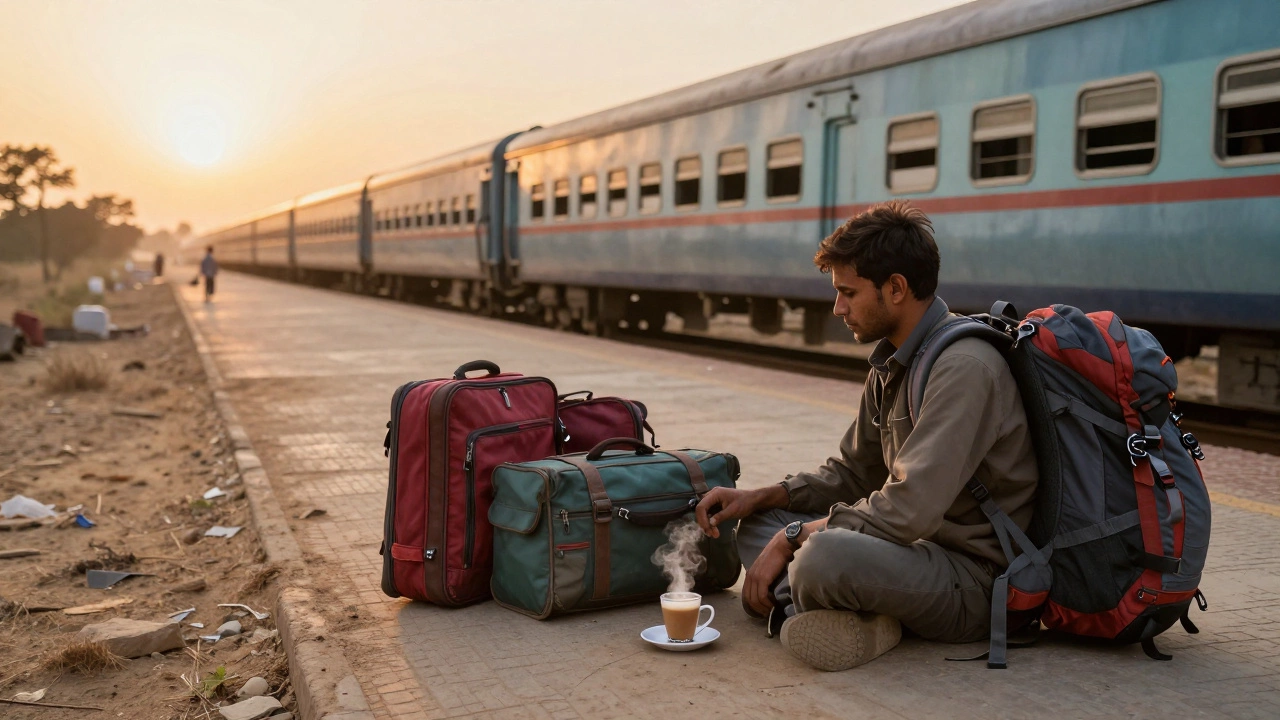
Backpackers in 2026 don’t sleep on train platforms anymore. That’s gone. But you can still do a 30-day trip on ₹15,000 ($180) if you:
- Travel slow - stay in one place for 4-5 days instead of hopping cities daily.
- Eat local - skip restaurants with English menus. Find the place where truck drivers eat.
- Use overnight trains - saves on accommodation and gives you a free night.
- Avoid peak season - April to June is brutal. October to February is ideal.
- Carry cash - many small towns don’t take cards. Even if they say they do, the machine is broken.
One traveler I met in Varanasi did 45 days on ₹12,000. He ate street food, hitchhiked on trucks, and slept in free temple dorms. He wasn’t broke - he was just careful.
What About Tourist Traps?
Some places have turned into money pits. Jaipur’s City Palace? ₹1,200 entry for foreigners. Pushkar’s camel safari? ₹1,500 for 20 minutes. A “traditional” Ayurvedic massage in Kerala? ₹2,500 - even though locals pay ₹500.
These aren’t scams - they’re pricing strategies. India’s tourism board wants to attract higher-spending visitors. That means budget travelers get squeezed. But here’s the fix: don’t buy the package. Walk in. Ask for the local price. Most guides will drop the rate if you say you’re a backpacker.
And if they won’t? Walk away. There’s always another temple, another lake, another chai stall.
Is It Worth It?
India isn’t cheap like it was in 2015. But it’s still one of the most affordable places on Earth with this much culture, history, and flavor.
You can visit 10 states in a month and spend less than you’d pay for a weekend in Sydney. You can eat five different kinds of curries for under $3. You can ride a train through mountains, deserts, and rice fields - all for the price of a movie ticket.
It’s not the cheapest anymore. But it’s still one of the best values. If you go in with the mindset that you’re paying for experience - not just a price tag - you’ll still leave with more memories than money spent.
Final Tip: Don’t Compare India to Thailand
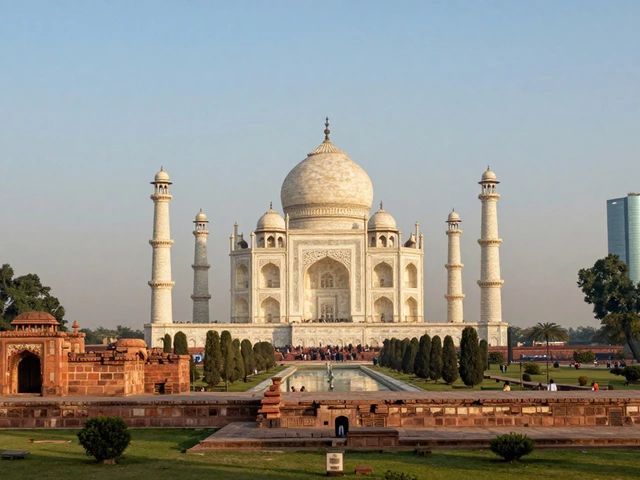
People say, “Thailand is cheaper.” Maybe. But Thailand doesn’t have the Taj Mahal. It doesn’t have the Himalayas. It doesn’t have 5,000 years of history in every alley.
India’s value isn’t in how little you spend. It’s in how much you get.