Monsoon Season Calculator
Find Your Monsoon Season
Select your Indian region to see when monsoon season hits and what to expect
Select a region to see monsoon details
No results yet - choose your region above
If you're planning a budget trip to India, knowing when the rainy season hits isn't just about packing an umbrella-it can save you money, avoid travel chaos, and even unlock hidden experiences. The monsoon isn't one big storm that rolls over the whole country. It arrives in stages, moves differently across regions, and changes everything from train tickets to street food prices. Knowing the exact months helps you plan smarter, not harder.
When Does the Rainy Season Start in India?
The monsoon doesn't drop in on June 1st like a scheduled flight. It begins slowly, creeping up from the south. By early June, the southern tip of Kerala gets soaked first. This is where the southwest monsoon makes landfall, usually between June 1 and June 5. From there, it moves northward, reaching Mumbai and Goa by mid-June, Delhi by late June, and finally the Himalayan foothills by early July. If you're traveling on a tight budget, this timing matters because prices for hostels, buses, and local tours spike right after the rains start. Booking early or waiting until late June can cut costs by 30% or more.
Peak Rainy Months: July and August
July and August are the heart of the monsoon. These are the months when most of India gets its heaviest rainfall. In places like Assam, Meghalaya, and the Western Ghats, daily rainfall can exceed 200 mm. In cities like Mumbai, you might see 300 mm in a single day. This isn't just drizzle-it’s flooding, delayed trains, and landslides. But here’s the twist: this is also when budget travelers find the best deals. Hotels in Goa drop rates by half. Small guesthouses in Kerala offer 50% off to fill rooms. Even overnight trains on the Konkan route become cheaper because fewer tourists show up.
That said, some places become nearly impossible to reach. The roads to Ladakh shut down. Trekking trails in Uttarakhand turn into mudslides. If you're trying to visit hill stations like Munnar or Ooty, expect long delays and canceled tours. But if you're okay with staying in cities or coastal areas, this is when you’ll find locals who are happy to show you around-because they’re not busy with tourists anymore.
September: The Transition
By September, the rain starts to ease up, especially in northern and central India. Delhi sees fewer downpours, and the humidity drops. Southern states like Tamil Nadu and Andhra Pradesh still get heavy rain, but it’s more predictable. This is actually the sweet spot for budget travelers. You get fewer crowds, lower prices, and still enough dry hours to explore. In places like Pondicherry or Hampi, the streets are cleaner, the markets are less packed, and street vendors are more relaxed. You’ll find better deals on local guides, auto-rickshaw rides, and even temple entry fees.
One big advantage of September: the rivers are full. If you want to go rafting in Rishikesh or take a boat ride in Kerala’s backwaters, this is the best time. The water is high, the scenery is lush, and prices haven’t jumped back up yet. Plus, the monsoon-fed waterfalls-like Jog Falls in Karnataka-are at their most powerful.
Regional Differences Matter
Not all of India rains at the same time. The monsoon doesn’t treat every state the same. Here’s how it breaks down:
| Region | Start of Rain | Peak Rainfall | End of Monsoon |
|---|---|---|---|
| South India (Kerala, Tamil Nadu) | Early June | July-August | Early October |
| West India (Maharashtra, Goa) | Mid-June | July | September |
| North India (Delhi, Rajasthan) | Late June | July-August | Early September |
| East India (Bengal, Odisha) | June | July-August | September |
| Northeast (Assam, Meghalaya) | May | June-August | October |
| Himalayan Region (Himachal, Uttarakhand) | July | July-August | September |
If you're on a budget, avoid planning trips to the Northeast in July. The roads are washed out, and flights get canceled daily. But if you're flexible, head to the coast instead. The beaches of Andhra Pradesh and Odisha are quiet, cheap, and surprisingly beautiful under the rain. You might even find a private bungalow for ₹800 a night.
What to Pack for Monsoon Travel
You don’t need a full outdoor gear store. Just focus on practical, lightweight items:
- Quick-dry clothes-synthetic fabrics like polyester or nylon. Cotton takes forever to dry and gets heavy.
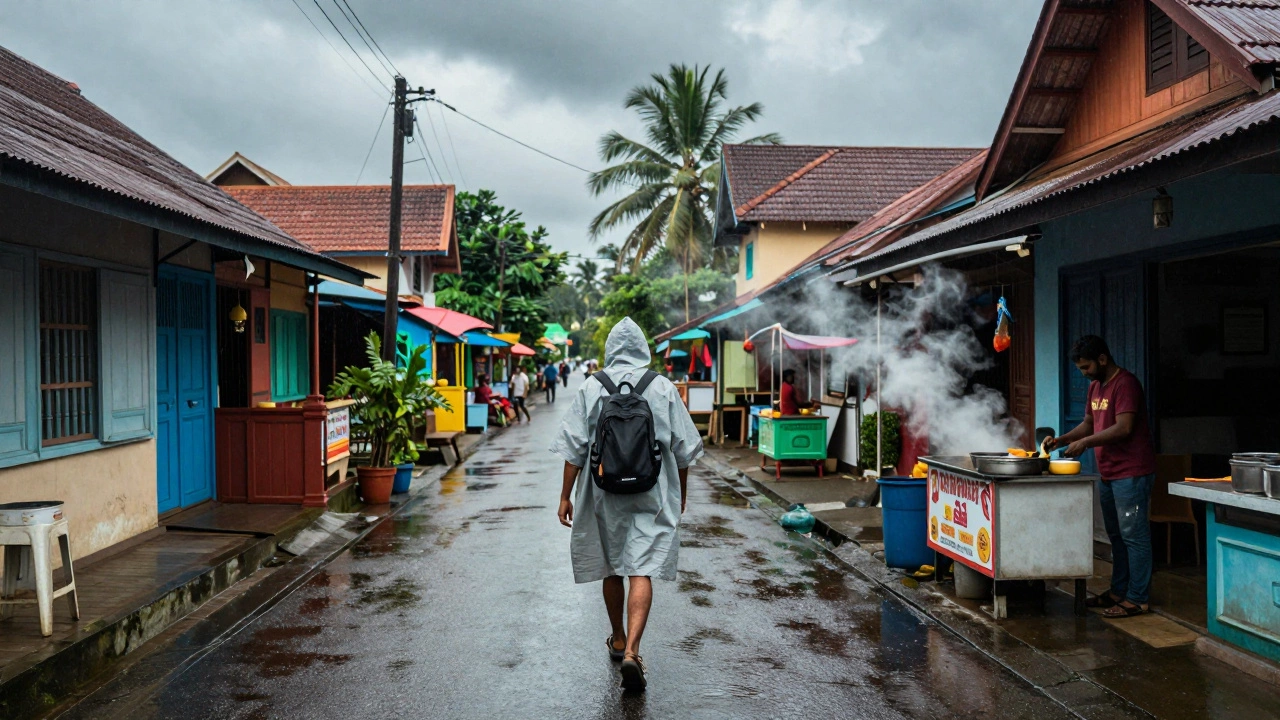
- A foldable rain poncho-not an umbrella. They’re useless in strong winds and take up space.
- Waterproof phone case-you’ll use your phone for maps, rides, and payments. A simple one costs ₹200.
- Slip-resistant sandals-no flip-flops. Wet cobblestones and muddy paths are slippery.
- Small ziplock bags-for keeping your passport, charger, and snacks dry.
Forget heavy backpacks. A 20L daypack with a rain cover is enough. Most budget travelers in India don’t carry more than two changes of clothes. Laundry is cheap-₹30 per load-and often done the same day.
Why the Rainy Season Can Be Better for Budget Travelers
Most guidebooks warn you to avoid monsoon season. But that’s because they’re written for luxury travelers. For those on a budget, it’s often the opposite. Here’s why:
- Accommodation prices drop-hostels in Goa, Jaipur, and Mysore cut rates by 40-60% in July.
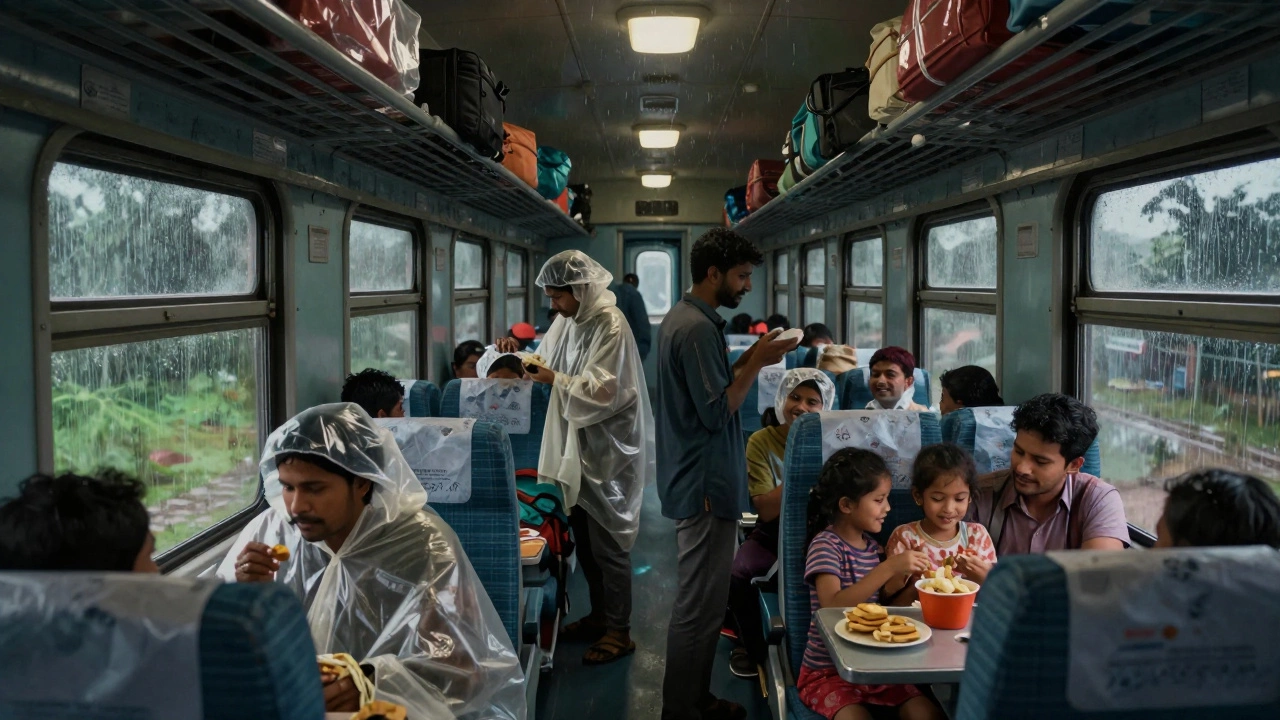
- Transport is cheaper-train tickets on non-tourist routes (like the Konkan line) are often half-price.
- Local experiences open up-village homestays in Kerala and Tamil Nadu welcome guests because they have no other tourists.
- Food is fresher-markets are full of seasonal fruits like jackfruit, mangoes, and papayas, all at rock-bottom prices.
- No crowds-you can walk into temples like Meenakshi in Madurai or the Ajanta Caves without waiting in line.
One traveler I met in Pondicherry in August was from Poland. He’d been in India for three months, mostly during monsoon. "I’ve spent less than $300 this month," he told me. "I didn’t know it was this cheap. I thought I’d have to leave. Now I’m staying until October."
What to Avoid During Monsoon
There are risks. Don’t:
- Try to trek in the Himalayas between July and August. Landslides are common.
- Reliance on outdoor activities like wildlife safaris in Rajasthan. The parks close or reduce hours.
- Travel to remote villages without checking road conditions. Some areas are cut off for days.
- Expect perfect weather photos. The light is flat, skies are gray, and humidity ruins camera lenses.
But here’s the key: most of India’s major cities and tourist hubs stay open. You just need to adjust your expectations. A rainy day in Agra doesn’t mean you can’t see the Taj Mahal-it just means you’ll have it almost to yourself.
Final Tip: Travel Like a Local
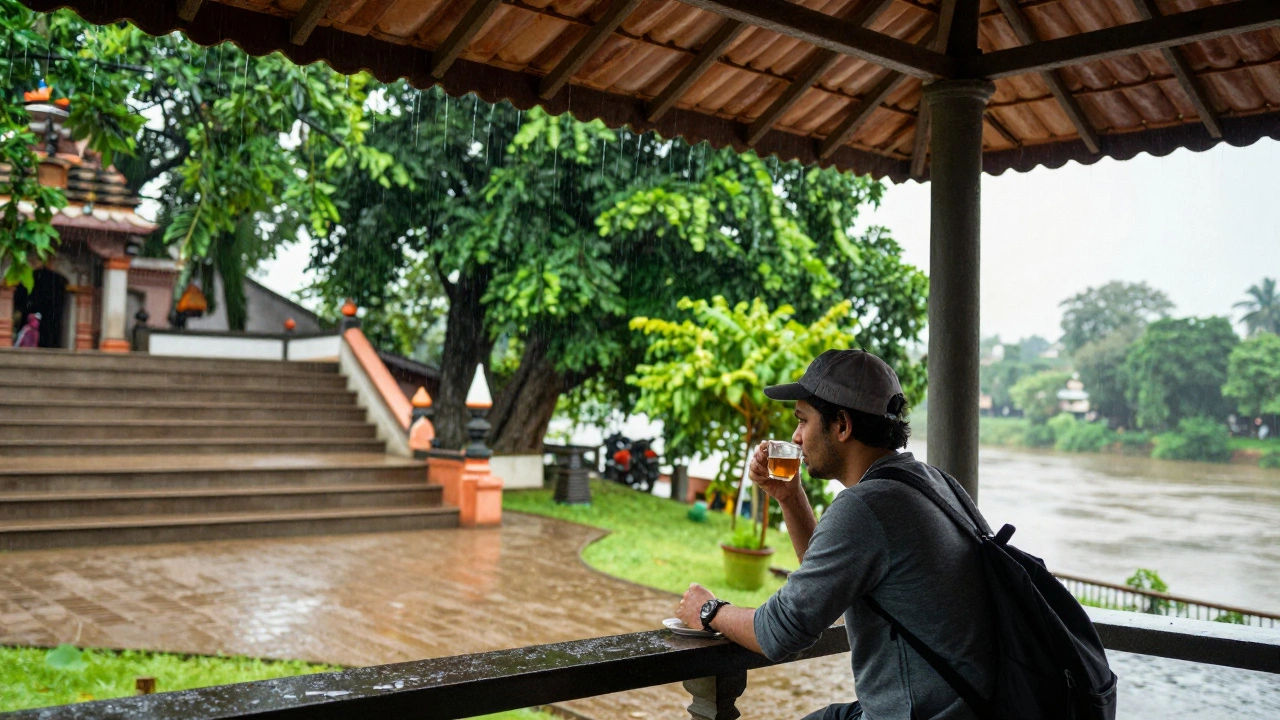
Indians don’t panic when it rains. They wait it out. They sip chai under awnings. They move slower. If you do the same, you’ll find the monsoon isn’t a barrier-it’s a rhythm. Train delays? Use the time to chat with fellow travelers. Road closures? Try a local bus. Rainy season in India isn’t something to escape. It’s something to adapt to. And if you do, you’ll get a deeper, cheaper, and far more real experience than most tourists ever see.
What are the exact months of the rainy season in India?
The rainy season, or monsoon, in India typically runs from June to September. It arrives in southern India in early June and moves northward, reaching most of the country by late June to early July. The peak rainfall occurs in July and August. By September, the rains begin to taper off in the north, though southern regions like Tamil Nadu and Kerala may still see heavy showers until October.
Is it safe to travel in India during monsoon season?
Yes, it’s safe if you plan carefully. Major cities like Delhi, Mumbai, Chennai, and Bangalore remain fully operational. Public transport runs, though with delays. Avoid high-altitude trekking and remote rural areas where landslides or flooded roads are common. Stick to well-traveled routes, check weather forecasts daily, and carry waterproof gear. Most travelers find monsoon season surprisingly safe-and far less crowded.
Are flights canceled often during monsoon?
Flights can be delayed or canceled, especially in the Northeast (Assam, Meghalaya) and coastal areas like Kerala and Odisha, where heavy rain and low visibility are common. Major airports like Delhi, Mumbai, and Bengaluru rarely cancel flights unless there’s extreme weather. Always check your flight status 2-3 hours before departure. Booking refundable tickets is wise during monsoon season.
Which Indian states get the most rain during monsoon?
The states that receive the highest rainfall during monsoon are Meghalaya (especially Mawsynram and Cherrapunji), Assam, Arunachal Pradesh, and Kerala. These areas can get over 10,000 mm of rain annually. In contrast, Rajasthan, Gujarat, and parts of Tamil Nadu receive significantly less. If you’re avoiding heavy rain, focus on central and western regions like Madhya Pradesh or Maharashtra after August.
Can I still visit the Taj Mahal during monsoon?
Yes, you can visit the Taj Mahal during monsoon. In fact, it’s one of the best times. The monument looks stunning against gray skies and misty conditions, and you’ll likely have it mostly to yourself. The Agra area does get rain, but it rarely lasts all day. Carry a light raincoat, and plan your visit for mid-morning when the weather tends to clear slightly. The ticket price doesn’t change, and crowds are minimal.