Kerala vs Ladakh Trip Cost Calculator
Trip Details
Two places in India couldn’t be more different if they were on opposite sides of the planet. One is a lush, green coastline drenched in monsoon rain, where backwaters glide past coconut palms and spice plantations. The other is a high-altitude desert where the air is so thin you feel it in your lungs, and snow-capped peaks rise like frozen giants over silent valleys. This is Kerala and Ladakh - not just different landscapes, but different worlds, shaped by geography, history, and daily life.
Climate and Geography: Rainforest vs Desert
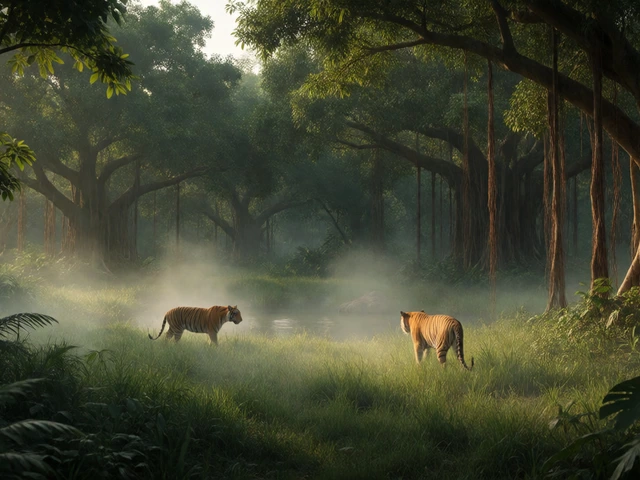
Kerala sits on India’s southwestern edge, hugged by the Arabian Sea and the Western Ghats. It gets over 3,000 millimeters of rain a year - more than double what London receives. The land is flat near the coast, then rolls into steep, forested hills. You’ll find rice paddies, rubber trees, and tea estates. Even in December, the temperature rarely drops below 22°C. Humidity clings to your skin. It’s the kind of place where you need a towel just to sit down.
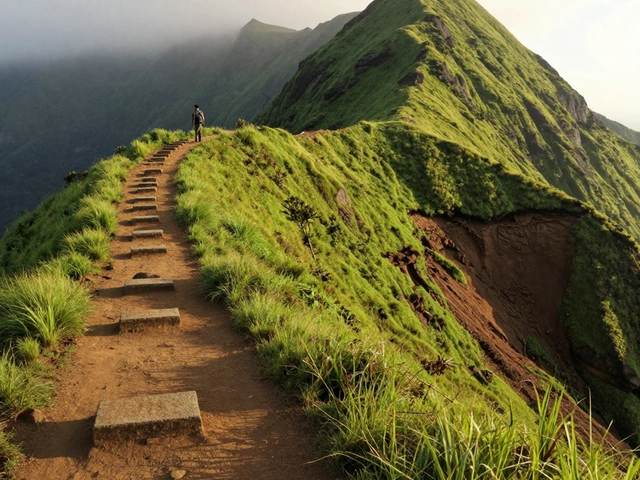
Ladakh, by contrast, is part of the Indian Himalayas, sitting at an average elevation of 3,500 meters. It’s a cold desert. Some areas get less than 100 millimeters of rain annually - less than a typical shower in Kerala. The air is dry, crisp, and biting. In winter, temperatures plunge below -30°C. The landscape is barren: rocky plateaus, dried riverbeds, and ancient monasteries clinging to cliffs. You don’t walk here - you breathe carefully. Altitude sickness is real. Many visitors need a day just to adjust.
Culture and Religion: Temple Rituals vs Monastery Chants
Kerala’s culture is deeply rooted in Hindu traditions, but with a unique local flavor. You’ll see elaborate temple festivals like Thrissur Pooram, where elephants wear golden headdresses and fireworks light up the night sky. But Kerala also has one of India’s highest Christian populations - St. Thomas Christians trace their roots back to the 1st century. Mosques dot the coastline too. Food reflects this mix: coconut-based curries, appam with stew, and seafood cooked with tamarind and curry leaves.
In Ladakh, Buddhism is the heartbeat. Monasteries like Hemis, Thiksey, and Diskit aren’t just places of worship - they’re centers of learning, art, and community. Monks chant in deep, echoing voices at dawn. You’ll see prayer flags fluttering on every ridge, spinning prayer wheels in every village, and locals prostrating themselves in front of chortens. The people are mostly ethnic Tibetans. Their language, dress, and even their butter tea - salty, thick, and warm - come from the Tibetan plateau. There are no Hindu temples here. No mosques either. The spiritual rhythm is quiet, slow, and deeply meditative.
Lifestyle and Daily Life: Slow Waterways vs High-Altitude Survival
In Kerala, life moves with the rhythm of water. People travel by boat through backwaters. Fishermen haul in catch before sunrise. Women sell fresh jackfruit and banana chips at roadside stalls. Even in cities like Kochi, you’ll find families eating dinner on the floor, using banana leaves as plates. There’s a calmness here - a sense that time isn’t something to rush.
In Ladakh, survival shapes everything. Water comes from melting glaciers. Electricity is limited in remote villages. Many homes still use wood stoves for heat. Children walk miles to school. Women spin wool from local goats to make shawls. The economy runs on tourism, but it’s not glamorous. Most families run homestays, not five-star resorts. You’ll see farmers planting barley in rocky soil, knowing one bad harvest could mean hunger. There’s no room for waste here. Every resource is precious.

Food: Spices and Seafood vs Barley and Butter Tea
Kerala’s cuisine is a feast. Coconut oil is the base. Tamarind adds sourness. Curry leaves give aroma. You’ll eat fish curry with rice, beef fry with appam, and payasam - a sweet milk pudding - for dessert. Street food is everywhere: banana fritters, pappadum, and spicy chicken stew. Vegetarian? No problem. Lentils, jackfruit, and tapioca are staples.
Ladakhi food is about warmth and endurance. Barley is the grain of choice - ground into flour for tsampa, a porridge-like staple. Butter tea, made with tea leaves, yak butter, and salt, is drunk morning and night. It’s not sweet. It’s not for everyone. But it keeps you alive at high altitude. You’ll eat thukpa - a noodle soup with vegetables and meat - or momos, steamed dumplings filled with yak or goat. Dairy is everywhere: yogurt, cheese, and butter. Meat is rare outside special occasions. No seafood. No coconut. No spices like chili or turmeric in large amounts. It’s simple, salty, and sustaining.
Tourism: Relaxation vs Adventure
Kerala is for people who want to unwind. Houseboat stays on Alleppey. Ayurvedic massages in Varkala. Yoga retreats in the hills. You can spend a week doing nothing but reading under a canopy, listening to the rain. It’s romantic. It’s slow. It’s perfect for couples, families, or anyone needing to reset.
Ladakh is for people who want to push limits. Bike the Khardung La Pass - the world’s highest motorable road at 5,359 meters. Trek to Pangong Lake, where the water shifts from blue to green like liquid gemstones. Camp under stars so bright they feel close enough to touch. Visit the Magnetic Hill, where cars roll uphill without engine power. This isn’t a vacation. It’s a challenge. You need fitness, preparation, and respect for the environment.

Why These Differences Matter
People often think of India as one place. But Kerala and Ladakh show how vast and varied it really is. One is about abundance - water, greenery, flavor. The other is about scarcity - wind, stone, silence. One invites you to relax. The other demands you adapt.
Choosing between them isn’t about which is better. It’s about what you need. If you want to feel soothed, healed, and pampered, go to Kerala. If you want to feel small under the sky, to test your limits, and to see a way of life untouched by modern rush, go to Ladakh.
Both are unforgettable. But they don’t just show you India. They show you two completely different ways of being human.
Can I visit Kerala and Ladakh in the same trip?
Yes, but it’s not easy. The two places are over 2,500 kilometers apart, with very different climates and altitudes. Most travelers spend 7-10 days in each. Flying from Kochi to Leh takes about 3 hours, but you need at least 3-4 days to acclimatize in Ladakh before doing any trekking. Plan for 14-20 days total. Don’t try to rush it - your body will thank you.
Is Ladakh safe for first-time travelers?
Yes, if you prepare properly. Altitude sickness is the biggest risk. Spend your first two days resting in Leh. Drink plenty of water. Avoid alcohol and heavy meals. Don’t hike hard until you feel fine. Many tour operators offer guided trips with oxygen support. Local guides know the signs of trouble. With common sense, Ladakh is safe for beginners - just don’t treat it like a beach holiday.
What’s the best time to visit Kerala?
November to February is ideal. The monsoon ends by October, and the weather stays cool and dry. Temperatures hover around 25-30°C. It’s perfect for backwater cruises, temple visits, and beach time. Avoid June to August - heavy rains can disrupt travel. March to May is hot and humid, but fewer crowds.
What’s the best time to visit Ladakh?
May to September is the only window. The roads open after winter snow melts. June and July are busiest, with clear skies and mild days (15-25°C). August brings occasional rain. September is quieter, with stunning autumn colors. Outside this period, most roads close. Winter travel is only for experienced adventurers with special permits.
Do I need a permit for Ladakh?
Yes. Foreign tourists need an Inner Line Permit (ILP) to visit most areas beyond Leh, including Nubra Valley, Pangong Lake, and Tso Moriri. You can get it online or in Leh with a passport and photos. Indian citizens need a Protected Area Permit (PAP) for the same zones. These are easy to get but require planning - don’t show up expecting to skip them.
Which destination is cheaper - Kerala or Ladakh?
For budget travelers, Kerala wins. A basic homestay costs ₹800-₹1,500 per night. Meals are under ₹200. Public transport is cheap. In Ladakh, even basic homestays cost ₹1,500-₹3,000. Fuel, permits, and guides add up. A single day trip to Pangong Lake can cost ₹4,000-₹6,000 for a private vehicle. You can do it cheaply, but it requires more planning and physical effort.
Next Steps: What Should You Do?
If you’re planning a trip, start by asking yourself: Do I want to rest or rise? Do I want to be pampered or pushed? Kerala gives you peace. Ladakh gives you perspective. Neither is better. But one will change you in a way the other won’t.
Book your flights early. Pack light for Kerala - cotton, sandals, raincoat. Pack heavy for Ladakh - thermal layers, sunblock, lip balm, and a good pair of hiking boots. Learn a few phrases in Malayalam if you go south. Learn a few in Ladakhi if you go north. Both places reward respect.
And remember - you’re not just visiting a place. You’re stepping into a way of life that’s existed for centuries. Don’t just take photos. Listen. Watch. Breathe. That’s how you truly see the difference.