Goa Budget Calculator
How It Works
This tool helps you calculate your realistic budget for a 7-day trip to Goa in 2026. Select your preferences to see a detailed breakdown based on the article's cost analysis.
Planning a week in Goa doesn’t mean you need to break the bank. In 2026, you can enjoy sun-soaked beaches, fresh seafood, and vibrant nightlife without spending a fortune-if you know where to look. The truth? Most travelers overspend because they assume Goa is either a luxury escape or a backpacker’s nightmare. The reality? It’s somewhere in between, and your budget depends entirely on your choices.
What Your Week in Goa Actually Costs
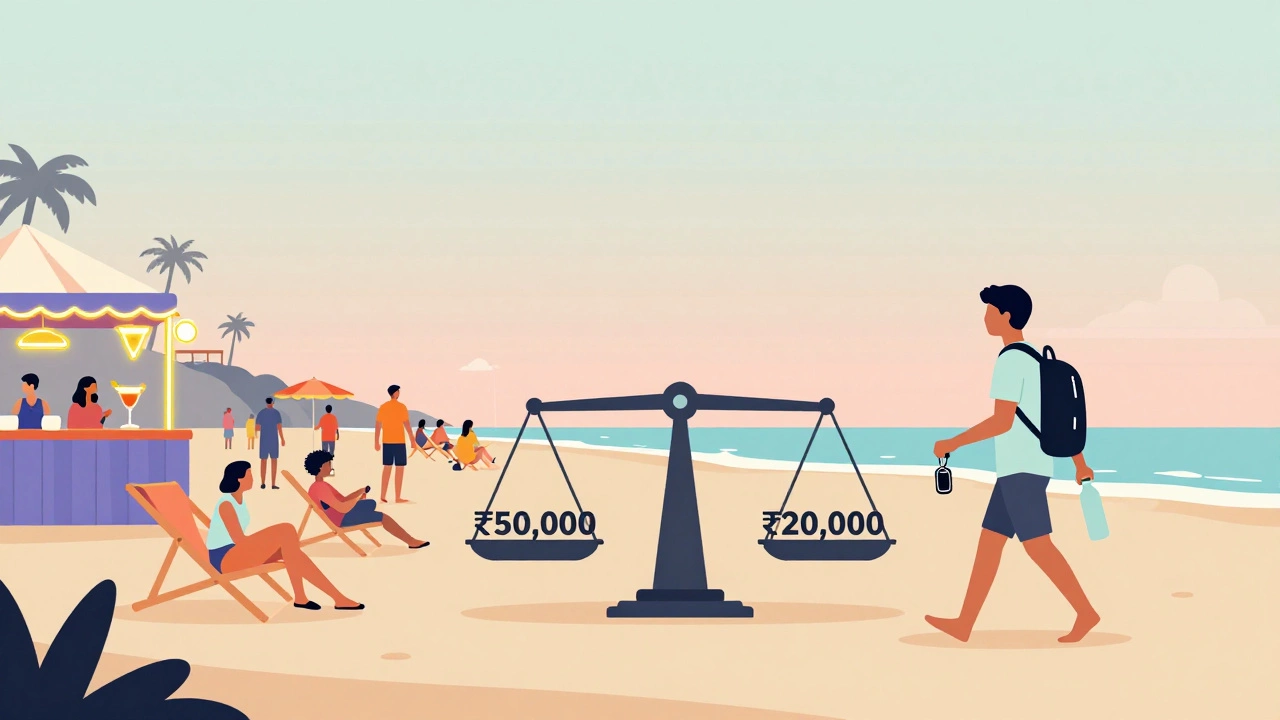
A week in Goa can cost anywhere from ₹15,000 to ₹50,000 per person (roughly $180 to $600 USD). That’s a wide range, but here’s how it breaks down in real terms.
If you’re traveling solo and keeping it simple, you can comfortably manage on ₹20,000-₹25,000. That covers basic stays, food, transport, and a few extras. If you want to splurge on beach clubs, private transfers, or upscale dining, you’ll hit ₹40,000+. But you don’t need to.
Accommodation: Where You Spend the Most (or the Least)
Where you sleep makes the biggest difference in your budget. In North Goa-think Anjuna, Baga, Calangute-you’ll find hostels starting at ₹500-₹800 per night. These are clean, social, and often include breakfast. Private rooms in guesthouses? Around ₹1,500-₹2,500. That’s a solid middle ground.
South Goa is quieter. Beach shacks in Palolem or Agonda start at ₹1,200 for a basic room with a fan. If you want AC and ocean views, expect ₹2,500-₹4,000. For luxury? A boutique hotel in Morjim or Palolem can run ₹8,000-₹15,000 a night. But unless you’re celebrating something, skip it.
Pro tip: Book directly with the property. Many guesthouses don’t list on Booking.com or Airbnb, and you’ll save 15-20% by calling or messaging them on WhatsApp.
Food: Eat Like a Local, Not a Tourist
Goa’s food scene is one of its biggest strengths-and it doesn’t have to cost much. Street food stalls in Mapusa or Panjim serve fresh fish curry with rice for ₹120-₹180. A plate of prawn balchão? ₹150. A cold Kingfisher beer? ₹100.
For sit-down meals, local restaurants charge ₹250-₹400 for a full plate. You’ll find better value here than at beachside shacks that charge ₹800 for the same dish just because it’s near the sand. Stick to places where locals eat. Look for crowded tables, not fancy signs.
Breakfast is easy: ₹60-₹100 for a masala dosa or bread omelette with tea. Lunch and dinner? Stick to ₹300-₹500 per meal. That’s ₹2,100-₹3,500 for the week. Add snacks and drinks, and you’re still under ₹5,000.

Transport: Rent a Scooter, Skip the Taxis
Getting around Goa is cheap if you avoid taxis. A one-way taxi from the airport to Calangute? ₹1,200-₹1,800. That’s more than a night’s stay.
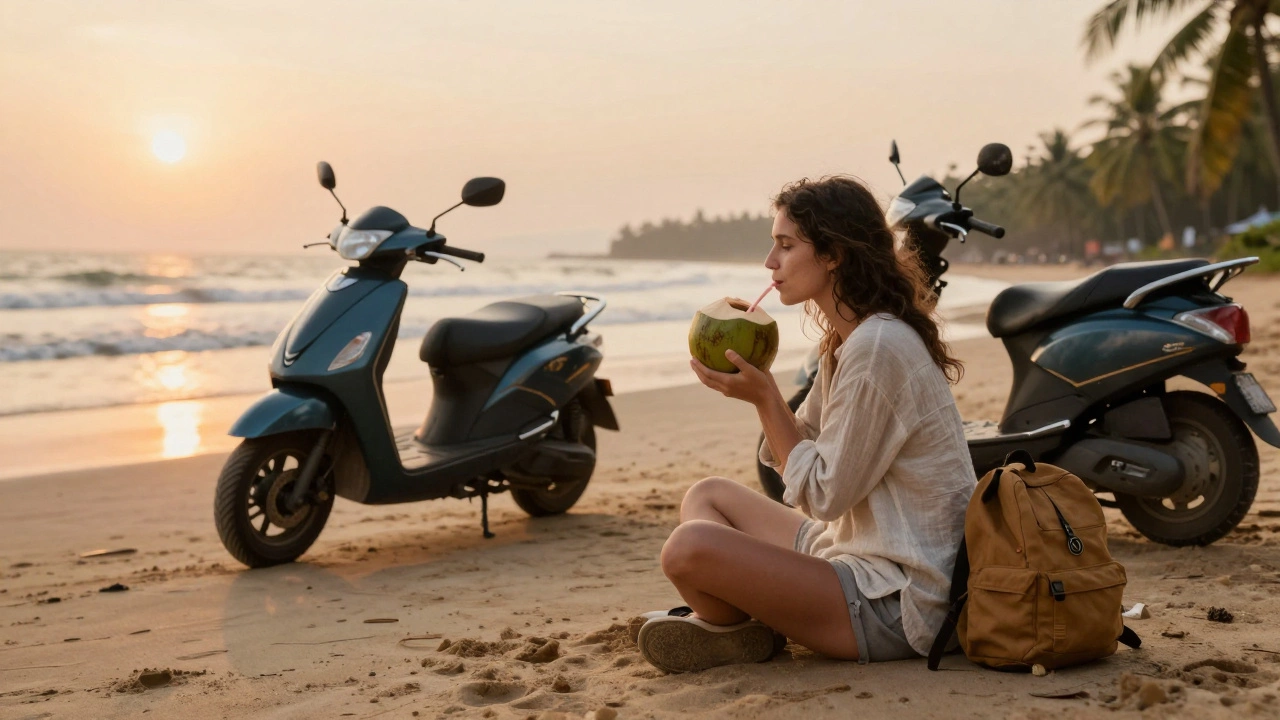
Instead, rent a scooter. Daily rates are ₹300-₹400. Weekly? Around ₹2,000-₹2,500 with a deposit. You’ll need a valid Indian license or international permit-carry your home country license and passport. Most rental shops don’t ask for much else.
Public buses run between major towns for ₹30-₹60 per trip. They’re slow but reliable. If you’re staying put in one area, you won’t need transport every day. Walk to the beach. Ride a scooter to the next village. You’ll see more that way anyway.
Activities and Entry Fees: Worth It or Skip?
Goa isn’t all beaches. There’s history, nature, and culture too. The Basilica of Bom Jesus? ₹20 entry. The Fort Aguada lighthouse? ₹30. A boat ride to the dolphins near Dona Paula? ₹800 per person. A spice plantation tour? ₹600-₹1,000.
Most of these are optional. If you’re here for the sun and sea, you don’t need them. But if you want to understand Goa beyond the parties, pick one or two. Don’t do all of them. You’ll spend more time waiting in lines than enjoying.
Water sports? Jet skiing, parasailing, banana boat rides? ₹800-₹1,500 per activity. They’re fun for an hour, but overpriced. If you’re doing it, go early in the morning when crowds are thin and prices are lower.
Hidden Costs and Money Traps
Here’s what catches people off guard:
- ATM fees: Many ATMs charge ₹200 per withdrawal. Use ones inside banks to avoid extra fees.
- Beach chairs and umbrellas: Some beaches charge ₹200-₹500 just to sit. Stick to public beaches like Vagator or Morjim where it’s free.
- Drinks at beach clubs: A cocktail at Tito’s or Baga Beach Club? ₹800-₹1,200. You can get the same drink at a local bar for ₹250.
- Tipping: Not expected, but appreciated. Round up your bill by ₹20-₹50 if service was good.
Also, carry cash. Many small shops, homestays, and street vendors don’t accept cards. Even big restaurants sometimes have poor connectivity. Keep ₹5,000-₹7,000 in cash for the week.
Sample Budget: ₹22,000 for a Week (Solo Traveler)
Here’s what a realistic, comfortable week looks like without luxury or deprivation:
- Accommodation (7 nights, ₹2,000/night): ₹14,000
- Food (₹500/day): ₹3,500
- Scooter rental (7 days): ₹2,500
- Local transport (bus rides, occasional auto): ₹500
- Activities (one boat ride, one spice tour): ₹1,500
- Drinks and snacks: ₹1,000
- Contingency (for souvenirs or emergencies): ₹1,000
Total: ₹24,000
You can easily cut this to ₹20,000 by choosing a ₹1,500 hostel, eating more street food, and skipping extra activities. Or go higher if you want to live like a VIP.
When to Go to Save Money
Goa’s high season runs from November to February. That’s when prices peak. January 2026? You’re in the thick of it. But if you can shift your dates by two weeks, you’ll save big.
Consider going in late October or early March. The weather is still great, crowds are thin, and hotels drop prices by 30-50%. You’ll get the same sun, same beaches, same food-but without the noise and inflated rates.
Even within high season, weekdays are cheaper. Book your stay for a Tuesday or Wednesday, not Friday or Saturday. Beach clubs charge more on weekends. Restaurants hike prices for New Year’s Eve or Christmas. Plan around those dates.
Final Tip: Don’t Compare Goa to Bali or Thailand
People often say, "Bali is cheaper." That’s true-but Goa isn’t trying to be Bali. It’s not a mass-market package destination. It’s a mix of Portuguese charm, Indian flavors, and beachside freedom. You’re paying for that uniqueness.
Focus on what you value. If you want quiet mornings, fresh coconut water, and a sunset walk on a nearly empty beach, Goa delivers that-even on a tight budget. If you want 24/7 parties and luxury pools, you’ll spend more. Neither is wrong. Just be honest with yourself about what you’re here for.
Goa doesn’t require a big wallet. It requires smart choices. Pack light. Walk more. Eat local. Say no to the overpriced cocktails. And you’ll leave with great memories, a tan, and money left in your pocket.
Is Goa safe for solo travelers?
Yes, Goa is generally safe for solo travelers, including women. The beaches and tourist areas are well-patrolled, and locals are used to foreign visitors. Avoid isolated areas at night, don’t drink too much, and keep your belongings secure. Theft is rare but happens-especially in crowded spots like Baga Beach. Use a money belt or hidden pouch for your passport and cash.
Do I need a visa to visit Goa?
If you’re from Australia, you need an e-Visa for India. Apply online at least 4 days before your trip. It costs around $80 USD and is valid for 60 days. Make sure your passport has at least six months left on it. You can enter through Goa’s Dabolim Airport with an e-Visa-no need for a paper stamp.
Can I use credit cards in Goa?
Larger hotels, restaurants, and tour operators accept cards. But most small shops, street vendors, and local guesthouses only take cash. ATMs are common in tourist zones, but they often charge fees. Carry at least ₹5,000-₹7,000 in cash for the week. Withdraw in larger amounts to reduce transaction fees.
What’s the best way to get from the airport to my hotel?
The cheapest option is the Kadamba Transport bus (Route 11) from Dabolim Airport to Panjim or Mapusa-it costs ₹60-₹80. From there, take an auto or local bus to your final destination. If you prefer convenience, pre-book a private transfer online (₹800-₹1,200) or use the airport’s official taxi counter. Avoid unmarked cabs-they’ll overcharge.
How much should I tip in Goa?
Tipping isn’t mandatory in Goa, but it’s appreciated. For good service at a restaurant, rounding up the bill by ₹20-₹50 is common. For housekeeping at a guesthouse, ₹50-₹100 per day is thoughtful. For tour guides or drivers, ₹200-₹500 for a half-day trip is fair. Don’t feel pressured-locals don’t expect it, but they’ll notice if you do it.
Are there any hidden fees when renting a scooter?
Yes. Most rentals require a deposit of ₹2,000-₹5,000, which you get back when you return the scooter undamaged. Some shops charge extra for helmets (₹50/day), insurance (₹100-₹200), or fuel. Always check the condition of the scooter before you leave-take photos of scratches or dents. Ask if fuel is included or if you need to refill it yourself. Most don’t include it.