South India Transport Planner
Not sure whether to book a train, a bus, or an app? Answer a few questions and we'll recommend the best way to get around.
The Big Picture: Key Takeaways
- Trains are best for long distances (e.g., Bengaluru to Kochi).
- Buses are the lifeline for hill stations and smaller towns.
- Ride-sharing apps are essential for city hops to avoid haggling.
- Auto-rickshaws are the gold standard for short, chaotic urban sprints.
- Houseboats are a specific, slow-motion way to see the Kerala coast.
Mastering the Rails: Indian Railways
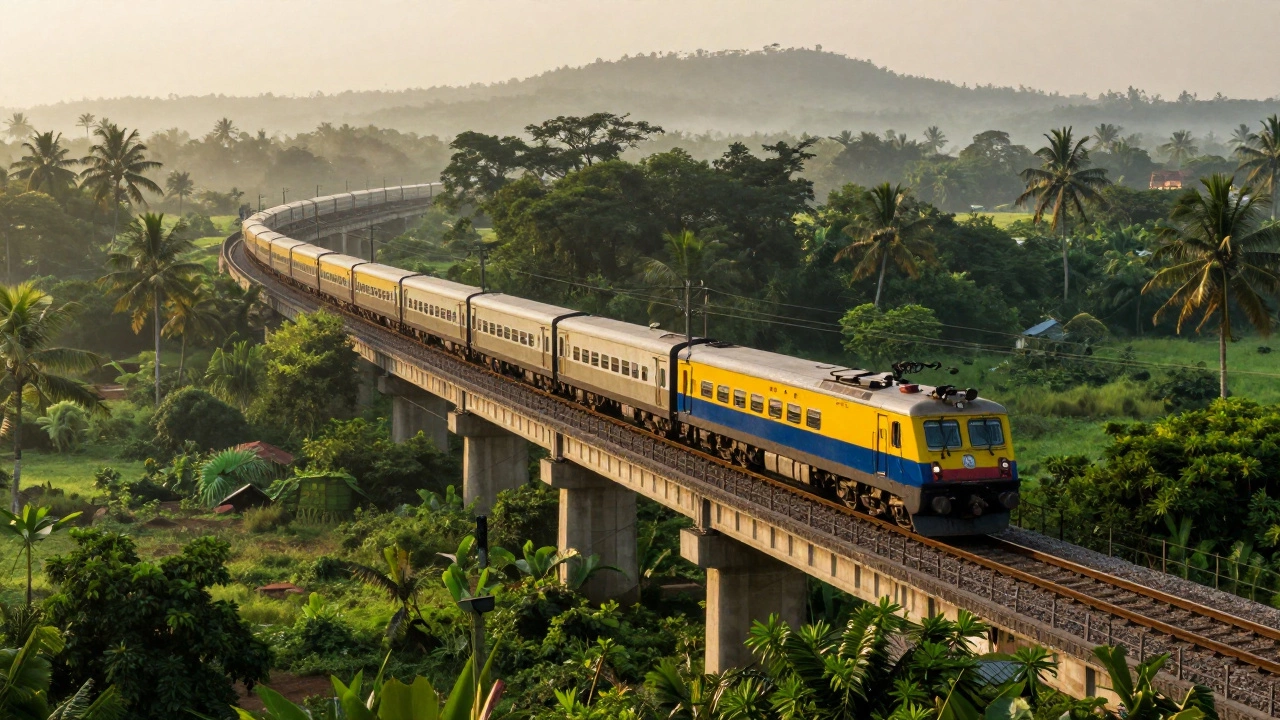
If you're covering huge distances, you can't beat Indian Railways. It's the backbone of the country. If you're traveling from the tech hubs of Bengaluru to the coast of Kochi, a train is your best bet for comfort and cost.
The trick is the booking. You'll see classes like 2AC (two-tier air conditioned) and 3AC. If you have the budget, go for 2AC; it's quieter and has more room. Avoid 'Sleeper Class' unless you're a hardcore backpacker and don't mind the breeze (and the dust) blowing in through open windows all night. The IRCTC website is where you'll book, but be warned: popular trains fill up weeks in advance. If you see 'WL' (Waitlist), don't assume you have a seat. Use a third-party app like ConfirmTkt to get a better idea of your actual chances of boarding.
| Class | Comfort Level | Best For | Price Point |
|---|---|---|---|
| 1AC / 2AC | High (Bed/AC) | Families & Long Hauls | Premium |
| 3AC | Medium (Bed/AC) | Solo Travelers / Pairs | Moderate |
| Sleeper | Low (Bunks/Fan) | Budget Adventurers | Cheap |
Navigating the Roads: Buses and Coaches
Trains are great, but they don't go everywhere. If you want to see the mist-covered peaks of Munnar or the ruins of Hampi, you're going to be on a bus. In South India, you have two main options: government-run buses and private luxury coaches.
State-run buses (like KSRTC in Karnataka or SETC in Tamil Nadu) are the real experience. They are cheap, they go to every tiny village, and they are often packed. If you're okay with a bit of chaos, they're the most authentic way to travel. However, for overnight trips, always book a "Sleeper Bus" from a private operator. These have actual berths you can lie down in. Look for "AC Semi-Sleeper" options on apps like RedBus to ensure you don't arrive at your destination with a permanent kink in your neck.
The Urban Shuffle: Apps and Auto-Rickshaws
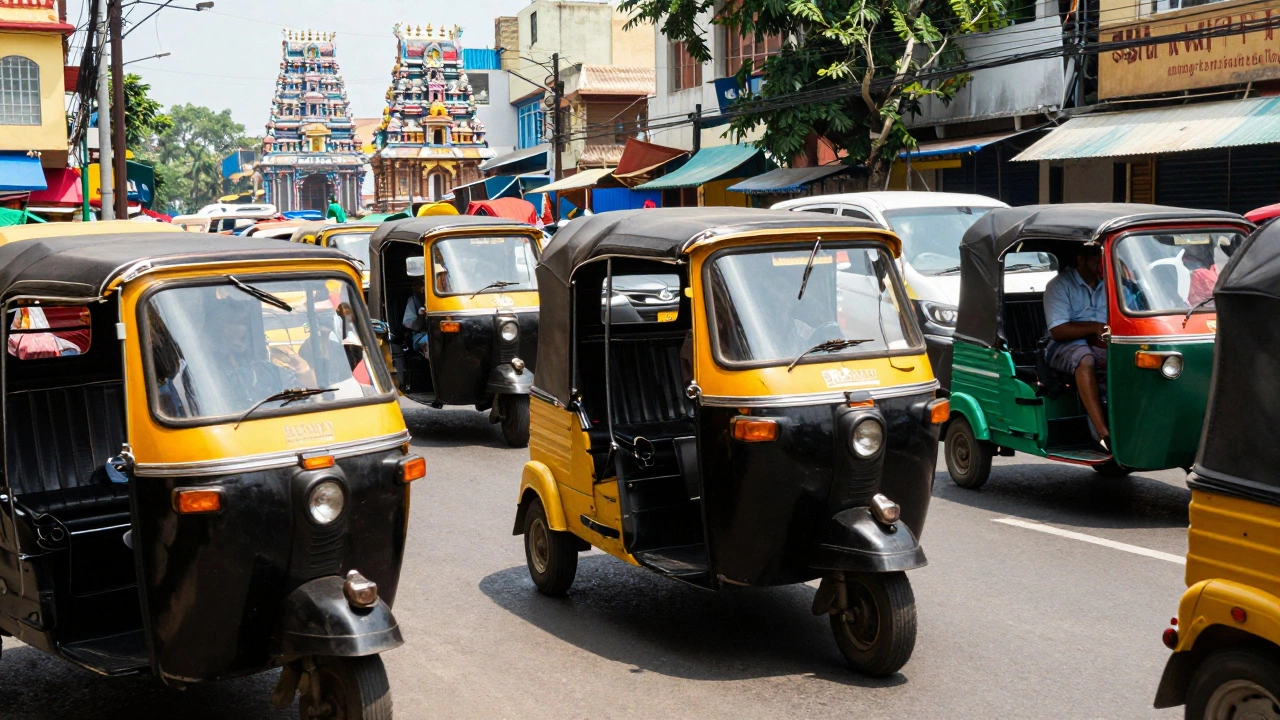
Once you've reached a city like Chennai, the battle begins: the commute. You'll see thousands of yellow and black three-wheelers. These are Auto-rickshaws. They are fast, they can weave through traffic that would stop a tank, and they are perfect for 2-kilometer trips.
The problem? The pricing. Many drivers will ask for a flat fee that's triple the actual fare. To stop the haggling, use Uber or Ola. These apps are widely used across South Indian cities. You get a fixed price, a tracked route, and you don't have to argue about the meter. Pro tip: in cities like Bengaluru, an Uber might take 20 minutes to arrive because of the legendary traffic, so keep a backup plan.
Specialized Transport: Houseboats and Tuks
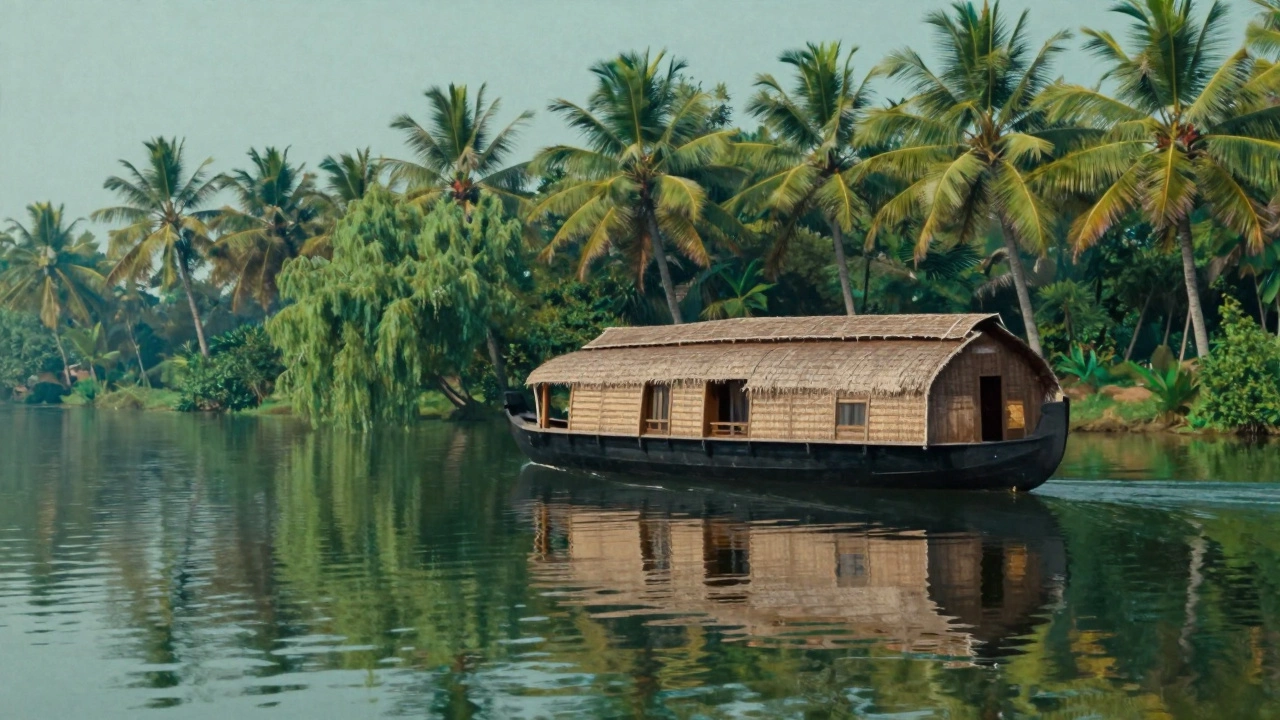
You can't talk about South India without mentioning the Kerala Backwaters. Here, the "road" is water. Houseboats (Kettuvallams) are essentially floating hotels. They aren't for getting from Point A to Point B quickly; they are for experiencing the slow pace of rural Kerala.
If you're in a more touristy area like Fort Kochi, you might find electric rickshaws. These are quieter and more eco-friendly than the petrol ones. They're great for a slow loop around the historical sites without the noise pollution of a combustion engine. If you're feeling brave, renting a scooter is common in places like Goa (technically bordering the south) or the smaller towns of Kerala, but only do this if you're comfortable with the "organized chaos" of Indian traffic, where lanes are more like suggestions than rules.
Common Pitfalls and How to Avoid Them
One of the biggest mistakes travelers make is overestimating how far they can get in a day. A 200km trip in South India doesn't take three hours; it can take six. The roads are often narrow, and you'll encounter everything from wandering cows to sudden monsoon downpours. Always add a two-hour buffer to your travel plans.
Another trap is the "tourist price." If you hire a private taxi for a few days, agree on the price and the number of kilometers before you get in the car. Ask if the price includes "driver charges" (food and lodging for the driver), as this is a common hidden cost that pops up at the end of a trip. Using a reputable agency instead of a random guy at the airport can save you a lot of stress, even if it costs a few extra rupees.
Your Transport Decision Tree
- Crossing states? $ ightarrow$ Train (AC Class).
- Heading to the mountains? $ ightarrow$ Private Sleeper Bus.
- Crossing town for lunch? $ ightarrow$ Uber/Ola Auto.
- Wanting a romantic, slow view? $ ightarrow$ Houseboat.
- On a shoestring budget? $ ightarrow$ State Government Bus.
Is it safe to take overnight buses in South India?
Generally, yes. Stick to well-known operators with high ratings on RedBus. For solo female travelers, booking a sleeper berth in a reputable AC coach is a standard and safe practice, though staying alert with your belongings is always a good idea.
How do I book train tickets if I'm not an Indian citizen?
You can use the official IRCTC website or a trusted travel agent. Since the official site can be clunky and requires a verified account, many foreigners use agencies or apps that handle the account creation and payment for a small fee.
Can I rent a car with a driver for the whole trip?
Yes, this is very common. Many travelers hire a "car and driver" package for a week. This is the most comfortable way to see the sights, as the driver handles the navigation and luggage. Just ensure you clarify the daily mileage limit and driver's allowance beforehand.
Do I need a local SIM card for the transport apps?
Absolutely. You'll need a data connection to use Uber, Ola, and RedBus. You can pick up an Airtel or Jio SIM at the airport. Without a local number, you can't even register for the most basic ride-sharing services.
Which is better for Kerala: Train or Bus?
For the main corridor (Kochi to Trivandrum), the train is faster and more scenic. For getting into the hills of Munnar or Wayanad, you must use a bus or a private car, as the train tracks don't climb the mountains.
Next Steps for Your Journey
If you're just starting to plan, your first move should be to download Uber and RedBus. Once you've mapped out your major cities, check the IRCTC availability for your longest legs. If you're heading to the coast, look into booking your houseboat at least two weeks early during the peak winter season (December to February). If you find yourself stuck in a rural area without an app, look for the nearest "Bus Stand"-it's the heart of every South Indian town and the gateway to everywhere else.