How to Start Trekking in India: A Beginner's Guide

How to Start Trekking in India: A Beginner's Guide
Trekking in India Caden Holbright 25 Aug 2026 0 Comments

Trek Readiness & Suitability Checker

Sedentary Athletic

Your Personalized Recommendation

--

--

--

Duration
--
Max Altitude
--
Best Season
--
Difficulty
Beginner
Why this fits you:

--


Preparation Checklist for You

    Most people imagine trekking is a strenuous activity requiring years of mountaineering experience. That’s a myth. In reality, you can start your first adventure on a weekend trip with just basic fitness and the right mindset. Whether you want to see snow-capped peaks or walk through pine forests, the country offers paths for every level.

    This guide breaks down exactly how to take that first step. We’ll cover where to go, what to pack, and how to prepare your body so you don’t get stuck halfway up a mountain. Let’s get you ready for the trail.

    Key Takeaways

    • Start simple: Choose a 1-3 day trek under 12,000 feet altitude for your first time.
    • Fitness matters: You need good cardio endurance, not heavy muscle strength.
    • Gear beats brand: Comfortable shoes and a proper backpack are more important than expensive jackets.
    • Timing is everything: Monsoon (July-September) blocks many routes; spring and autumn are best.
    • Local guides are key: Hiring a certified local guide ensures safety and better cultural insights.

    Picking Your First Trek: Location and Difficulty

    Your first trek should feel like a reward, not a punishment. If you pick something too hard, you might quit hiking forever. The sweet spot for beginners lies in the lower Himalayas or the Western Ghats. These regions offer moderate elevation gains and well-established trails.

    In North India, Kedarkantha in Uttarakhand is a favorite. It sits at about 12,500 feet and takes three days to complete. The path is wide enough for groups, and the views of the surrounding peaks are stunning without being intimidating. Similarly, Sun Valley in Himachal Pradesh is gentle, taking only two days, and features lush greenery rather than steep rocky climbs.

    If you prefer southern landscapes, look at Rajmachi near Mumbai. It’s a short overnighter perfect for city dwellers wanting a quick escape into the Sahyadri range. For those willing to travel further, Kudremukh in Karnataka offers waterfalls and dense forests, but requires careful planning due to seasonal river crossings.

    Comparison of Popular Beginner Treks in India
    Trek Name Location Duration Max Altitude Best Season
    Kedarkantha Uttarakhand 3 Days 12,500 ft Nov - April
    Sun Valley Himachal Pradesh 2 Days 9,800 ft May - October
    Rajmachi Maharashtra 2 Days 2,700 ft Oct - June
    Kudremukh Karnataka 2 Days 4,860 ft Nov - Feb

    Fitness Prep: Building the Right Base

    You don’t need to run a marathon to hike a hill, but you do need stamina. The biggest mistake beginners make is ignoring their legs. Hiking involves constant uphill movement, which taxes your quadriceps and calves differently than running does.

    Start preparing four weeks before your trip. Focus on three types of exercises:

    1. Cardio Endurance: Walk briskly for 30-45 minutes daily. Stairs are your best friend here. Climb them slowly to simulate incline walking.
    2. Leg Strength:
    3. Core Stability:

    Avoid heavy weightlifting right before the trip. Heavy muscles fatigue faster when carrying a backpack. Instead, focus on light weights with high repetitions. Squats, lunges, and calf raises are essential. If you wear glasses, consider getting contact lenses fitted before the trip to avoid fogging issues during exertion.

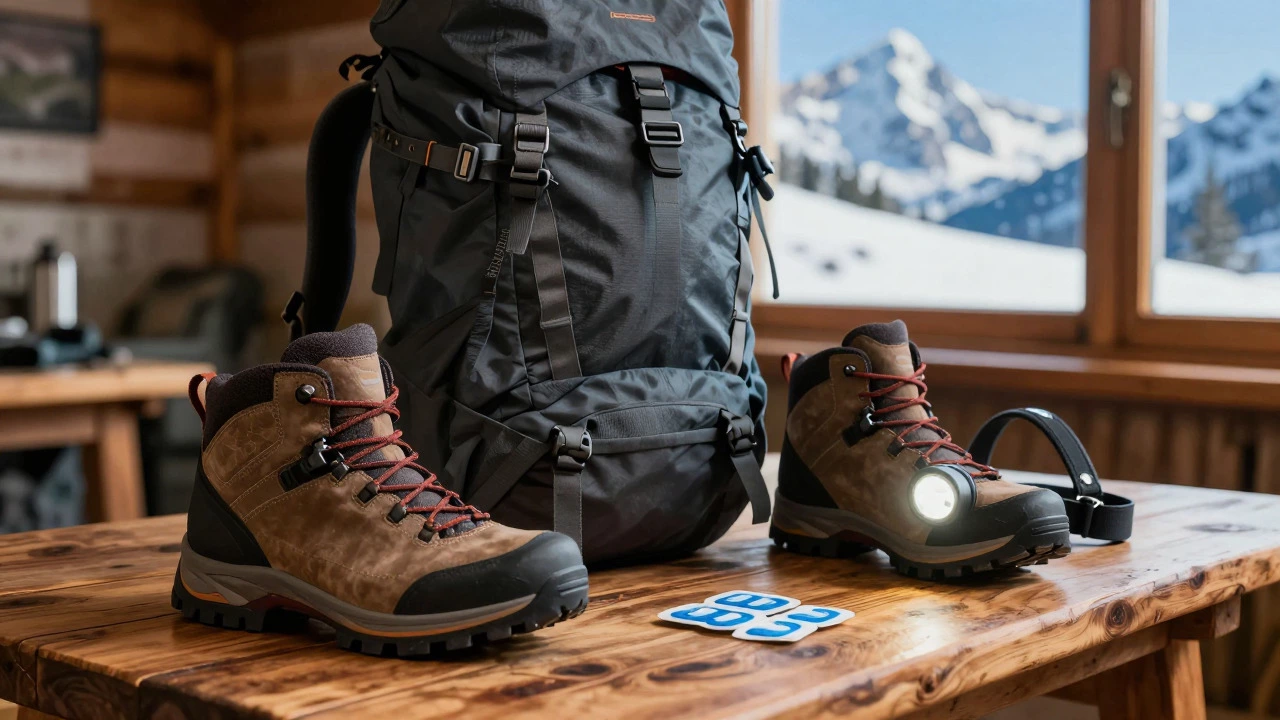
    Essential trekking gear including boots, backpack, and headlamp on a wooden table

    The Gear Checklist: What Actually Matters

    Don’t let marketing hype trick you into buying $500 boots. You need functional gear, not luxury items. Here is what you actually need for a beginner trek in India.

    • Footwear: This is non-negotiable. Get waterproof hiking shoes with good ankle support. Break them in at home for at least two weeks. Blisters will ruin your trip if you skip this step.
    • Backpack: A 40-50 liter bag is ideal for multi-day treks. It should have a rain cover and comfortable straps. Avoid rucksacks that dig into your shoulders.
    • Clothing Layers: Weather changes fast in mountains. Use the layering method: a base layer (moisture-wicking), an insulating layer (fleece or down), and a shell layer (windproof/rain jacket).
    • Headlamp: Essential even for day trips. Trails often extend past sunset, and you need hands-free lighting.
    • Water Purification: Carry a filter or purification tablets. Drinking untreated stream water is a common cause of trekking illness.

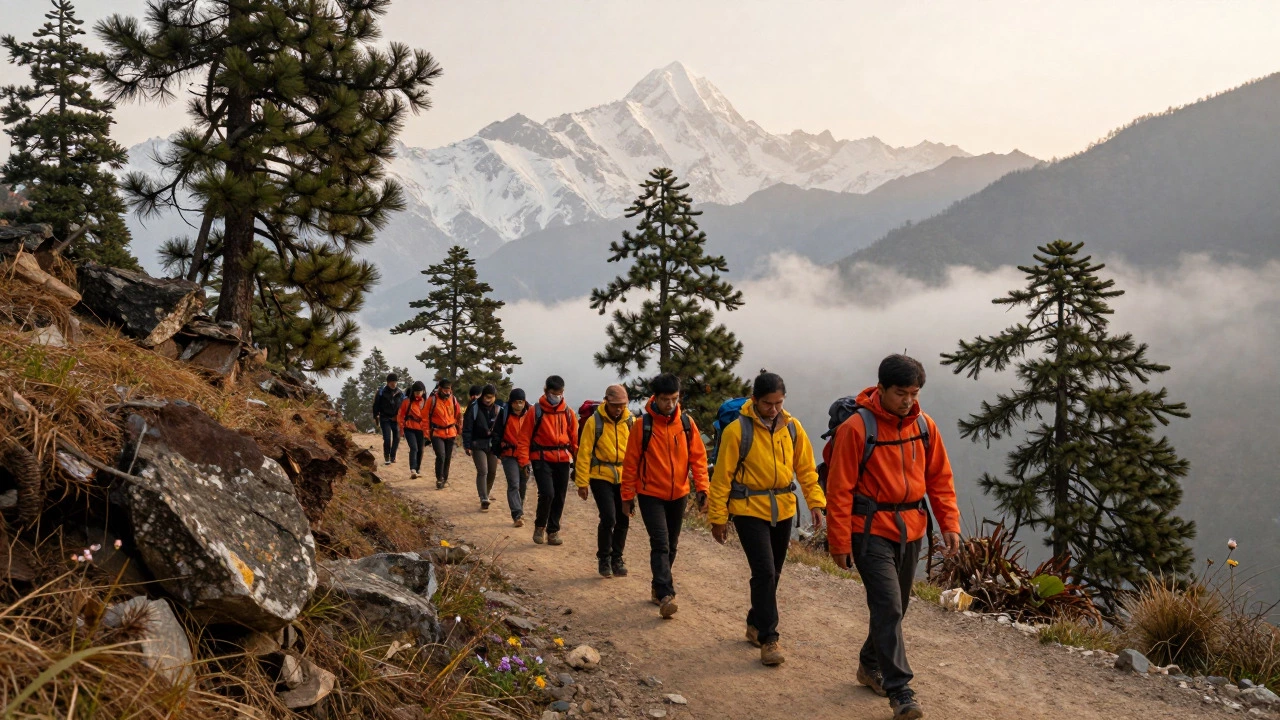
    Clothing colors matter too. Bright colors like orange or yellow make you visible to rescue teams in case of fog or emergencies. Dark clothes absorb heat but show dirt easily; neutral tones hide stains but make you harder to see.

    Timing Your Trip: Seasons and Safety

    India’s diverse geography means there isn’t one single "best" season. However, monsoon season (July to September) makes many trails slippery and dangerous. Landslides are common in the Himalayas during this period.

    For the Northern Himalayas, winter (December to February) offers clear skies and snow views, but temperatures drop below freezing. Spring (March to May) brings blooming rhododendrons and milder weather, making it arguably the most pleasant time for beginners. Autumn (October to November) provides crisp air and excellent visibility after the rains wash away dust.

    In the Western Ghats, the monsoon creates dramatic waterfalls but also leeches and muddy paths. Post-monsoon (November to January) is dry and cool, ideal for comfort. Always check local weather forecasts a week before departure. Mountain microclimates can differ significantly from valley towns.

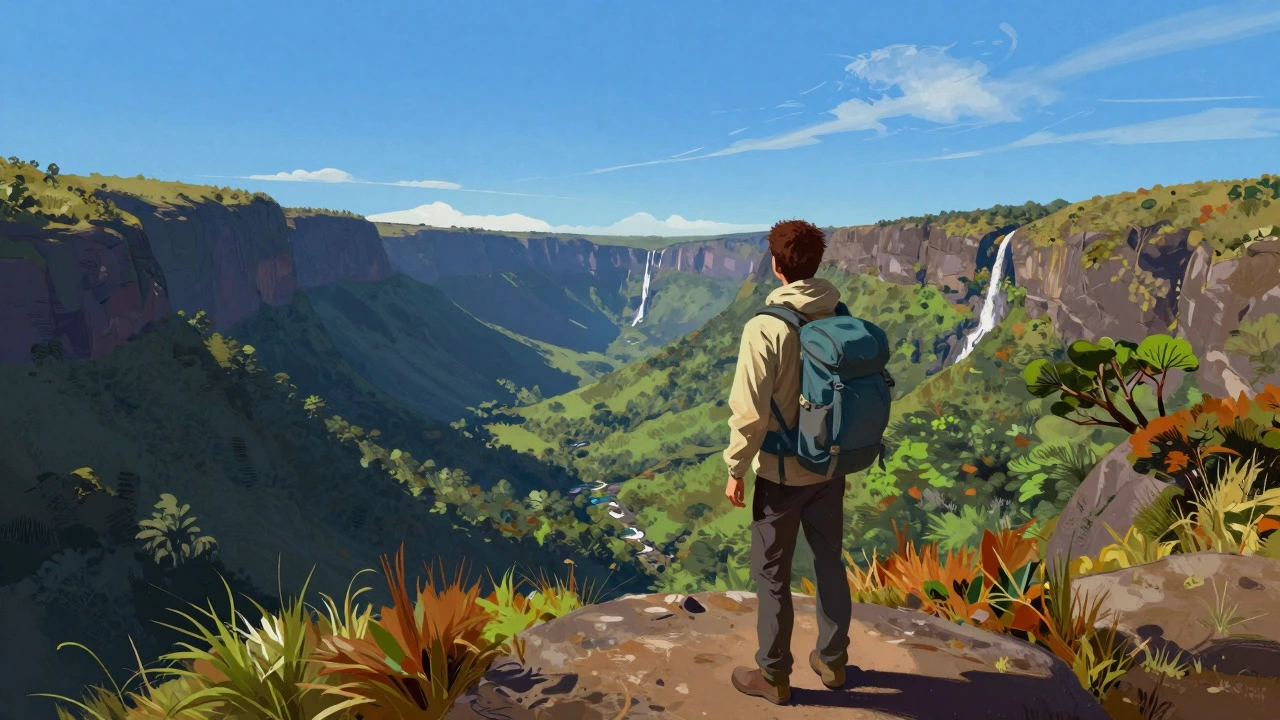
    Trekker overlooking a lush valley and waterfall in the Western Ghats during autumn

    Logistics: Booking, Guides, and Permits

    You rarely need to plan every detail yourself. Most popular treks are organized by local operators. These companies handle accommodation, meals, and transport to the base camp. Your job is to choose a reputable operator.

    Look for reviews that mention guide quality and food hygiene. Ask if the group size is manageable (under 15 people is ideal for beginners). A smaller group allows the guide to pay attention to slower hikers.

    Permits are required for some restricted areas, such as certain sections of Sikkim or Ladakh. For standard beginner treks like Kedarkantha or Sun Valley, no special government permits are needed, but your operator will handle any local village permissions. Carry a valid ID proof (Aadhar card or Passport) at all times. Cash is king in remote villages, so carry enough small denominations for tips and emergency purchases.

    On the Trail: Etiquette and Survival Tips

    Trekking is as much about community as it is about scenery. Follow the Leave No Trace principles. Pack out all your trash, including biodegradable items like fruit peels, which decompose slowly at high altitudes.

    Walk single file on narrow paths to allow others to pass. Yield to ascending hikers by stepping aside. Keep noise levels low; wildlife is sensitive to sudden sounds. If you encounter livestock, keep a safe distance and don’t feed them unless instructed by locals.

    Altitude sickness is a real risk above 8,000 feet. Symptoms include headache, nausea, and dizziness. The cure is descent. Don’t push through severe symptoms. Hydrate constantly-drink 3-4 liters of water daily. Electrolyte drinks help maintain energy levels. Listen to your guide; they know the terrain and weather patterns better than any app.

    Do I need to be very fit to start trekking in India?

    No, you don’t need elite fitness. Basic cardio endurance is sufficient for beginner treks. You should be able to walk for 4-5 hours with breaks. Start training 4 weeks prior with stair climbing and brisk walking to build leg strength and stamina.

    What is the best time of year for a first-time trekker?

    Autumn (October-November) and Spring (March-May) are generally the best seasons. These months offer stable weather, clear trails, and comfortable temperatures. Avoid the monsoon season (July-September) for your first trip due to slippery paths and potential landslides.

    Can I trek alone or should I join a group?

    For your first few treks, joining a guided group is highly recommended. Local guides know the terrain, handle logistics, and provide safety backup. Solo trekking is safer once you have experience with navigation and emergency protocols.

    How much does a beginner trek cost in India?

    Budget-friendly options start around $100-$150 USD per person for a 2-3 day trek, covering stay, food, and guide. Costs vary based on location and operator quality. Luxury campsites may cost double but offer better amenities.

    Is trekking safe for women traveling solo?

    Yes, trekking in India is generally safe for women, especially in organized groups. Many operators have female-only batches or mixed groups with professional guides. Stick to well-trodden routes and inform family of your itinerary for added peace of mind.