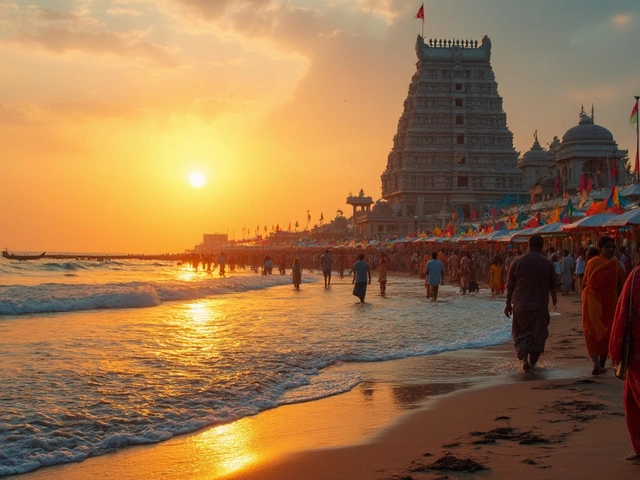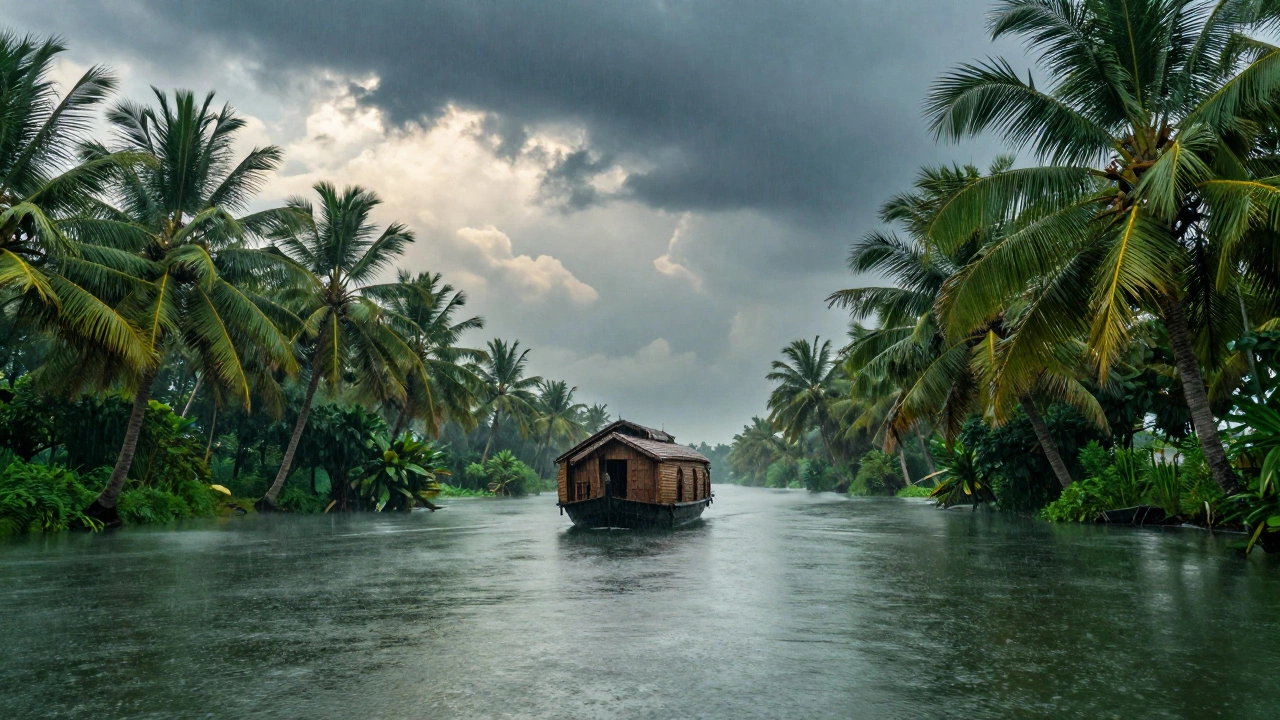
You’ve seen the photos. The backwaters gliding past coconut palms, the mist clinging to Munnar’s tea estates, the vibrant chaos of Kochi’s streets. But then you pause. You read a headline from years ago about a flood or a protest. Your stomach tightens. Is Kerala actually safe to visit right now? Especially with the monsoon rains starting to pick up in July 2026?
I get it. We live in an age where one viral video can ruin a destination’s reputation for a decade. As someone who has spent countless hours analyzing travel data and talking to locals across South India, I’m here to give you the straight talk. No fluff, no marketing spin. Just the facts on whether your trip is worth the risk.
The short answer? Yes. Kerala remains one of the safest states in India for tourists, even during the peak monsoon season. However, "safe" doesn’t mean "risk-free." It means understanding the context. In July 2026, the primary concerns aren’t crime or terrorism-they are weather-related disruptions and health precautions. If you know how to navigate these, you’ll find a state that is welcoming, orderly, and breathtakingly beautiful.
The Monsoon Factor: Weather vs. Danger
When people ask if Kerala is safe in July, they are usually asking about the rain. And yes, July is the heart of the Southwest Monsoon. This isn’t just light drizzle; it’s heavy, sustained rainfall. For many travelers, this raises red flags about landslides and flooding, especially given the severe floods Kerala experienced in 2018 and 2019.
Here is the reality check: The government and local authorities have invested heavily in early warning systems since those disasters. By July 2026, the infrastructure for monitoring soil saturation and river levels is significantly more robust. Landslides do happen, but they are typically confined to specific high-risk zones in the Western Ghats, such as certain stretches near Idukki or Wayanad. These areas are often closed off by police before danger peaks.
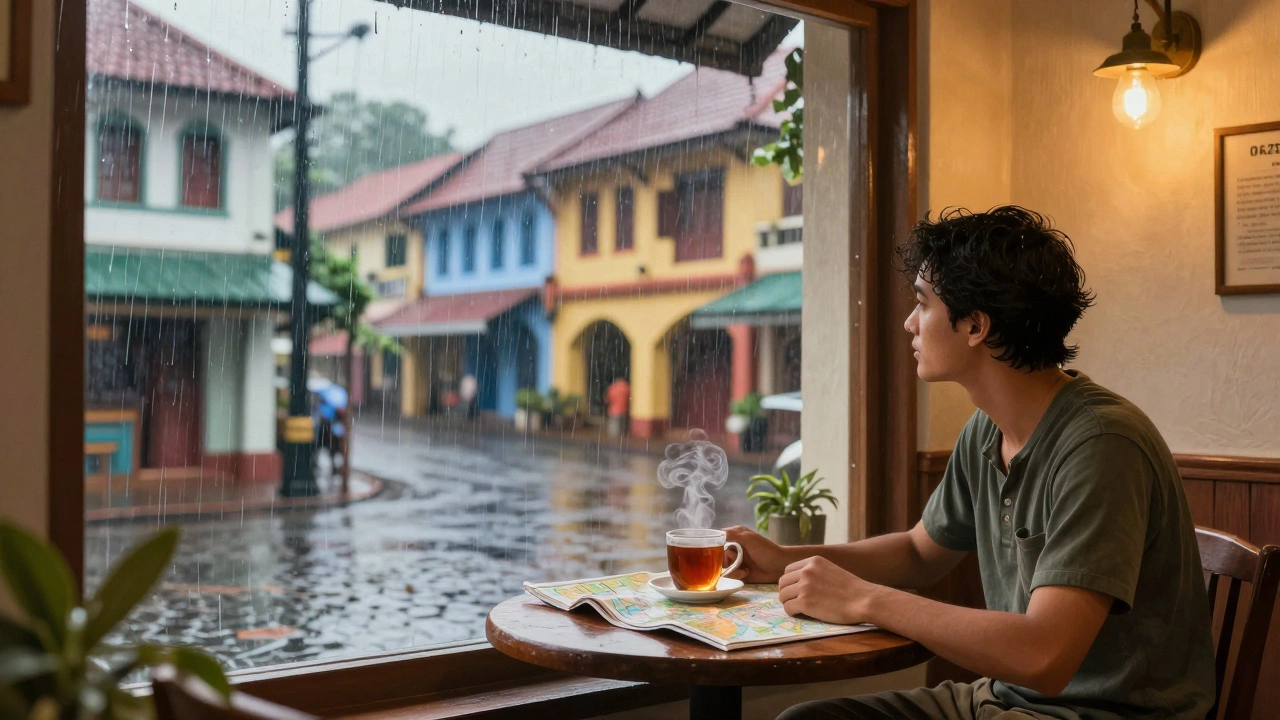
For the average tourist staying in Alleppey, Munnar town, or Kochi, the rain is an inconvenience, not a threat. Roads may get slippery. Ferries might be delayed. But the cities function normally. The key is flexibility. If you book rigid, non-refundable tours, you will stress. If you keep your itinerary loose, the rain becomes part of the charm-think cozy cafes in Fort Kochi and lush greenery that pops with intensity after a storm.
| Region | Risk Level | Primary Concern | Safety Tip |
|---|---|---|---|
| Kochi & Ernakulam | Low | Traffic, Petty Theft | Use app-based cabs (Ola/Uber); avoid walking alone late at night in isolated alleys. |
| Munnar | Medium | Landslides, Leeches | Check IMD alerts daily; wear long pants; stick to main roads. |
| Alleppey (Backwaters) | Low-Medium | Flooding, Water Quality | Book houseboats with recent safety certifications; drink only bottled water. |
| Wayanad | Medium-High | Landslides, Wildlife | Avoid trekking into forests during rain; heed park ranger warnings. |
Crime and Personal Security
Let’s address the elephant in the room: Crime. Compared to North Indian metros like Delhi or Mumbai, Kerala has a remarkably low rate of violent crime against tourists. The state has one of the highest literacy rates in India and a strong social fabric. Locals are generally hospitable and used to seeing foreigners. You won’t feel constantly watched or harassed in most tourist hubs.
However, petty crime exists everywhere. Pickpocketing can occur in crowded markets like Jew Town in Kochi or during temple festivals. Scams targeting tourists-such as overcharging for taxis or fake tour guides-are more common than theft. To stay safe:
- Use registered transport: Always use Ola, Uber, or KSRTC buses. Avoid hailing random auto-rickshaws without agreeing on a price first, though metered autos are becoming more common in major towns.
- Keep valuables discreet: Don’t flash expensive cameras or jewelry in public spaces. Use hotel safes for passports and extra cash.
- Trust your gut: If a situation feels off, leave. Most Keralites are helpful, but if someone is overly pushy, politely disengage.
For solo female travelers, Kerala is widely considered one of the safer destinations in India. Women walk around freely in cities like Thiruvananthapuram and Kochi. That said, cultural norms still apply. Dress modestly when visiting temples (shoulders and knees covered) and avoid walking alone in remote rural areas late at night. Harassment does happen, but it is less frequent than in other parts of the country. Staying in well-reviewed hostels or hotels adds another layer of security.
Health and Hygiene: The Invisible Risks
In my experience, the biggest threat to your safety in Kerala isn’t a mugging-it’s your stomach. The tropical climate and heavy rains create ideal conditions for bacteria and viruses. "Delhi Belly" happens here too, often called "Kerala Tummy."
To protect yourself:
- Water discipline: Never drink tap water. Even brushing your teeth with bottled water is wise if you have a sensitive stomach. Ice cubes in drinks are risky unless you’re at a high-end hotel that uses filtered ice.
- Food choices: Street food is delicious but risky during monsoons. Stick to freshly cooked, hot meals. Avoid raw salads and fruits you haven’t peeled yourself. Local seafood is famous, but ensure it’s cooked thoroughly.
- Mosquito protection: July is peak mosquito season. Dengue and malaria cases rise during the monsoon. Use DEET-based repellent, wear long sleeves in the evenings, and sleep under nets if your accommodation doesn’t have AC or screens.
Carry a basic medical kit with oral rehydration salts, anti-diarrheal medication, and antiseptic wipes. Pharmacies are ubiquitous in Kerala, but getting lost in a downpour while looking for one is no fun.
Political Climate and Civil Unrest
India is a democracy with active political movements. Protests and strikes (bandhs) do occur. In July 2026, there are no widespread indications of large-scale civil unrest specifically targeting tourists. However, localized protests related to agriculture, labor rights, or regional politics can disrupt transport.If a bandh is announced, public transport like buses and trains may stop. Private vehicles might also be affected. Check local news sources like The Hindu or Manorama Online before heading out. Generally, these events are peaceful and resolve within a day. Tourists are rarely targeted, but being stuck in a city with no transport can be frustrating. Plan buffer days in your itinerary to account for potential delays.
Natural Hazards Beyond Rain
Kerala’s geography offers beauty but also hazards. Besides landslides, be aware of:
- Wildlife: Tiger reserves like Periyar and wildlife sanctuaries in Wayanad are home to elephants, tigers, and leopards. Never stray outside marked paths. Keep a safe distance from animals. Flash photography can agitate them.
- Marine safety: If you plan beach activities in Kovalam or Varkala, check flag signals. Red flags mean dangerous currents. Swimming is often prohibited during monsoon months due to rough seas and jellyfish blooms.
- Leeches: In hill stations like Munnar and Wayanad, leeches thrive in wet grass. They don’t carry disease, but their bites can bleed. Wear tight-fitting socks and trousers, and carry salt or tobacco paste to remove them if attached.
Practical Tips for a Safe Trip in July 2026
So, how do you actually travel safely? Here’s your action plan:
- Travel Insurance: Non-negotiable. Ensure it covers medical evacuation and trip cancellation due to weather. Given the monsoon, flight delays are possible.
- Local Connectivity: Buy a local SIM card (Airtel or Jio) upon arrival. Having mobile data allows you to use maps, call cabs, and access emergency numbers instantly.
- Emergency Numbers: Save 112 (all-in-one emergency number), 100 (police), and 108 (ambulance). Note your embassy’s contact details if you’re an international traveler.
- Accommodation Choice: Stay in reputable hotels or homestays with good reviews regarding safety and hygiene. Ask hosts about recent weather impacts in their area.
- Flexible Booking: Choose refundable flights and hotels. Monsoon plans change hourly.
Finally, respect local culture. Kerala is conservative in many rural areas. Asking permission before photographing people, dressing appropriately, and showing interest in local traditions will earn you goodwill. Locals are quick to help those who show respect.
Conclusion: Go, But Be Smart
Is Kerala safe to visit in July 2026? Absolutely. It’s not a war zone. It’s not a lawless frontier. It’s a modern, literate Indian state dealing with heavy rain. The risks are manageable with preparation. You’ll trade sunny beaches for misty mountains and crowded sightseeing for quiet, reflective moments. If you embrace the unpredictability, you’ll discover a side of Kerala that few tourists see-the raw, green, resilient heart of South India. Just pack your raincoat, watch your step, and enjoy the journey.
Is it safe to swim in Kerala beaches in July?
Generally, no. July is peak monsoon season, and sea conditions are rough with strong currents and waves. Many beaches display red flags prohibiting swimming. Jellyfish are also more common. Enjoy the view and the sound of the waves, but avoid entering the water.
Are there any travel restrictions in Kerala in 2026?
There are no blanket travel bans for tourists. However, specific forest areas or landslide-prone roads may be temporarily closed by authorities. Always check local news and follow instructions from police and park rangers. International visitors should ensure their visas are valid and registered if required.
How do I avoid food poisoning in Kerala?
Stick to bottled water, even for brushing teeth. Eat only freshly cooked, hot food. Avoid raw vegetables, unpeeled fruits, and street food during heavy rains. Choose restaurants with high turnover and good hygiene ratings. Carry oral rehydration salts and anti-diarrheal meds.
Is Kerala safe for solo female travelers?
Yes, Kerala is one of the safer states in India for solo women. Violent crime against tourists is rare. However, exercise standard precautions: dress modestly, avoid isolated areas at night, use app-based cabs, and stay in well-reviewed accommodations. Trust your instincts and inform someone of your whereabouts.
What should I do if a landslide warning is issued?
Take it seriously. Evacuate immediately if instructed. Do not attempt to drive through blocked roads. Move to higher ground if you are in a valley. Contact your hotel management or local police for guidance. Monitor local news channels for updates on road closures and rescue operations.
Do I need special vaccinations for Kerala in July?
Standard vaccines (Hepatitis A, Typhoid) are recommended. Since July is dengue season, consult your doctor about preventive measures, though there is no vaccine widely available for all serotypes. Malaria prophylaxis may be advised for visits to deep forest areas. Check current CDC or WHO guidelines before traveling.