India Safety Readiness Calculator
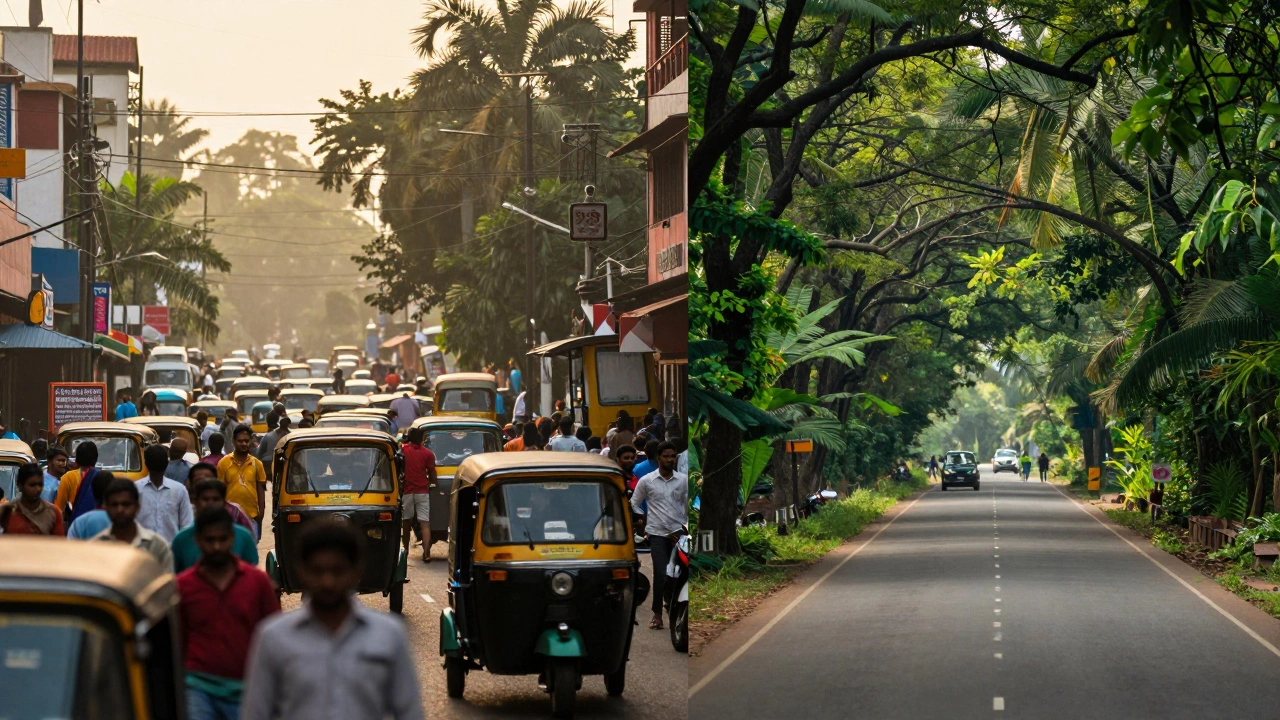
Walking down a busy street in Mumbai, you might feel the chaotic energy of millions. Now picture yourself on the quiet, tree-lined roads of Kerala. Which one feels safer? If you are planning a trip to India in 2026, this is likely the first question running through your head. The internet is full of conflicting stories. Some say the North is dangerous; others swear by the hospitality of the South. But here is the truth: neither region is inherently "unsafe" if you know how to navigate it.
Safety in India isn't just about crime rates. It's about cultural awareness, infrastructure quality, and knowing where to look out for common tourist traps. As someone who has traveled extensively across both regions, I can tell you that the difference often comes down to how you travel rather than where you go. Let's break down the real factors affecting your safety in North and South India so you can plan a stress-free trip.
Understanding the Cultural Divide
To understand safety, you first need to understand the vibe. North India, which includes states like Uttar Pradesh, Rajasthan, and Delhi, tends to be more intense. The pace is faster, the crowds are denser, and the interactions can feel more aggressive at first glance. This doesn't mean people are mean-they are often just hurried or dealing with high-pressure environments.
In contrast, South India, covering Kerala, Tamil Nadu, Karnataka, and Andhra Pradesh, generally operates at a slower, more relaxed rhythm. The language barrier can sometimes be higher because English proficiency varies more widely outside major cities compared to the North, but the general demeanor is often perceived as calmer and more reserved.
This cultural difference impacts your sense of safety. In the North, you might face constant touts trying to sell you things or guide services. While annoying, this is rarely physically dangerous. In the South, you might find fewer hustlers, but you could also encounter less immediate help if you get lost in rural areas due to lower English usage.
Street Harassment and Solo Female Travel
If you are a solo female traveler, this is probably your biggest concern. Let's address it directly. Both regions have issues with staring and occasional harassment. However, the nature differs.
In major Northern hubs like Delhi and Agra, reports of verbal harassment and unwanted attention are higher. The sheer density of population means you are constantly surrounded by eyes. Many women report feeling uncomfortable walking alone at night in these cities.
Kerala and parts of Tamil Nadu are often cited as safer for solo women. The social fabric here places a strong emphasis on community respect. That said, "safe" does not mean "risk-free." Staring happens everywhere in India. The key is confidence. Wear modest clothing, avoid isolated areas after dark, and trust your gut. If a situation feels off, leave immediately. There are no exceptions to this rule.
Scams and Tourist Traps
Financial safety is often overlooked but crucial. Scams are prevalent in both North and South India, but they take different forms.
In the North, particularly around the Golden Triangle (Delhi, Agra, Jaipur), you will encounter aggressive touts. They might offer "special deals" on jewelry, carpets, or tours. The classic scam involves being taken to a shop where prices are inflated tenfold. Another common trick is the "closed temple" lie, where a stranger tells you a famous site is closed today and offers an alternative route-usually leading to a commission-based shop.
In the South, scams are less aggressive but can be more subtle. You might encounter overcharging in auto-rickshaws if you don't insist on using the meter or agree on a price beforehand. In places like Goa (which is technically West India but shares some Southern traits) or coastal areas, drink spiking is a rare but serious risk during peak party seasons. Always keep your drink within sight.
| Factor | North India | South India |
|---|---|---|
| Harassment Level | Moderate to High (Verbal) | Low to Moderate |
| Scam Aggressiveness | High (Aggressive Touts) | Low (Subtle Overcharging) |
| Night Safety | Poor in crowded cities | Better in most towns |
| Language Barrier | Lower (More English speakers) | Higher (Regional languages dominate) |
| Infrastructure | Mixed (Chaos in cities) | Generally Better (Cleaner streets) |
Health and Hygiene: The Hidden Safety Risk
We often forget that health is part of safety. Getting sick while traveling can ruin your trip and put you in vulnerable situations. Historically, North India has had poorer sanitation standards compared to the South. Cities like Delhi struggle with air pollution and waste management issues.
South Indian states, especially Kerala and Tamil Nadu, have invested heavily in public health and cleanliness. The streets are cleaner, and tap water quality (though still not recommended for drinking without filtration) is generally better managed. This means your risk of contracting traveler's diarrhea or respiratory issues is statistically lower in the South.
Regardless of where you go, follow these rules:
- Drink only bottled or filtered water.
- Avoid ice cubes in drinks unless you know the source.
- Eat hot, freshly cooked food. Avoid raw salads and unpeeled fruits from street vendors.
- Carry a basic medical kit including oral rehydration salts.
Transportation Safety
How you move around significantly impacts your safety. In North India, traffic is notoriously chaotic. Drivers often ignore lane discipline, and pedestrians share the road with vehicles unpredictably. Crossing the street requires vigilance and steady eye contact with drivers.
South India generally has better road infrastructure. Highway conditions between major cities like Bangalore, Chennai, and Hyderabad are excellent. Public transport, such as the metro systems in Bengaluru and Chennai, is clean, efficient, and safe. However, rural bus travel can be risky in both regions due to speeding and poor maintenance. Stick to reputable operators like KSRTC in Kerala or state-run buses in Tamil Nadu.
If you hire private drivers, ensure they are licensed and recommended by your hotel. Never accept rides from strangers offering lifts on the highway, regardless of the region.
Political Stability and Protests
India is a democracy, and protests happen frequently. These can disrupt travel plans and occasionally turn violent. In recent years, political tensions have been visible in both the North and the South.
The North, particularly Delhi, sees more frequent large-scale demonstrations. While most are peaceful, they can lead to sudden curfews or airspace closures. The South has seen its share of unrest, often related to local governance or agricultural issues, but these tend to be more localized.
Your best defense is staying informed. Check local news apps before heading out. Avoid large gatherings of any kind. If you see police lines forming, turn around immediately. Do not try to photograph protests; this can escalate the situation.
Practical Tips for a Safe Trip
No matter which side of India you choose, these practical steps will keep you safe:
- Dress Modestly: Cover your shoulders and knees. This reduces unwanted attention and shows respect for local culture.
- Use Reputable Apps: Use Uber or Ola for rides instead of hailing random taxis. This creates a digital trail and ensures fair pricing.
- Share Your Location: Send your live location to a trusted friend or family member back home.
- Keep Copies of Documents: Carry photocopies of your passport and visa. Keep the originals in a hotel safe.
- Be Confident: Walk with purpose. Uncertainty makes you a target for scammers. If asked for directions, point confidently even if you aren't sure-it discourages further engagement.
- Respect Local Norms: Ask permission before taking photos of people, especially in rural areas.
Which Should You Choose?
If this is your first time in India, South India might feel easier to handle. The infrastructure is smoother, the heat is more manageable in many coastal areas, and the overall vibe is less overwhelming. Places like Munnar, Coonoor, and Alleppey offer beautiful scenery with a lower stress threshold.
However, do not let fear keep you out of the North. Rajasthan and Himachal Pradesh are incredibly rewarding. The history, architecture, and warmth of the people are unmatched. With proper preparation and a cautious mindset, you can safely explore the Taj Mahal, the Red Fort, and the Himalayan foothills.
Ultimately, safety is about preparation. Research your destinations, stay aware of your surroundings, and engage with locals respectfully. India is a land of contrasts, but it is also a land of incredible hospitality. By understanding the nuances between North and South, you can tailor your journey to match your comfort level and enjoy a truly unforgettable experience.
Is it safe for tourists to visit Delhi?
Yes, Delhi is safe for tourists, but it requires caution. Stick to well-lit, populated areas, use app-based cabs, and avoid displaying expensive electronics openly. Daytime visits to major monuments are generally very safe.
Can I drink tap water in South India?
No, you should not drink tap water anywhere in India, including the South. Even though water quality is better in the South, it may still contain bacteria unfamiliar to your system. Stick to sealed bottled water or purified water.
Are auto-rickshaws safe in North India?
Auto-rickshaws are safe transportation, but be wary of drivers refusing to use the meter. Insist on using the meter or agree on a fare before getting in. Using ride-hailing apps like Ola or Uber is often safer and more transparent.
What should I do if I am harassed on the street?
Ignore the harasser and keep walking. Do not engage or argue. Move towards a crowded area, a police station, or a reputable hotel. If you feel threatened, call the local emergency number (112) or seek help from nearby shopkeepers.
Is Kerala safe for solo female travelers?
Kerala is considered one of the safest destinations in India for solo female travelers. The state has high literacy rates and strong community values. However, standard precautions like avoiding isolated areas at night and dressing modestly still apply.
Do I need travel insurance for India?
Yes, travel insurance is highly recommended. It covers medical emergencies, trip cancellations, and lost luggage. Given the potential for health issues like stomach bugs, having coverage for medical treatment is essential.