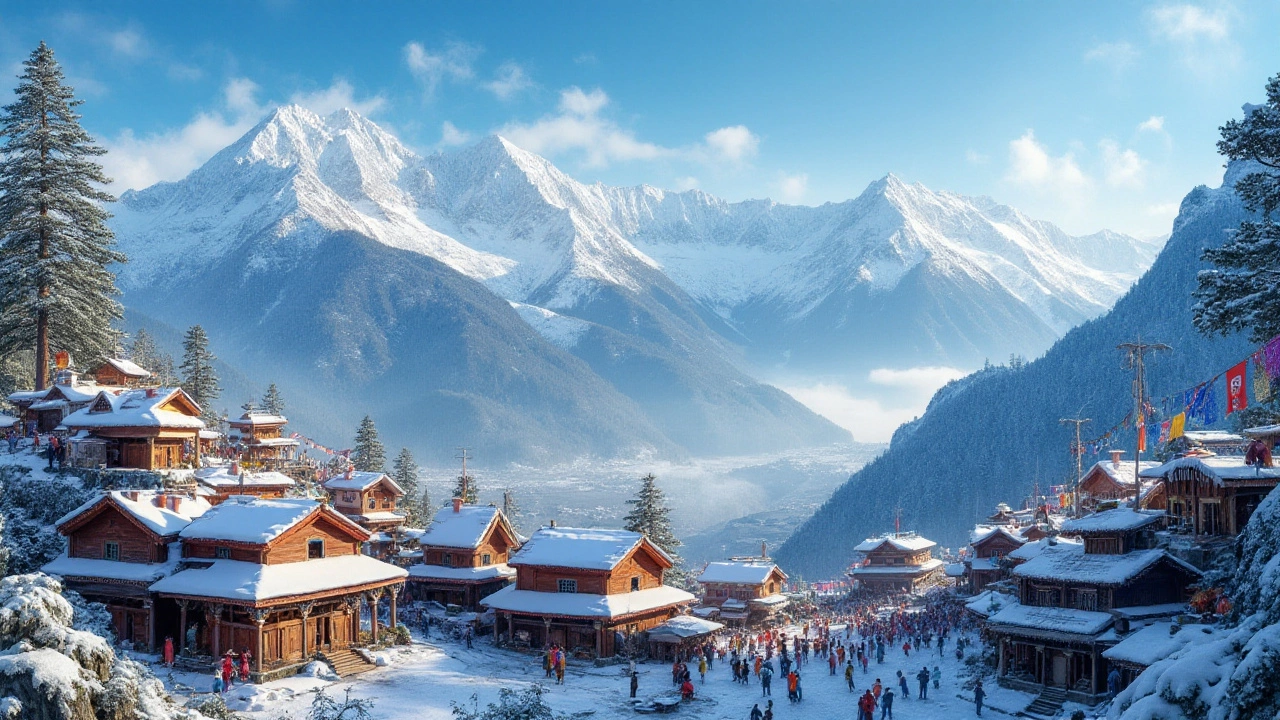
Cold in North India: What to Expect and How to Prepare
When you think of cold in North India, the extreme winter temperatures experienced across the northern plains and Himalayan regions of India. Also known as North Indian winter, it’s not just chilly—it’s the kind of cold that freezes water in your bottle overnight and makes your fingers numb before you even start your bike. This isn’t the mild winter you might find in southern states. Places like Leh, Manali, and even Delhi can drop below freezing, especially from December to February. If you’re planning a bike trip here, treating it like a regular Indian journey will leave you stranded—or worse, sick.
The Himalayan weather, the high-altitude climate system that brings extreme cold, thin air, and sudden snowfall to northern India is a whole different game. Roads near Zoji La or Rohtang Pass can close without warning. Temperatures in Ladakh regularly hit -20°C, and wind chill makes it feel worse. Even in the plains, morning fog in Uttar Pradesh or Punjab can reduce visibility to near zero. You can’t just wear a jacket and hope for the best. You need layers, thermal gear, and a bike that can handle the chill.
Many travelers don’t realize how much the cold in North India, a seasonal climate pattern that impacts travel logistics, vehicle performance, and personal safety affects more than just comfort. Bike engines struggle to start in freezing temps. Fuel lines can freeze. Gloves that work in Kerala won’t cut it here. You’ll need heated grips, insulated riding gear, and a plan for overnight stops where you can warm up. And yes—some routes are simply unsafe in January. The same roads you’d ride in October might be buried under snow.
But it’s not all hardship. Winter in North India means empty roads, clear skies over the mountains, and the chance to ride past frozen rivers and quiet monasteries without crowds. The cold doesn’t stop adventure—it just changes how you do it. The posts below give you real, practical advice: what to pack, which routes are rideable, how to keep your bike running, and where to find warmth when you need it. You’ll see what others learned the hard way—so you don’t have to.