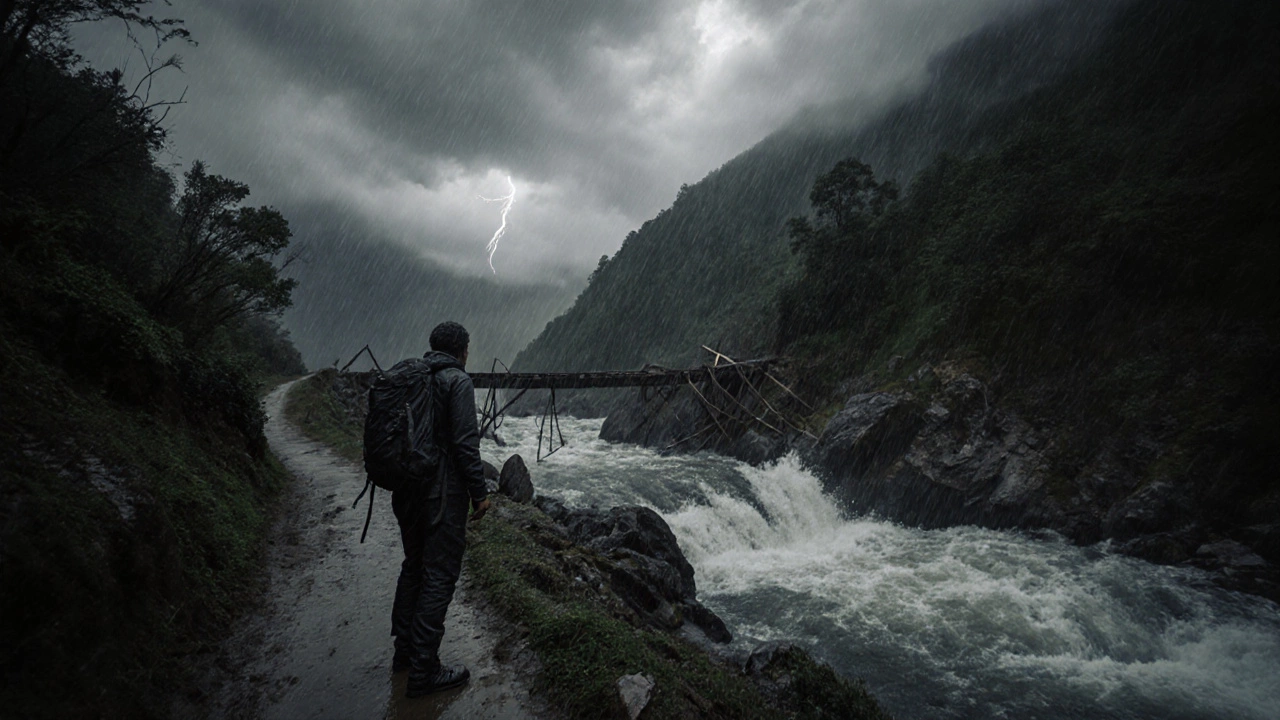
Dangerous Trekking Situations: Real Risks and How to Stay Safe on India’s Trails
When you’re hiking in the Himalayas or crossing remote trails in Ladakh, dangerous trekking situations, unexpected events that can turn a peaceful hike into a life-threatening emergency aren’t just stories—they’re realities. Many travelers underestimate how quickly things can go wrong: a sudden storm, a misstep on loose rock, or altitude sickness creeping in before you even realize it. These aren’t rare outliers. In 2023, over 1,200 rescue operations were conducted in Uttarakhand alone, mostly involving trekkers who didn’t prepare for basic risks.
High altitude risks, health threats caused by low oxygen levels above 2,500 meters are the most common silent killer on Indian trails. You might feel fine at 3,000 meters, but by 4,500, your body starts shutting down—headaches, nausea, confusion. People ignore these signs because they think, ‘I’m fit, I’ll push through.’ But fitness doesn’t protect you from altitude sickness. Mountain hazards, unpredictable terrain, falling rocks, and unstable paths add another layer. In places like Roopkund or Kedarkantha, trails vanish under snow, and one wrong step can mean a 30-meter drop. Weather changes faster than your phone can load a map. One minute it’s sunny, the next you’re in a whiteout with zero visibility.
What makes these situations worse is isolation. Many treks start from small villages with no cell service. If you get hurt or lost, help might be hours—or days—away. You can’t rely on apps or GPS alone. A broken phone, a drained battery, or a wrong turn in fog can turn a two-day hike into a survival ordeal. Even experienced trekkers have been caught off guard by flash floods in the Western Ghats or sudden landslides in Himachal. The key isn’t avoiding risk—it’s recognizing it early and having a plan.
There’s no magic gear that makes you safe. But there are simple habits that save lives: always tell someone your route and expected return time, carry a whistle and a headlamp, never hike alone, and know the signs of altitude sickness before you even start climbing. Pack extra layers—even in summer, nights at 4,000 meters freeze you solid. Drink water constantly. Eat small snacks every hour. Don’t wait until you’re exhausted to rest. These aren’t tips from a guidebook—they’re lessons learned from people who made it back.
Below, you’ll find real stories and practical advice from travelers who’ve faced these dangers head-on. Some survived by luck. Others by preparation. All of them walked away with a deeper respect for the mountains. Whether you’re planning a weekend trek in Kerala or a multi-day climb in Ladakh, these posts will help you spot trouble before it finds you.