Delhi Safety: What Tourists Need to Know Before Riding in India’s Capital
When you rent a bike in Delhi, India’s bustling capital and a major entry point for travelers exploring North India on two wheels. Also known as the National Capital Territory, it’s a city of contrasts—ancient forts next to neon-lit markets, quiet lanes right beside chaotic intersections. Riding here isn’t like riding in a quiet town. It’s intense, unpredictable, and surprisingly manageable if you know what to expect.
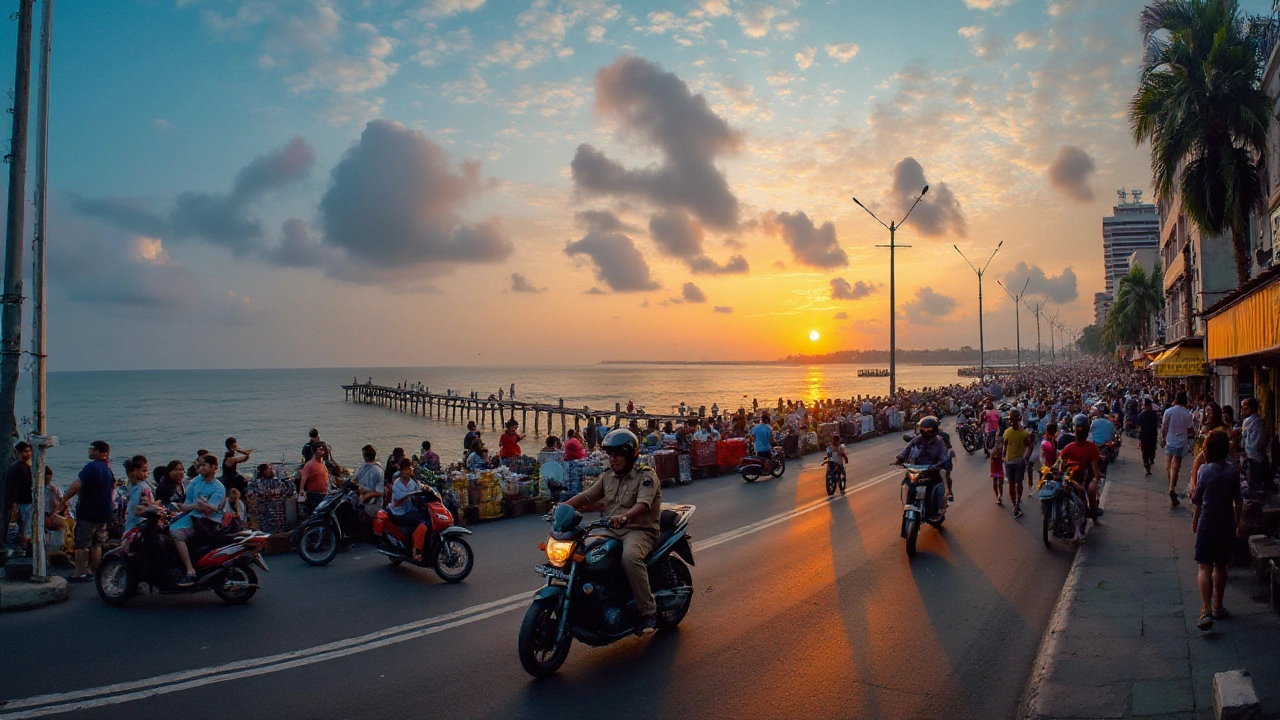
Delhi’s traffic, a mix of scooters, rickshaws, trucks, cows, and pedestrians moving in every direction at once is the biggest challenge. No one follows lanes strictly. Horns don’t mean "move over"—they mean "I’m here." You can’t assume drivers will signal. At intersections, it’s not about who has the right of way—it’s about who moves first. The key? Ride slow, stay visible, and never assume someone will stop for you. Most tourists panic at first, but after a few rides, they learn to flow with the chaos, not fight it.
Petty theft, especially targeting tourists on bikes is real but avoidable. Don’t leave your helmet or bag unattended at temples or roadside stalls. Pickpockets work in crowds, and phone snatching happens near tourist spots like India Gate or Connaught Place. Use a lock on your bike—even if it’s just a cable lock. Most rental shops give you one. If they don’t, ask for one. Don’t ride with valuables in your jacket pockets. Keep your phone in a zippered bag, and never use it while stopped at traffic lights.
Women riding alone in Delhi face extra scrutiny, but it’s not impossible. Dress modestly—not because Delhi is dangerous, but because it helps you blend in and avoid unwanted attention. Stick to well-lit, busy roads during daylight. Avoid riding alone after dark unless you know the route. Many female riders report feeling safer on bikes than in taxis, because they control their speed and route. Just stay aware. If someone follows you too closely, turn into a busy shop or gas station. Locals are usually helpful if you ask.
Delhi’s air quality, especially in winter can be rough. If you have asthma or sensitive lungs, wear a mask. Pollution hits harder when you’re riding. The good news? Most rental bikes come with helmets, and many shops now offer N95 masks too. Bring your own if you can. It’s worth it.
What you won’t find in guidebooks? The quiet backstreets where locals ride. Ask your rental shop where they go after work. They’ll show you routes that avoid the main highways—narrow lanes past old havelis, markets with chai stalls, parks where families ride at sunset. These are the safest, most beautiful parts of Delhi. The big tourist roads? They’re loud, crowded, and stressful. The hidden ones? They’re where you’ll remember Delhi for years.
You’ll see stories online about Delhi being dangerous. But the truth? Most accidents happen because people expect it to be like Europe or the US. It’s not. It’s India. And if you ride with awareness, not fear, you’ll find it’s one of the most rewarding places to explore on two wheels. The real danger isn’t the city—it’s underestimating it.
Below, you’ll find real stories from riders who’ve been there—what they did right, what they wish they’d known, and how to avoid the mistakes that turn a trip into a nightmare. Whether you’re planning your first ride or your tenth, these tips will save you time, stress, and maybe even your phone.