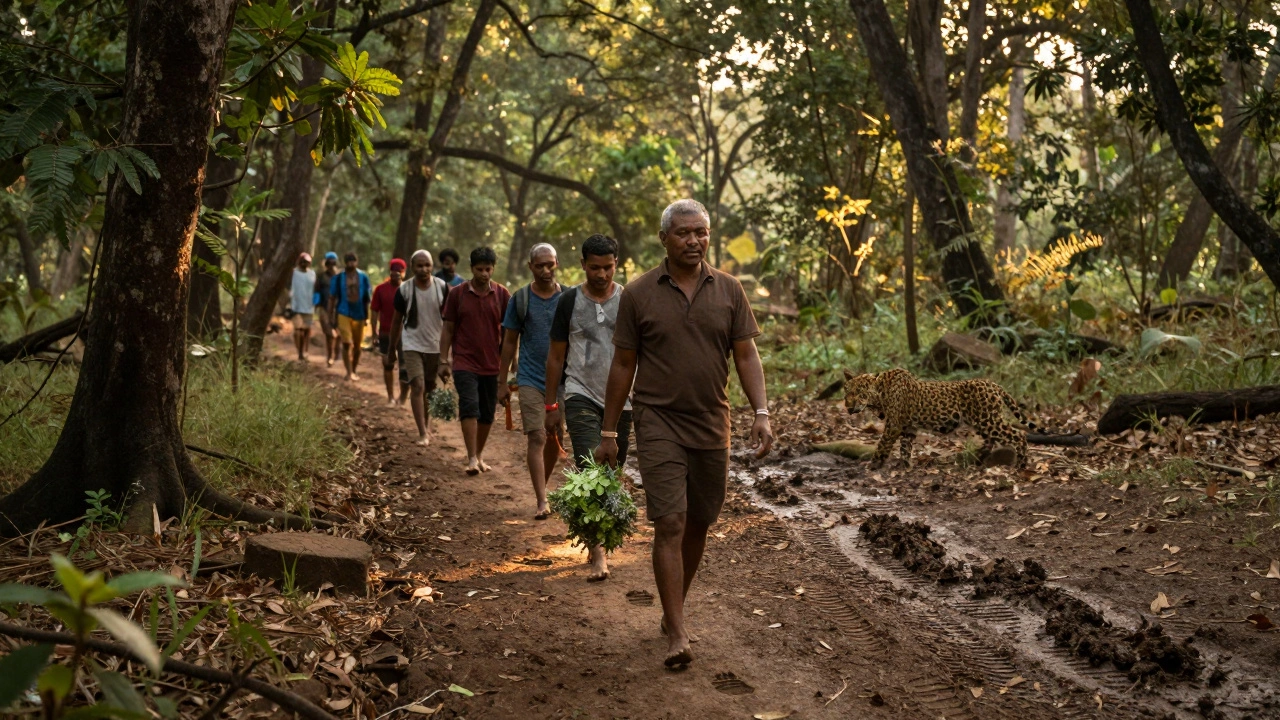
Gond Tribe: Culture, Traditions, and Life in Central India
When you think of India’s tribal communities, the Gond tribe, one of India’s largest and oldest indigenous groups, primarily living in the forests and hills of Madhya Pradesh, Maharashtra, Chhattisgarh, and Odisha. Also known as Gonds, they’ve shaped the land, language, and art of central India for thousands of years. Unlike many tribes that have faded into history, the Gond continue to live by their own rules—governing villages through councils, worshipping nature spirits, and passing down stories through song and painting.
Their world revolves around the forest. They don’t just live in it—they see it as alive. Trees, rivers, and mountains aren’t just resources; they’re ancestors. Their Gond art, a vibrant, dot-and-line style of painting that tells myths and daily life, is now celebrated worldwide. But it started as a ritual—drawn on walls to honor the earth and ask for good harvests. This art isn’t decoration. It’s memory. It’s prayer. And it’s still made the same way today: with natural pigments, bamboo brushes, and hands that learned from their grandmothers.
They speak Gondi language, a Dravidian tongue with no written script until recently, spoken by over two million people. Many Gond children grow up speaking Gondi at home and Hindi at school. But the language is fading. Younger generations are moving to cities for work, and elders worry the stories won’t survive. Still, some villages are fighting back—starting community schools where kids learn Gondi songs and history alongside math and science.
What makes the Gond different isn’t just their art or language—it’s their independence. They’ve never been fully conquered. Even under British rule, they resisted. Their uprisings in the 1800s were some of the earliest tribal revolts against colonial control. Today, they still manage their own land, marry within their clans, and hold festivals that last for days. One of the biggest is Gondwana, where they dance under the stars, beat drums made from hollowed-out trees, and offer rice to their gods.
You won’t find the Gond tribe in most tourist brochures. But if you travel through the forests of Chhattisgarh or the hills of Madhya Pradesh, you’ll see them—women carrying firewood on their heads, men repairing bamboo fences, children drawing patterns on mud walls. They don’t perform for cameras. They live. And in that living, they keep alive something most of the world has lost: a deep, quiet connection to the earth.
What you’ll find in the posts below aren’t just travel tips or cultural facts. They’re real glimpses—into how the Gond live, what they believe, and how their world is changing. Some posts talk about their art showing up in modern galleries. Others reveal how tourism is both helping and hurting their villages. There’s no sugarcoating. Just truth. And if you’ve ever wondered what it means to live outside the system, these stories will show you.