Hiking Safety India: Essential Tips for Trekking in the Himalayas and Beyond
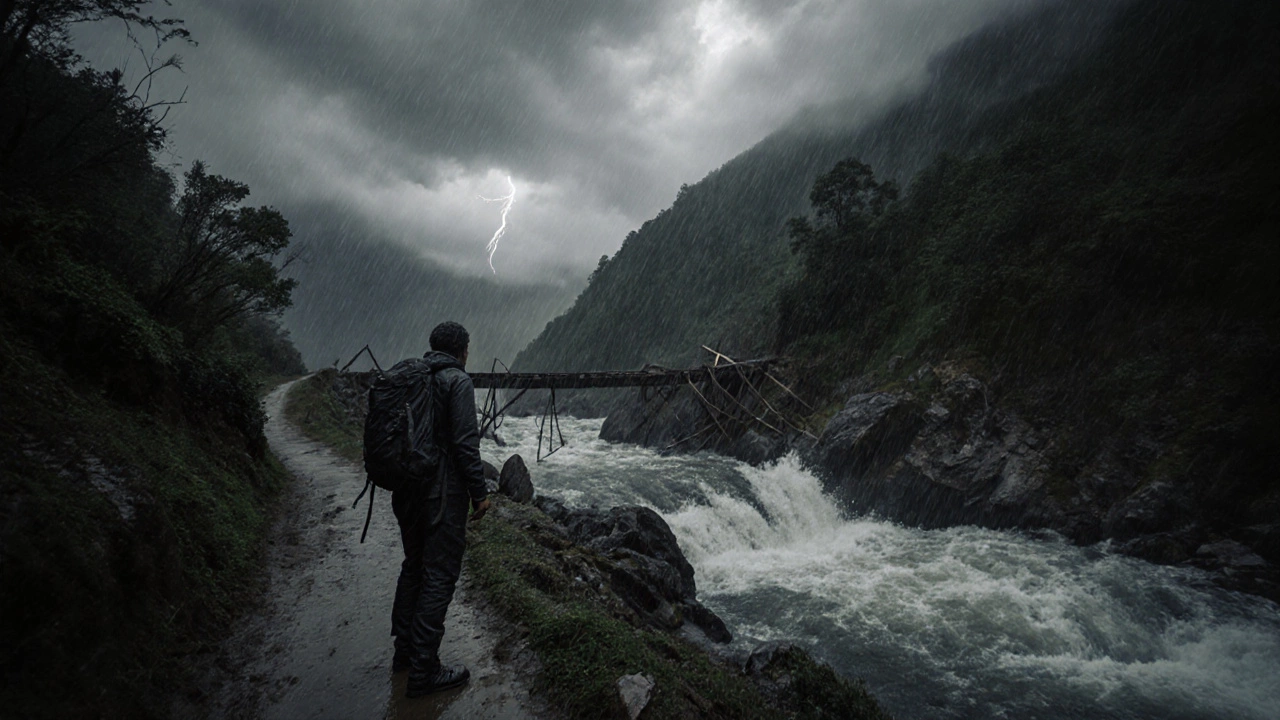
When you’re hiking in India, you’re not just walking through mountains—you’re stepping into places where weather changes in minutes, trails disappear under rockfall, and help might be hours away. hiking safety India, the set of practices and awareness needed to survive and enjoy treks across India’s rugged terrain. Also known as trekking safety India, it’s not about fear—it’s about knowing what to expect and how to prepare. Unlike well-marked trails in Europe or North America, many Indian hiking routes rely on local knowledge, seasonal conditions, and your own judgment. A wrong turn in Ladakh or a sudden monsoon in Kerala can turn a beautiful day into a dangerous one.
That’s why understanding altitude sickness, a common risk when hiking above 2,500 meters in places like Himachal Pradesh or Uttarakhand matters more than you think. It’s not just about feeling dizzy—it’s about recognizing when to stop, rest, or descend. local guides, people who know the trails, weather patterns, and hidden dangers better than any map aren’t a luxury—they’re your best insurance. Many trekkers skip them to save money, only to get lost, dehydrated, or stranded. And don’t assume all trails are safe in summer. The Western Ghats turn into slippery mudslides after rain, and in winter, Himalayan passes like Rohtang can close without warning.
You also need to think about gear. A good pair of boots isn’t optional—it’s the difference between a blister and a broken ankle. Carry at least two liters of water, even on short hikes. Many trails have no water sources, and what you find might be contaminated. Pack a basic first aid kit with painkillers, antiseptic, and oral rehydration salts. Don’t rely on phones—networks vanish beyond towns. A physical map and compass are still essential tools.
Respect local rules too. Some trails near temples or tribal lands require permits. Others ban plastic or require you to carry out all trash. Ignoring these isn’t just rude—it can get you fined or barred from future treks. And always tell someone your route and expected return time. In remote areas, that simple step has saved lives.
What you’ll find below are real stories, hard-won advice, and practical checklists from people who’ve hiked India’s toughest trails—and lived to tell it. Whether you’re planning a day walk in Coorg or a multi-day trek in Zanskar, these posts give you the no-fluff details you need to stay safe, prepared, and truly immersed in the landscape. No guesswork. Just what works.