Indian Beaches: Best Coastal Destinations and What Makes Them Unique
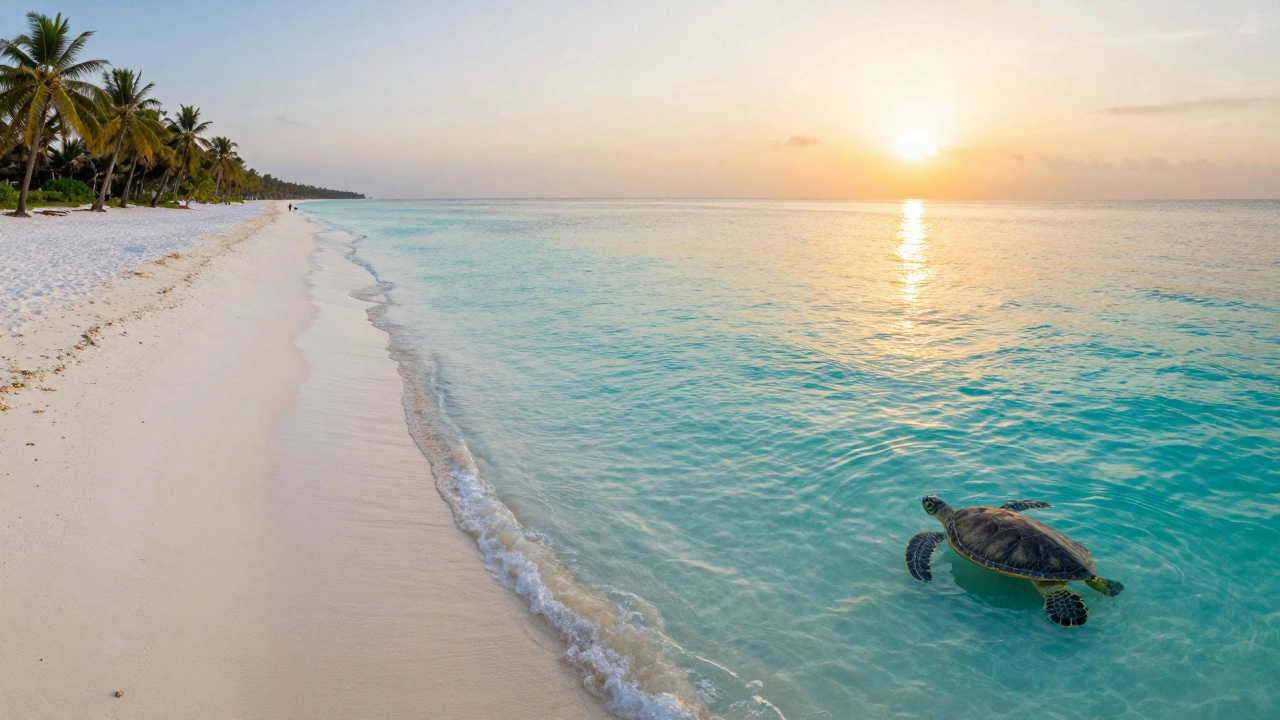
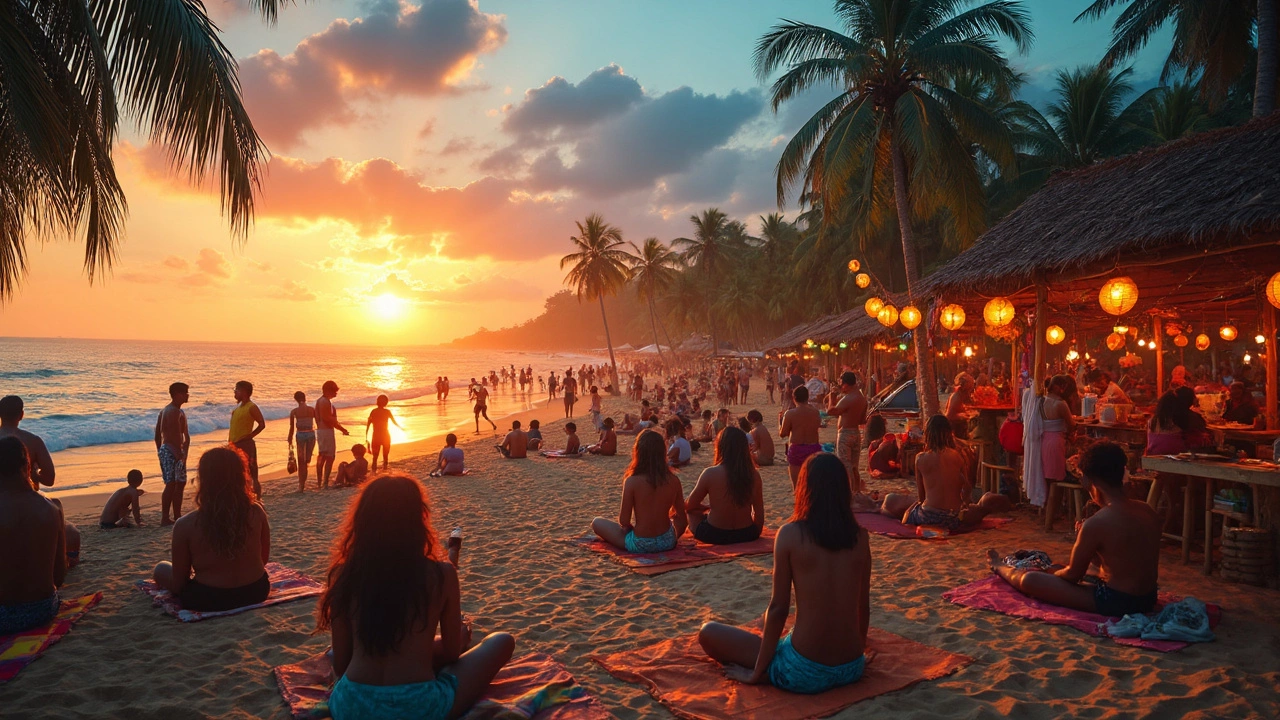
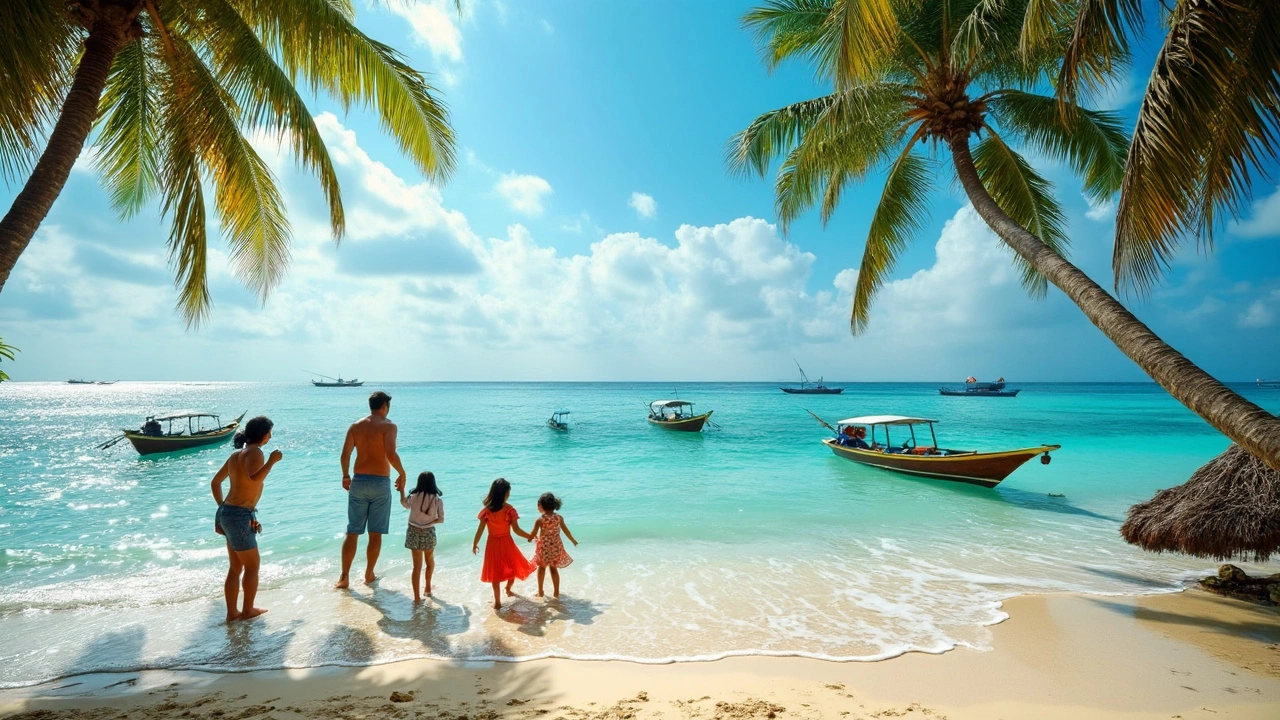
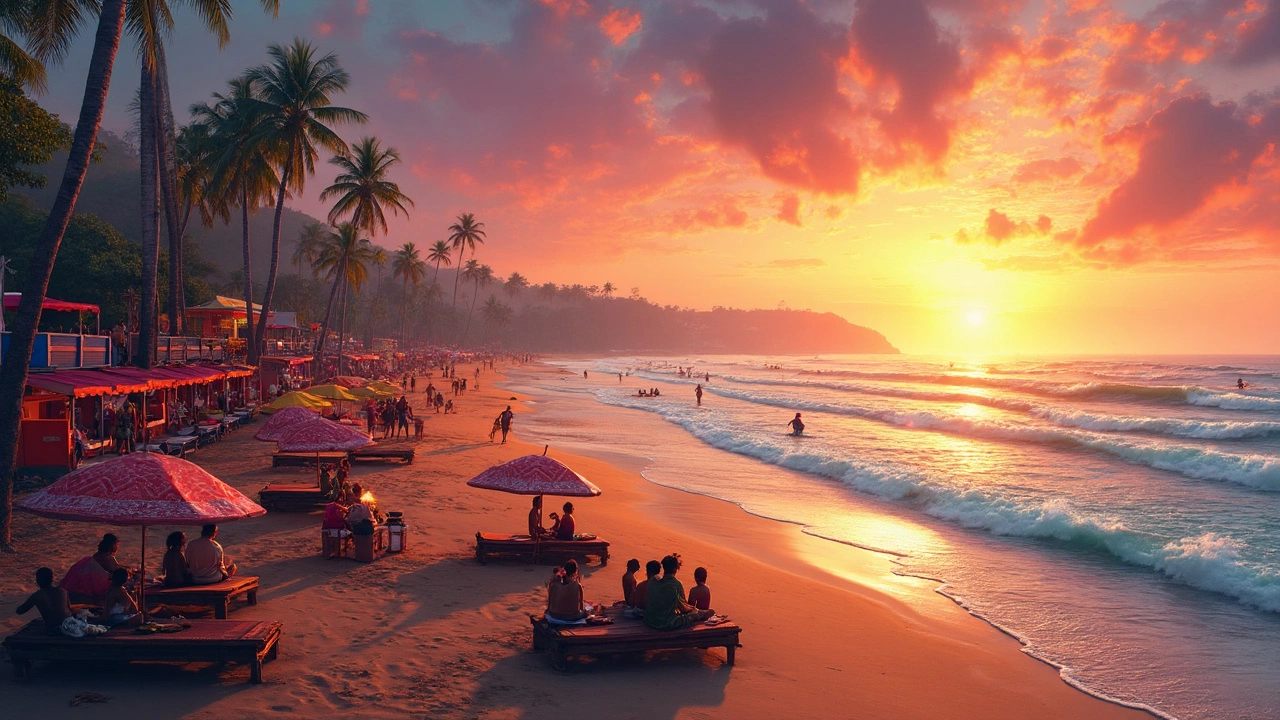
When you think of Indian beaches, coastal stretches in India that blend natural beauty with deep cultural roots, from quiet shores to vibrant seaside towns. Also known as India’s coastal gems, these beaches aren’t just about sand and sea—they’re where Hindu rituals meet ocean winds, where fishermen haul in the day’s catch before sunrise, and where travelers find peace without the tourist noise. Unlike the packed resorts of Bali or Phuket, Indian beaches keep their soul. You won’t find luxury chains lining every meter of shore. Instead, you’ll find barefoot yoga on Radhanagar’s white sand, the smell of coconut oil and incense drifting from Gokarna’s temples, and the quiet hum of fishing boats in Lakshadweep’s turquoise lagoons.
What makes these places special isn’t just the scenery—it’s how they connect to the land and people. Radhanagar Beach, on Havelock Island in the Andamans, consistently ranked among Asia’s top beaches for its clear water, soft sand, and lack of commercialization, feels like a secret even though it’s famous. Gokarna, a temple town on Karnataka’s coast where pilgrims and backpackers share the same stretch of shoreline, blends devotion with downtime—you can pray at dawn and surf by noon. And Lakshadweep, a chain of coral islands off Kerala’s coast, where water is so clear you can see fish from the boat and no cars are allowed, offers a rare kind of isolation. These aren’t just places to swim—they’re places to slow down, breathe, and remember why you left home.
What you’ll find in the posts below are real stories from travelers who’ve ridden bikes to these shores, slept under the stars, and learned how to avoid the traps that ruin the experience. You’ll see why South India draws more foreigners than any other region—not because it’s the fanciest, but because it’s the most genuine. There’s no filter here. Just salt air, local food, and beaches that don’t need to scream to be beautiful.