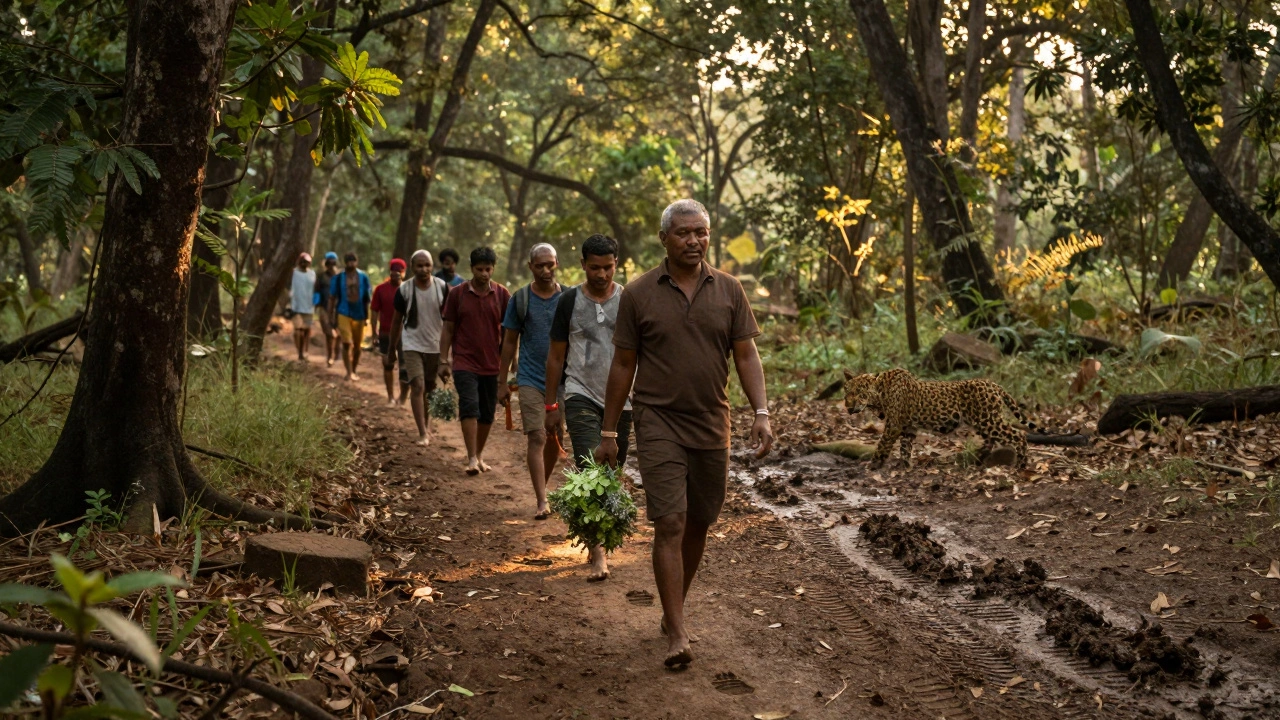
Indigenous Tribes in India: Culture, Life, and Travel Respect
When you think of India’s diversity, you might picture temples, tuk-tuks, or spice markets—but beneath it all live the indigenous tribes, original communities who’ve lived on this land for thousands of years, often far from tourist trails. Also known as tribal communities, they’re not relics of the past—they’re living cultures shaping identity, language, and land use across the country. These groups, like the Gonds in central India, the Mizo in the northeast, or the Santhals in Jharkhand, don’t just survive—they thrive with unique systems of farming, healing, storytelling, and governance that modern India still hasn’t fully understood.
Many of these communities live in places you might visit on a bike trip: the forests of Odisha, the hills of Arunachal Pradesh, the islands of the Andamans. But visiting their land doesn’t mean dropping in for photos. tribal culture is deeply tied to land, spirit, and ancestral memory, not performance for outsiders. You won’t find them posing for selfies. You’ll find them tending sacred groves, weaving patterns passed down for generations, or singing songs that map the stars. Their traditions aren’t entertainment—they’re survival. And when travelers ignore that, they don’t just offend—they harm.
tribal traditions include everything from ritual dances to forest-based medicine, and they’re often protected by law—but not always respected in practice. Some tribes restrict photography. Others ask visitors to leave shoes outside sacred spaces. A few still live without electricity, phones, or roads. Respecting that isn’t about being polite—it’s about being human. The same roads you ride on might lead to villages that haven’t changed in centuries. The same trails you hike might be sacred paths. The same rivers you drink from might be where their ancestors were buried.
This collection doesn’t sell exoticism. It doesn’t promise "authentic encounters" or "hidden tribes." It shows you real stories—how tribes interact with wildlife sanctuaries, how their land is threatened by tourism, how their voices are slowly being heard in conservation debates. You’ll find posts about Kerala’s contrast with Ladakh, where tribal life shapes the landscape differently in each region. You’ll see how temple etiquette in India mirrors tribal rules of reverence. You’ll learn why some areas draw more foreigners—and why that’s not always good news for the people who live there.
There’s no single way to understand indigenous tribes. But there is one rule that holds true everywhere: listen more than you look. If you ride through their land, don’t assume you’re a guest. Assume you’re a visitor in someone else’s home. And treat it that way.