Kumbh Mela: India’s Largest Religious Gathering and What You Need to Know
When you think of mass gatherings, you might picture concerts or sports finals. But nothing compares to the Kumbh Mela, a massive Hindu pilgrimage that rotates between four sacred river sites in India every three years. Also known as the Festival of the Pitcher, it’s not just a religious event—it’s a living tradition older than most modern nations, where faith moves in waves of millions.
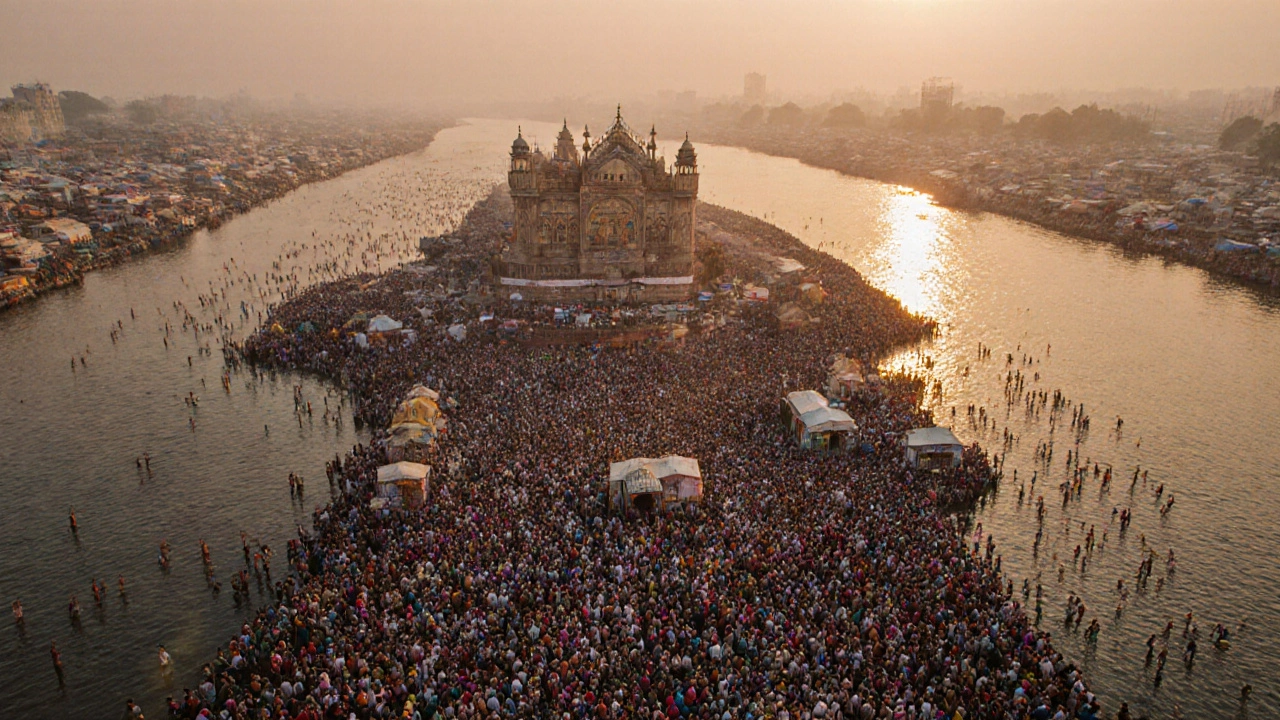
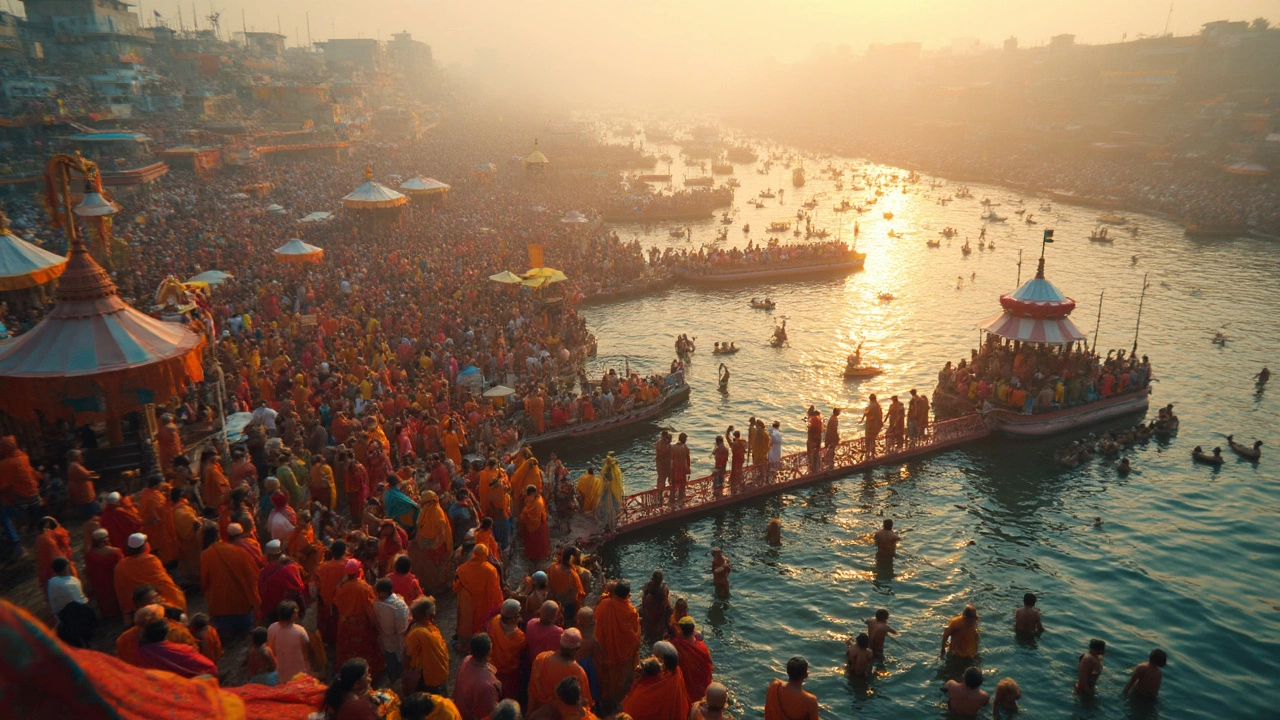
The Kumbh Mela happens in four places: Prayagraj (formerly Allahabad), Haridwar, Ujjain, and Nashik. Each location sits on a river considered holy in Hinduism—the Ganges, Yamuna, Shipra, and Godavari. Pilgrims come to bathe at the exact moment the planets align, believing it washes away sins and breaks the cycle of rebirth. It’s not about tourism. It’s about transformation. People walk for days, sleep on the ground, and wait in lines for hours just to touch the water. The scale is impossible to grasp until you’re there: over 100 million people in a single month. That’s more than the entire population of the UK.
What makes the Kumbh Mela different from other festivals is how it blends chaos and calm. You’ll see naked sadhus meditating in freezing rivers, families sharing meals under makeshift tents, and massive temporary cities built from scratch with roads, hospitals, and even police stations—all disappearing again after the event. It’s not organized by the government; it’s held together by faith, tradition, and the quiet cooperation of ordinary people. Even if you’re not Hindu, you can witness this with respect. Dress modestly. Don’t push through prayer lines. Ask before taking photos. This isn’t a theme park—it’s a sacred space.
Related to the Kumbh Mela are the Hindu pilgrimage, a spiritual journey to sacred sites believed to bring divine blessings, and the sadhus, ascetic holy men who renounce worldly life to pursue enlightenment. These aren’t side notes—they’re the heartbeat of the event. The Kumbh Mela also connects deeply to river worship, the ancient practice of honoring rivers as living deities in Indian culture. You’ll see this in the way people touch the water, offer flowers, and chant prayers. It’s not superstition. It’s a worldview.
If you’ve ever wondered why people travel thousands of miles just to dip in a river, the Kumbh Mela answers that. It’s not about the water itself. It’s about community, memory, and meaning. And if you’re planning to explore India on a bike, this might be the one time when the road leads you not to a temple, but to a sea of humanity—and a chance to witness something no guidebook can fully explain.