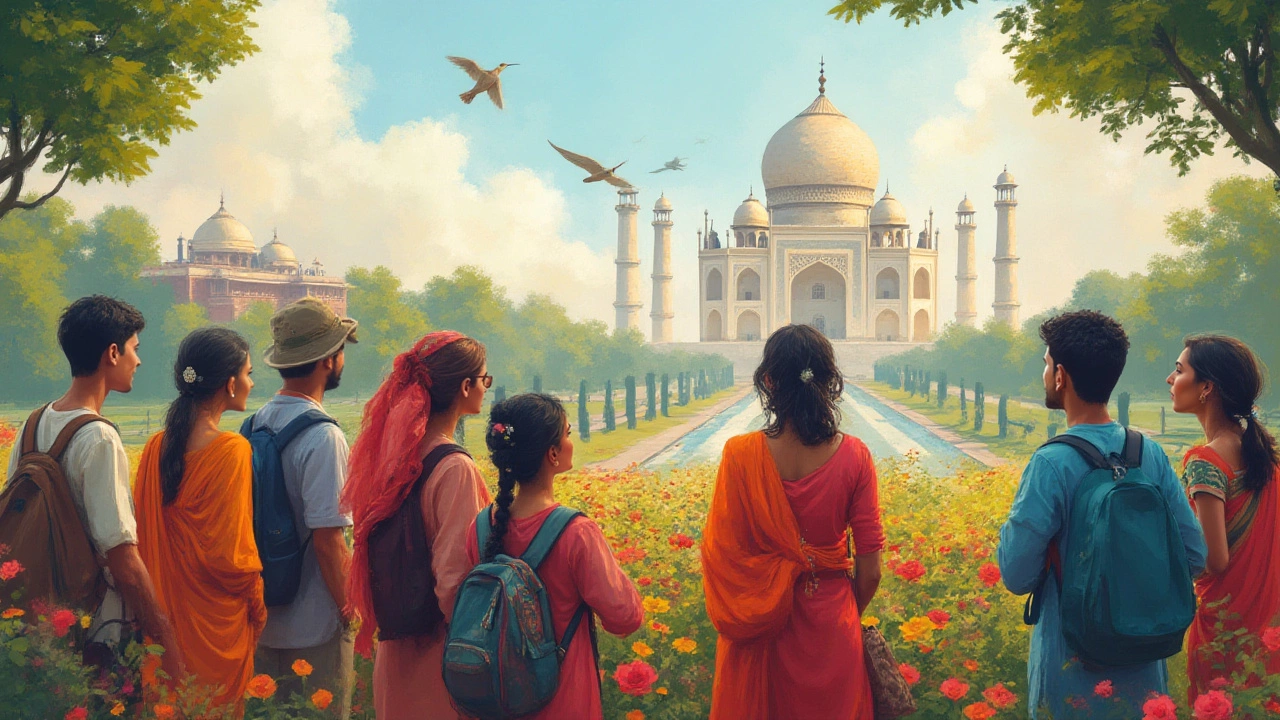
Monuments in India: Top Historical Sites to Explore on a Bike
When you think of monuments in India, enduring structures built to honor power, faith, or memory. Also known as historical landmarks, they’re not just stone and mortar—they’re living chapters of a culture that never stopped speaking. These aren’t museum pieces behind ropes. They’re places you ride to, touch, and feel in your bones. From the white marble grandeur of the Taj Mahal, the 17th-century mausoleum in Agra built by Emperor Shah Jahan for his wife to the towering Hampi ruins, a sprawling 14th-century Vijayanagara empire site with broken temples and giant stone chariots, India’s monuments are as varied as its landscapes. And the best way to experience them? On two wheels.
You won’t find these places on a guided bus tour the same way you do on a bike. When you ride, you notice the dust on the steps of the Qutub Minar, the 73-meter tall iron-rich stone tower in Delhi built in the 12th century before the crowds arrive. You hear the echo of prayers inside the Konark Sun Temple, a 13th-century Odisha masterpiece shaped like a giant chariot with stone wheels as the wind moves through its carved pillars. You stop when you want, rest where the shade is, and talk to locals who still bring milk to the same shrine their grandparents did. These aren’t just tourist spots—they’re sacred, silent, and still breathing.
India’s monuments aren’t just about architecture. They’re about time. The Red Fort, the Mughal palace in Delhi that once held emperors and now hosts India’s Independence Day speech stands next to a street vendor selling chai. The Ellora Caves, a complex of 34 rock-cut temples and monasteries carved out of a cliff over 600 years, sit beside a village where children still play near the same stone lions their ancestors did. You don’t just see history—you live beside it.
What you’ll find in these posts isn’t a checklist. It’s a map of real moments: how to visit the Taj Mahal before the tour buses roll in, why the temples of Khajuraho still draw pilgrims alongside tourists, how to ride safely to remote sites like Mahabalipuram’s shore temples, and what no guidebook tells you about the quiet corners of Fatehpur Sikri where the wind still carries whispers of lost courts. Whether you’re chasing the grandeur of a UNESCO site or the hidden beauty of a forgotten stepwell, these stories are written for riders who want more than photos—they want meaning.