South Indian Weather: What to Expect and How to Plan Your Bike Trip
When you ride through South Indian weather, the seasonal patterns that define travel in Kerala, Tamil Nadu, Karnataka, and Andhra Pradesh. It's not just rain or heat—it's the rhythm that decides when temples are crowded, when backwaters are calm, and when roads turn into muddy tracks. Unlike the dry, crisp winters of North India, the south hums with humidity, monsoons that arrive like clockwork, and a long, sticky summer that sticks to your skin and your gear.
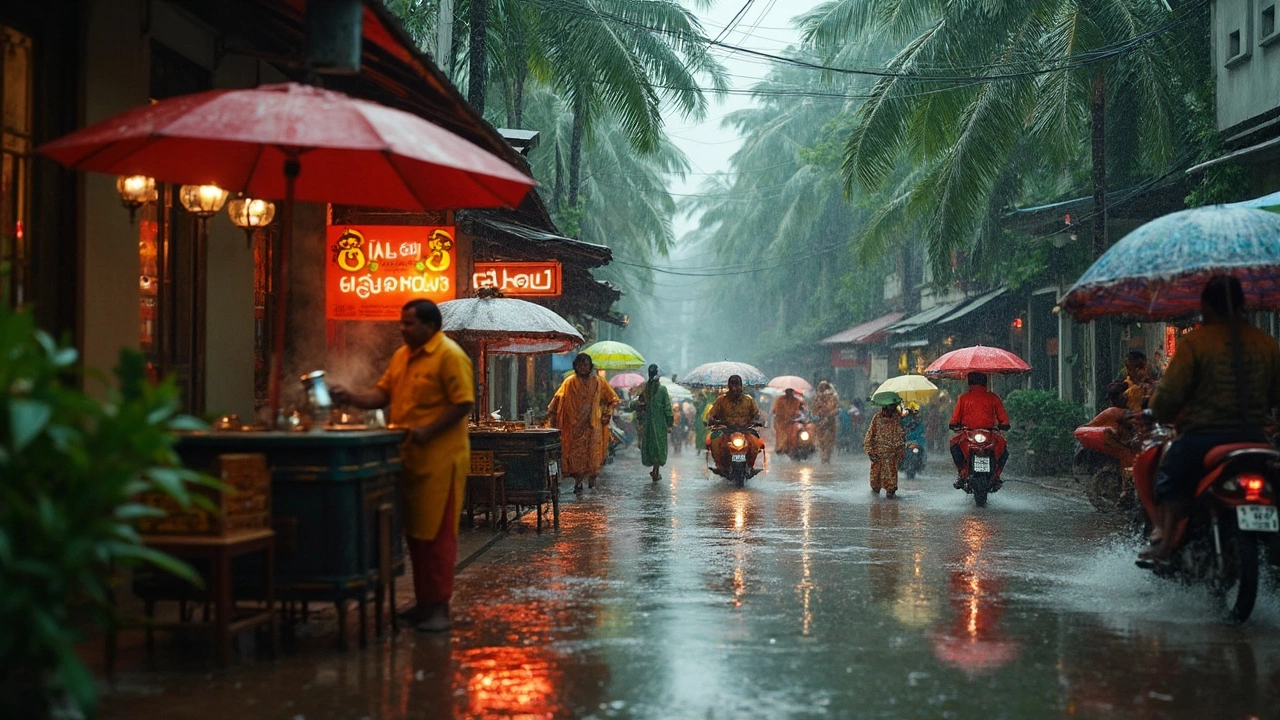
Think of Kerala, the lush, coastal state known for backwaters and spice plantations—its weather is all about the two monsoons: the southwest hit from June to September, and the northeast pull from October to November. That’s when the roads glisten, the air smells like wet earth, and your bike’s chain needs extra care. Meanwhile, Tamil Nadu, the drier, temple-heavy state with coastlines and hill stations gets its heaviest rain from October to December, not June. If you’re planning a ride from Madurai to Ooty, skipping November means dodging landslides and flooded passes. And don’t forget the heat—April and May aren’t just hot, they’re punishing. Temperatures hit 40°C with no breeze, especially in places like Tiruchirappalli or Kanchipuram. That’s when shade, water, and early morning rides aren’t luxuries—they’re survival.
The real trick isn’t just knowing when it rains—it’s knowing how it affects your ride. A bike rental in Cochin in July might get you soaked, but it also means empty roads and fewer tourists at the temples. A ride along the Coromandel Coast in January? Perfect. Clear skies, cool nights, and the sea breeze that makes 30°C feel like a gift. The South Indian weather doesn’t just change your itinerary—it changes your experience. You’ll see temples in golden light after a storm, taste food that’s spicier because the heat makes you crave it, and hear the difference in the silence between monsoons.
Below, you’ll find real travel stories from people who’ve ridden through this weather—some survived the downpours, others learned to wait. You’ll see how much it costs to travel in the off-season, why foreigners keep coming back despite the humidity, and what gear actually works when the humidity hits 90%. No fluff. Just what you need to know before you twist the throttle and head south.