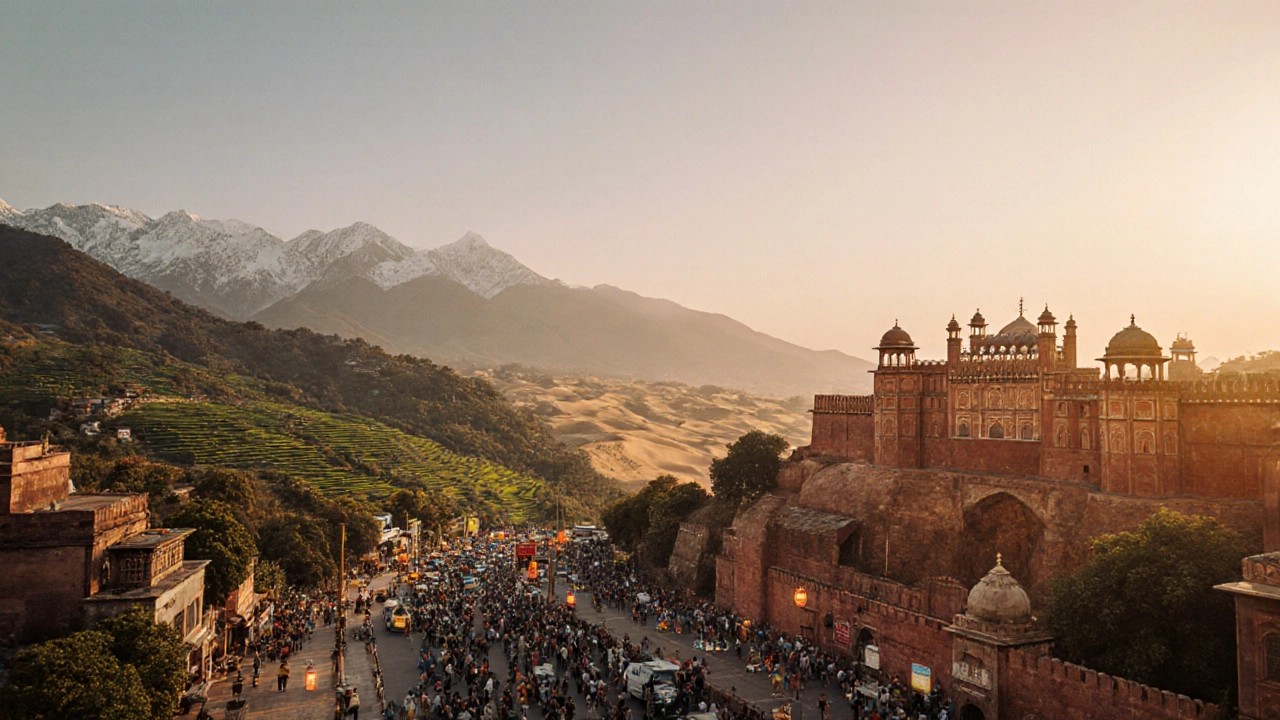
Travel Season in India: Best Times to Ride, Explore, and Avoid Crowds
When you think of travel season in India, the periods when weather, roads, and local life align for the best outdoor experiences. Also known as tourist season, it’s not just about when it’s sunny—it’s about when the mountains are passable, the beaches are quiet, and the temples aren’t packed with selfie sticks. Most people assume India is always open for travel, but the truth is, timing changes everything. Ride through Ladakh in January and you’ll be stuck in snow. Hit Kerala in July and you’ll be soaked before you reach the first backwater house. The right travel season in India turns a good trip into a great one.
There are three real seasons to care about: peak tourist season, the months when most foreigners and domestic travelers hit the road, usually October to March, monsoon season, the heavy rains from June to September that flood roads and shut down high-altitude routes, and shoulder season, the quiet windows between—April to May and late September—that most tourists miss. Peak season means clear skies in Rajasthan, crisp air in Himachal, and perfect beach weather in Goa. But it also means packed trains, double the hotel prices, and long lines at the Taj Mahal. Monsoon season? It’s lush, it’s green, and it’s nearly impossible to ride a bike in parts of the south or north. But if you’re flexible, shoulder season gives you the sweet spot: cooler temperatures, fewer people, and local guides who actually have time to talk to you.
South India thrives from October to February, when humidity drops and the temples feel alive without the noise. North India, especially Ladakh and Spiti, opens up only from May to September—after the snow melts and the passes clear. Goa is best in November, when the beach shacks reopen and the parties calm down. And if you’re chasing silence, try Tamil Nadu in April or Rajasthan in March—just before the heat hits hard. The posts below break down exactly where to go, when to avoid it, and how to plan your bike route around real conditions—not tourist brochures. You’ll find cost breakdowns for trips in South India, safety tips for trekking in the rains, and why more foreigners are choosing the south over the north. No fluff. Just what works.