UNESCO Sites in India: What to See and Why It Matters
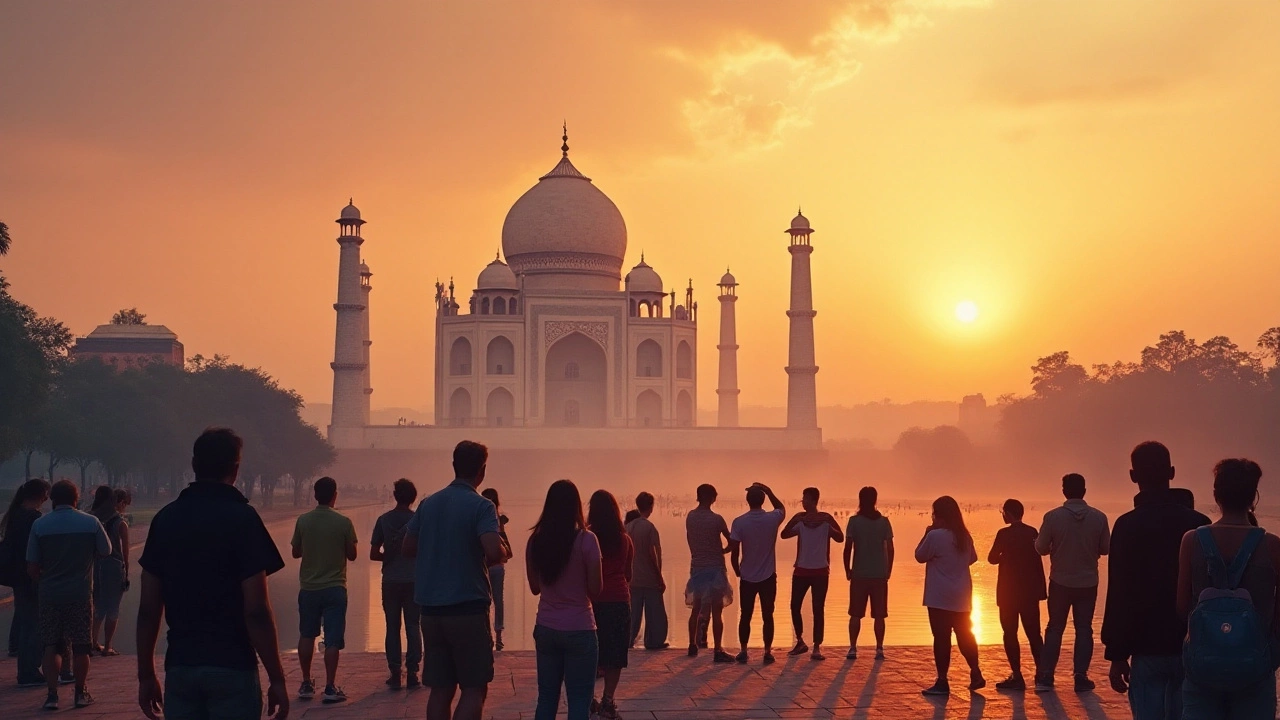
When you hear UNESCO, a United Nations agency that protects the world’s most important cultural and natural sites. Also known as World Heritage Sites, these are places that matter—not just because they’re old, but because they shaped how people live, believe, and connect across generations. India has 40 of them, more than almost any country on earth. From the Taj Mahal’s marble silence to the stepwells of Gujarat that once fed entire villages, these aren’t just tourist spots. They’re living history.
What makes a site UNESCO-listed? It’s not just beauty. It’s authenticity. The temples of Khajuraho aren’t just carved stone—they’re a 1,000-year-old record of art, religion, and human expression. The historic city of Jaipur isn’t just pink buildings—it’s a planned urban space from the 1700s that still functions like a living city today. And the Western Ghats? They’re not just mountains. They’re one of the oldest ecosystems on the planet, hiding species found nowhere else. These sites are protected because they’re irreplaceable. And they’re all accessible by bike, which is why so many travelers on UNESCO sites India choose two wheels over buses or tours.
You’ll find these places scattered across India—some in bustling cities, others hidden in quiet valleys. The Buddhist monuments at Sanchi, the rock-cut caves of Ajanta, the colonial port of Goa’s Old Town—they each tell a different part of India’s story. Some are about faith. Others are about trade, science, or survival. And every single one has a story that’s better felt than read. The posts below show you how to visit them without crowds, how to understand what you’re seeing, and which ones are truly worth the detour. Whether you’re planning a weekend ride or a cross-country adventure, these are the places that turn a trip into something deeper.