When to Visit Temples in India
When to visit temples, the timing of your visit to Hindu places of worship can make all the difference between a peaceful experience and a chaotic one. Also known as temple visit timing, this isn’t just about avoiding lines—it’s about connecting with the rhythm of devotion that shapes daily life in India. Many travelers show up at noon, only to find sweltering heat, packed courtyards, and long queues for prasad. But if you go at sunrise, you’ll see priests chanting in quiet halls, devotees offering flowers, and the scent of incense still fresh in the air. The best time to visit temples isn’t just about comfort—it’s about respect.
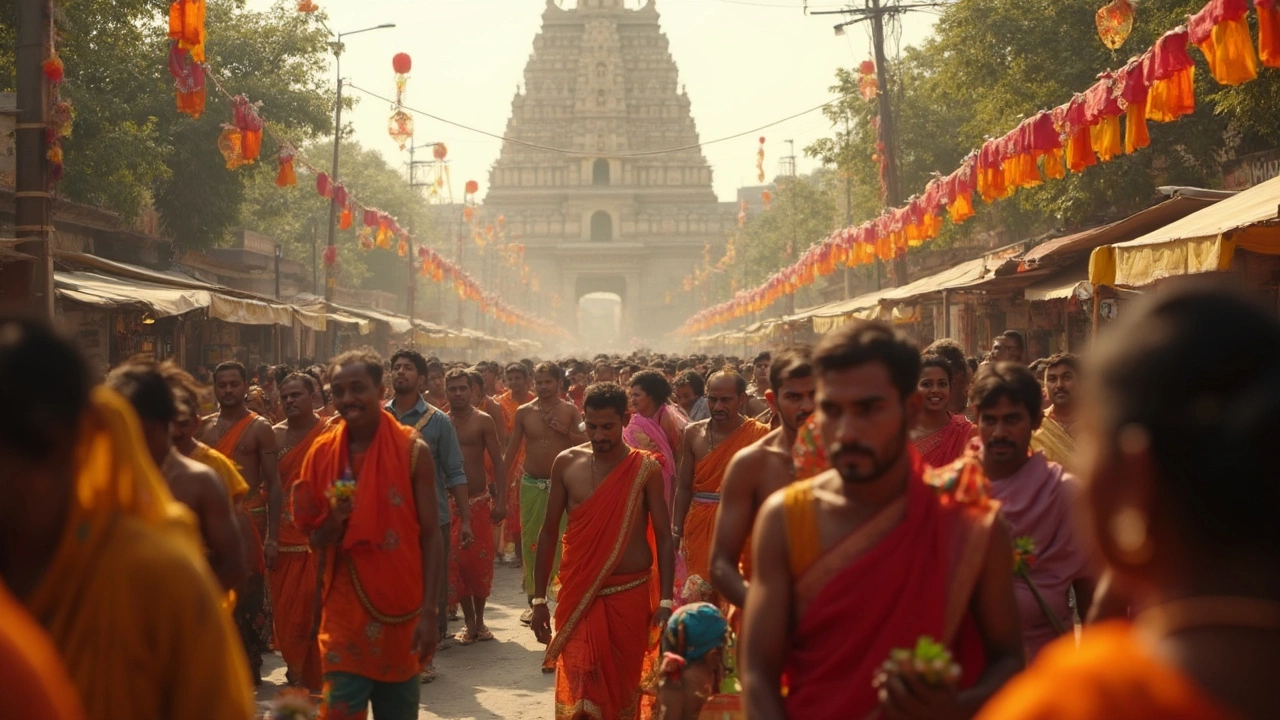
Temple festivals in India, like Kumbh Mela or Puri Rath Yatra, turn sacred spaces into massive gatherings of faith. These events draw millions, but they’re not for everyone. If you want to feel the energy of a living tradition, plan around these dates. If you want quiet reflection, avoid them entirely. The Kumbh Mela happens every 12 years in one location, while smaller festivals like Shivaratri or Ganesh Chaturthi occur annually across hundreds of temples. Knowing which ones are local versus national helps you choose wisely. And don’t forget the daily rhythm: most temples open before dawn and close after sunset. The morning aarti (prayer ceremony) is often the most powerful moment—silent, sacred, and deeply moving.
What to Avoid When Visiting Temples
Some travelers show up in shorts, flip-flops, or with cameras out, not realizing they’re breaking unspoken rules. Many temples require modest clothing—no bare shoulders or legs. Shoes come off at the entrance; leaving them with a vendor is normal. Photography is often banned inside sanctums, even if it’s allowed outside. These aren’t tourist attractions—they’re homes of worship. Respect isn’t optional.
Monsoon season (June to September) brings heavy rain, flooded paths, and closed shrines in places like Kerala or Tamil Nadu. Winter (November to February) is ideal in North India—cool, dry, and clear. In South India, the cooler months still mean humidity, but fewer crowds. For the Himalayas, like Kedarnath or Amarnath, summer is the only safe window—snow blocks access the rest of the year.
Some temples, like Tirupati or Varanasi, are always busy. Others, like small village shrines in Odisha or Maharashtra, stay quiet unless it’s a local festival. Ask a local priest or shopkeeper: "When is the temple least crowded?" They’ll tell you the truth. You’ll get better photos, more space to sit, and a chance to really see the art, the carvings, the devotion—not just the crowds.
Plan your temple visits around your bike route. If you’re riding from Kerala to Tamil Nadu, time your stops for early mornings before the heat hits. If you’re heading to Ladakh, know that most temples there are closed in winter. The freedom of a bike means you can adjust your schedule—but only if you know what to look for.
What you’ll find below are real stories from travelers who got it right—and those who didn’t. From the quiet hours at Meenakshi Temple to the chaos of Kumbh Mela, you’ll see exactly when to go, what to wear, and how to behave so your visit feels meaningful, not just memorable.