Char Dham Yatra Trip Planner
Select the sacred sites you plan to visit to estimate your travel duration and essential gear.
Select Your Destinations
Himalayas | Cold Alpine Climate
Odisha Coast | Humid Tropical
Tamil Nadu | Hot Coastal
Gujarat | Arid Coastal
Quick Summary of the Sacred Sites
- North: Badrinath (Uttarakhand) - The abode of wisdom.
- South: Rameshwaram (Tamil Nadu) - The bridge to serenity.
- East: Jagannath Puri (Odisha) - The lord of the universe.
- West: Dwarka (Gujarat) - The kingdom of the divine.
Badrinath: The Gateway to the Himalayas
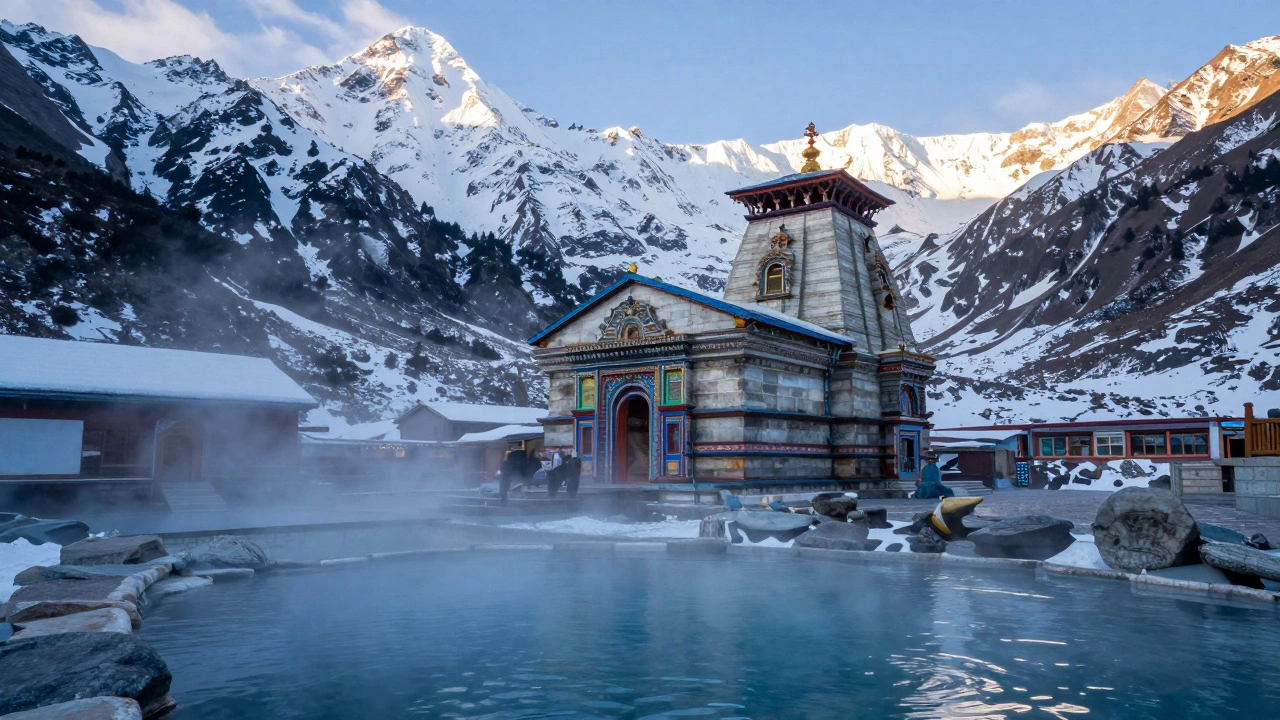
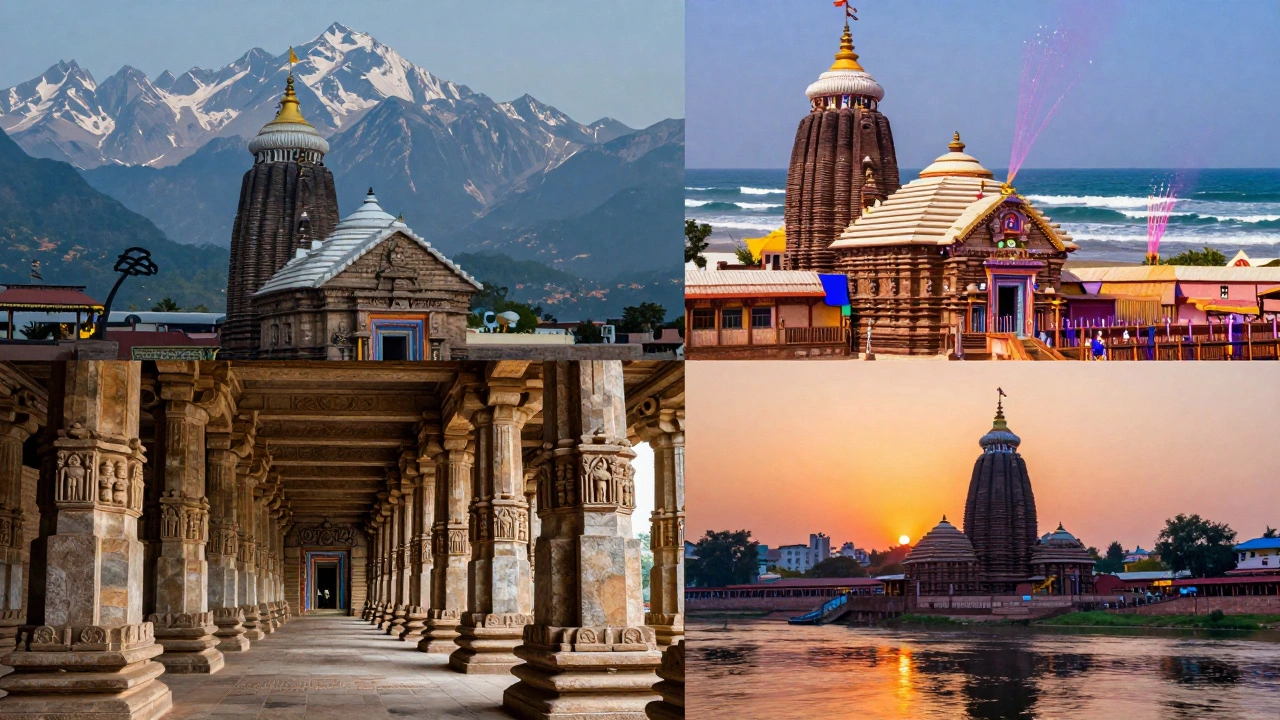
Up in the Chamoli district of Uttarakhand, nestled between the Nar and Narasingha peaks, lies Badrinath. This is the only one of the four that is open only for six months a year due to heavy snowfall. If you visit in July, you'll find the air crisp and the scenery breathtaking. The temple is dedicated to Lord Badrinarayan, a form of Vishnu.
One thing that makes Badrinath unique is the Tapt Apas, a natural hot spring right next to the temple. It's a surreal experience to soak in steaming water while surrounded by snow-capped mountains. To get here, most travelers fly into Dehradun and then hire a taxi or bus for the long climb up the winding mountain roads. Be prepared for altitude sickness; drinking plenty of water and moving slowly is the only way to survive the thin air at 10,279 feet.
Jagannath Puri: The Coastal Spiritual Hub
Now, let's shift gears and head east to the coast of Odisha. Jagannath Puri is a completely different beast. Here, the temple is dedicated to Lord Jagannath, a wooden idol that is replaced every few years in a ritual known as Nabakalebara. Unlike the quiet solitude of the mountains, Puri is vibrant, crowded, and smells of salt and incense.
The most fascinating part of this temple is the "Mahaprasad." The food is cooked in seven pots on top of each other over a wood fire. Local legend says the pot at the top always cooks first, defying the laws of physics. If you're visiting, make sure to walk along the Golden Beach. The contrast between the intense energy of the temple and the rhythmic sound of the Bay of Bengal helps you process the spiritual intensity of the site.
Rameshwaram: The Southern Tip of Faith
Heading south to Tamil Nadu, you'll find Rameshwaram. This island is connected to the mainland by the Pamban Bridge, a stunning engineering feat that allows you to see the ocean on both sides of the road. This site is deeply connected to the epic Ramayana, as it's believed to be the spot where Lord Rama built a bridge to Lanka.
The temple here is famous for its corridors-some of the longest in the world. Walking through these pillars feels like walking through a stone forest. A key ritual here is visiting the 22 holy wells (Theerthams) inside the temple complex. You bathe in each one before entering the main sanctum. It's a long process, but it's designed to cleanse the body and mind. Pro tip: wear light cotton clothes, as the humidity in Tamil Nadu can be oppressive even in the winter months.
Dwarka: The Ancient Kingdom of the West
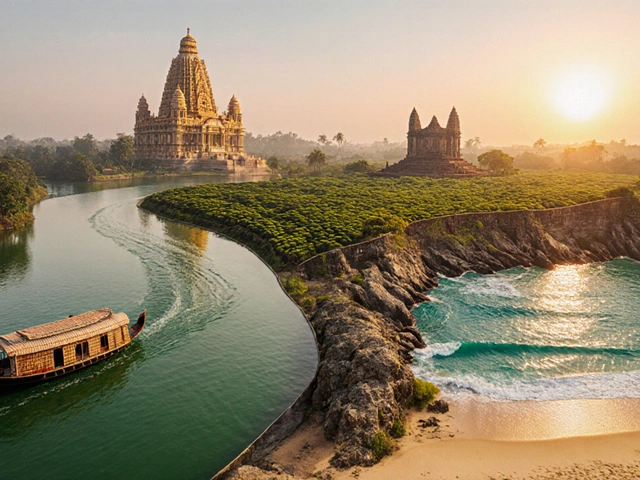
Finally, we reach the western edge of India in Gujarat. Dwarka is where Lord Krishna is said to have established his kingdom. The Dwarkadhish Temple, with its towering five-story spire, sits right on the edge of the Gomti River as it meets the Arabian Sea.
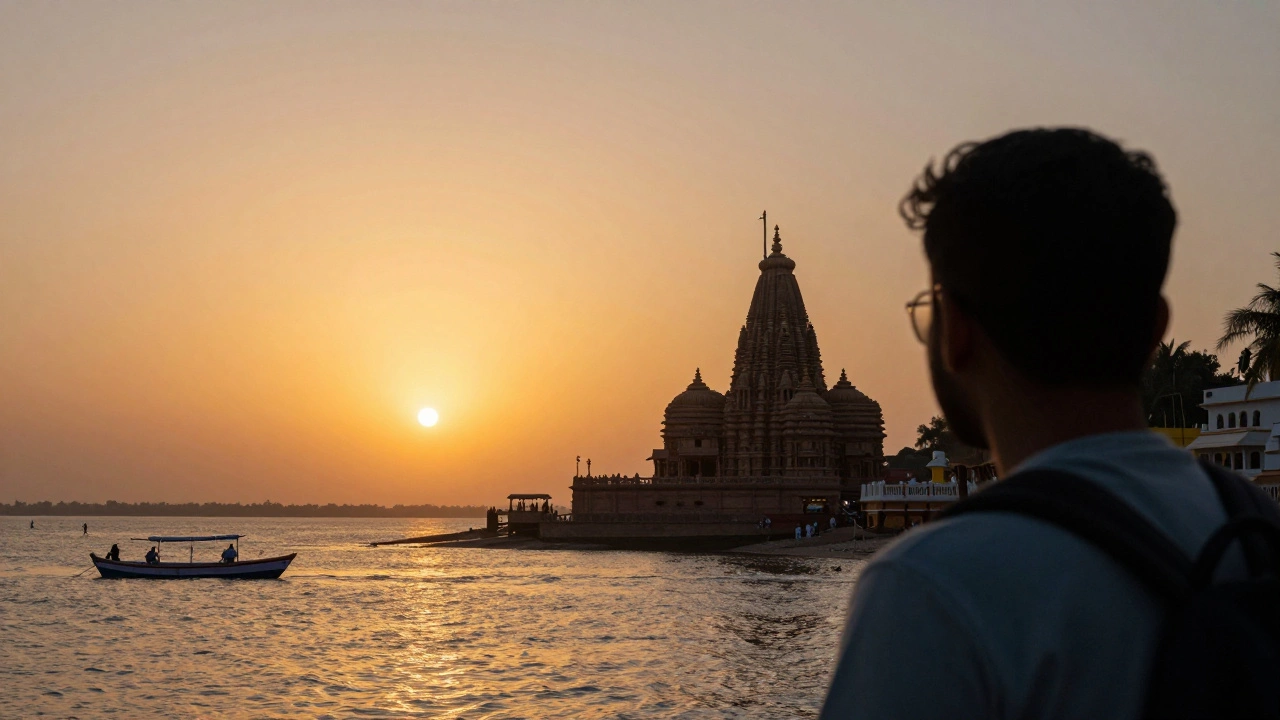
If you have time, take a boat trip to Bet Dwarka. It's a small island where the actual residence of Krishna is believed to be. The vibe here is much more laid back than Puri. The architecture is a mix of ancient styles and modern restorations. Many people spend their evenings watching the sunset over the sea, reflecting on the journey they've taken across the four corners of the country.
| Feature | Badrinath | Jagannath Puri | Rameshwaram | Dwarka |
|---|---|---|---|---|
| Region | North (Himalayas) | East (Odisha Coast) | South (Tamil Nadu) | West (Gujarat) |
| Climate | Cold / Alpine | Humid / Tropical | Hot / Coastal | Arid / Coastal |
| Key Ritual | Hot Springs Bath | Mahaprasad Feast | 22 Holy Wells | Gomti River Dip |
| Access | Seasonal (May-Nov) | Year-round | Year-round | Year-round |
Practical Logistics for the Long Haul
Attempting the Char Dham Yatra in one go is a massive undertaking. You are essentially crossing a subcontinent. Most people don't do this in a single trip unless they have a month of vacation. If you're planning it, the most efficient route is usually to start in the North and move clockwise. However, the biggest hurdle isn't the distance; it's the diversity of the environment.
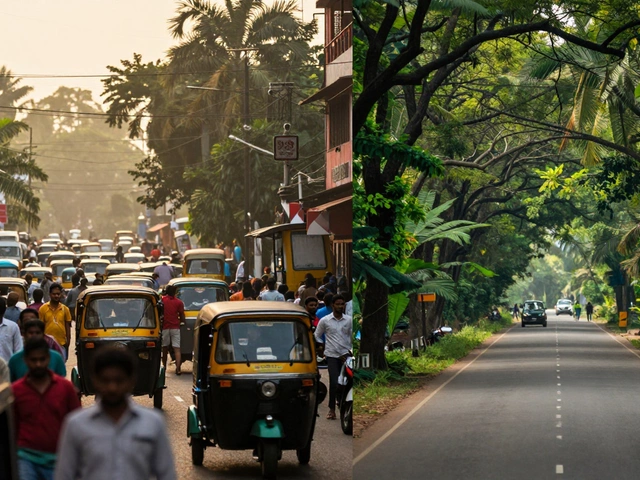
You'll need everything from heavy woolens for Badrinath to breathable linens for Rameshwaram. In terms of transport, domestic flights are your best friend for jumping between states, but the "last mile" usually involves rugged taxis or local rickshaws. Also, remember that each temple has different dress codes. While Badrinath is more relaxed, some Southern temples require traditional attire (like a dhoti or saree) for entry into the inner sanctum.
Common Pitfalls to Avoid
One mistake people make is ignoring the "Temple Timings." Most Indian temples close for a few hours in the afternoon (usually between 1 PM and 4 PM). If you arrive at 2 PM, you'll find the doors shut and the priests resting. Always check the local schedule.
Another trap is the "Guide Hustle." At major sites like Jagannath Puri, you'll be approached by dozens of unofficial guides promising secret shortcuts or special darshans. Stick to certified guides or use official temple apps. Lastly, don't forget about hydration. Between the mountain altitude in the North and the coastal heat in the South, dehydration is the fastest way to ruin a pilgrimage.
Is there a difference between Char Dham and Chota Char Dham?
Yes, a huge difference. The main Char Dham covers the four corners of India (Badrinath, Puri, Rameshwaram, Dwarka). The Chota Char Dham is a smaller circuit located entirely within the state of Uttarakhand, consisting of Yamunotri, Gangotri, Kedarnath, and Badrinath. While Badrinath is part of both, the scales and purposes are different.
What is the best time of year to visit all four?
The window between October and March is generally best. Badrinath is open during this time (though it closes in winter, usually by November), and the coastal regions of Odisha, Tamil Nadu, and Gujarat are much cooler and more bearable than the scorching summer months of April to June.
Do I need a special permit for Badrinath?
In recent years, the government has introduced a mandatory registration process for pilgrims visiting Badrinath and Kedarnath to manage crowds. You can register online via the official Uttarakhand tourism portal. It's a quick process but essential to avoid being turned back at checkpoints.
Can I visit these sites if I am not Hindu?
Absolutely. While these are active religious sites, most welcome visitors of all faiths. However, be aware that some specific inner sanctums may have restrictions. The architectural beauty and the cultural experience are open to everyone regardless of religion.
How many days does a full Char Dham circuit take?
If you're rushing, you could do it in 15-20 days using flights. But for a meaningful experience-allowing for travel, rest, and rituals-plan for 30 to 45 days. Each site deserves at least 2-3 days of exploration to truly soak in the atmosphere.