The Ultimate Train Station Explorer
Select a station below to unlock its unique architectural secrets, photography tips, and historical significance.
St Pancras International
London, UK
Victorian GothicAntwerp-Central
Antwerp, Belgium
Neo-RenaissanceMilano Centrale
Milan, Italy
RationalistStuttgart Hbf
Stuttgart, Germany
Modern / EcoGrand Central Terminal
New York, USA
Beaux-ArtsThere is a specific kind of magic that happens when you step out of a car and into a grand railway terminal. The air changes. It smells of old stone, polished brass, and distant adventures. While we often think of trains as mere transport, their gateways-the stations themselves-are some of the most breathtaking structures on Earth. You might be planning a luxury train journey, or perhaps you are just an architecture lover looking for your next photo op. Either way, finding the most beautiful train station isn't just about aesthetics; it's about stepping into history.
Picking a single "most beautiful" station is impossible because beauty depends on what moves you. Do you prefer the soaring glass ceilings of modern engineering? Or do you lean toward the ornate, hand-carved details of Victorian Gothic? I have spent years traveling from the humid heat of Sydney to the freezing winds of Europe, and I have learned that these stations tell the story of the cities they serve. Let’s walk through the ones that truly steal the show.
The Crown Jewel: St Pancras International, London
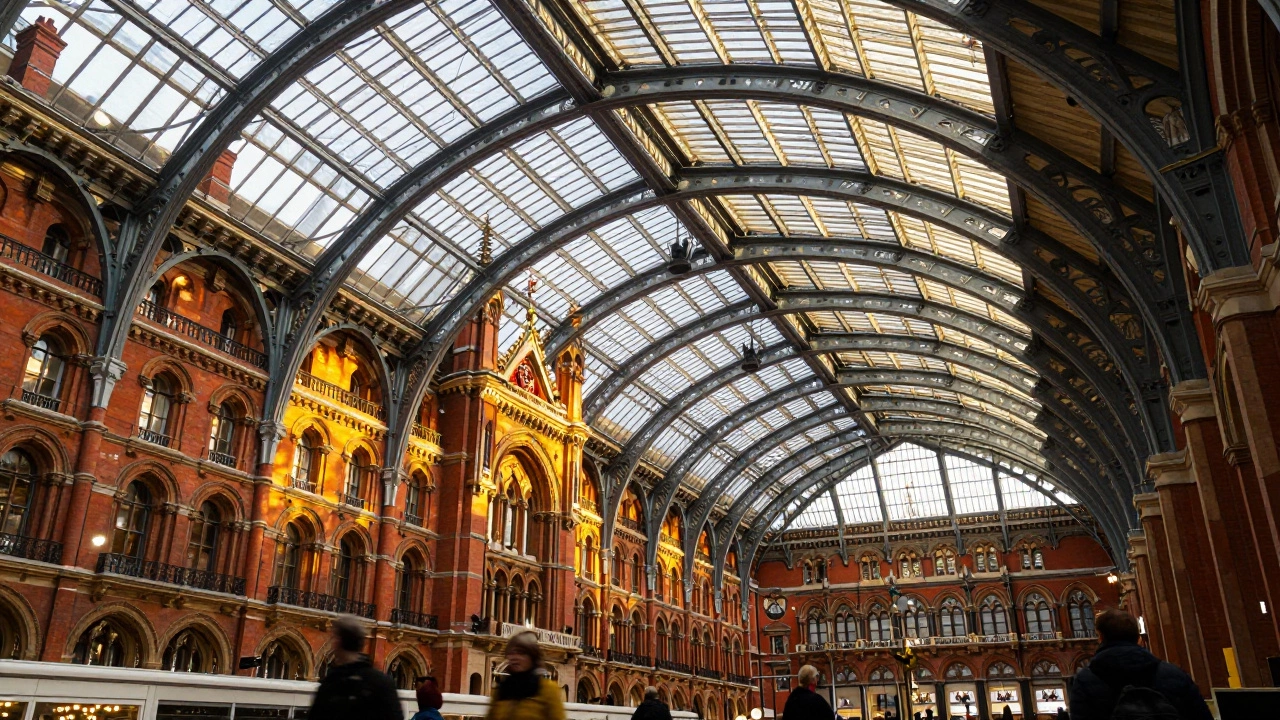
If you ask any architect which station feels like a palace, they will likely point to St Pancras International in London. This place is not just a transit hub; it is a resurrection of Victorian ambition. Built in the 1860s by William Henry Barlow, the original structure was almost demolished in the 1960s. Imagine losing a cathedral because people wanted more parking. Thankfully, it was saved and restored in the early 2000s, blending high-speed rail with heritage charm.
The main attraction here is the barrel-vaulted roof. It spans over 200 meters without a single supporting pillar in the middle. When you look up, the ironwork glows against the sky, creating a ribbed ceiling that looks like the inside of a giant shell. But the real star is the Midland Grand Hotel attached to it. With its red brick facade and intricate stonework, it sets the tone for what a luxury train journey should feel like before you even board. Walking through the concourse, you aren't rushing to catch a bus; you are entering a theater where travel is the performance.
The Gothic Masterpiece: Antwerp-Central, Belgium
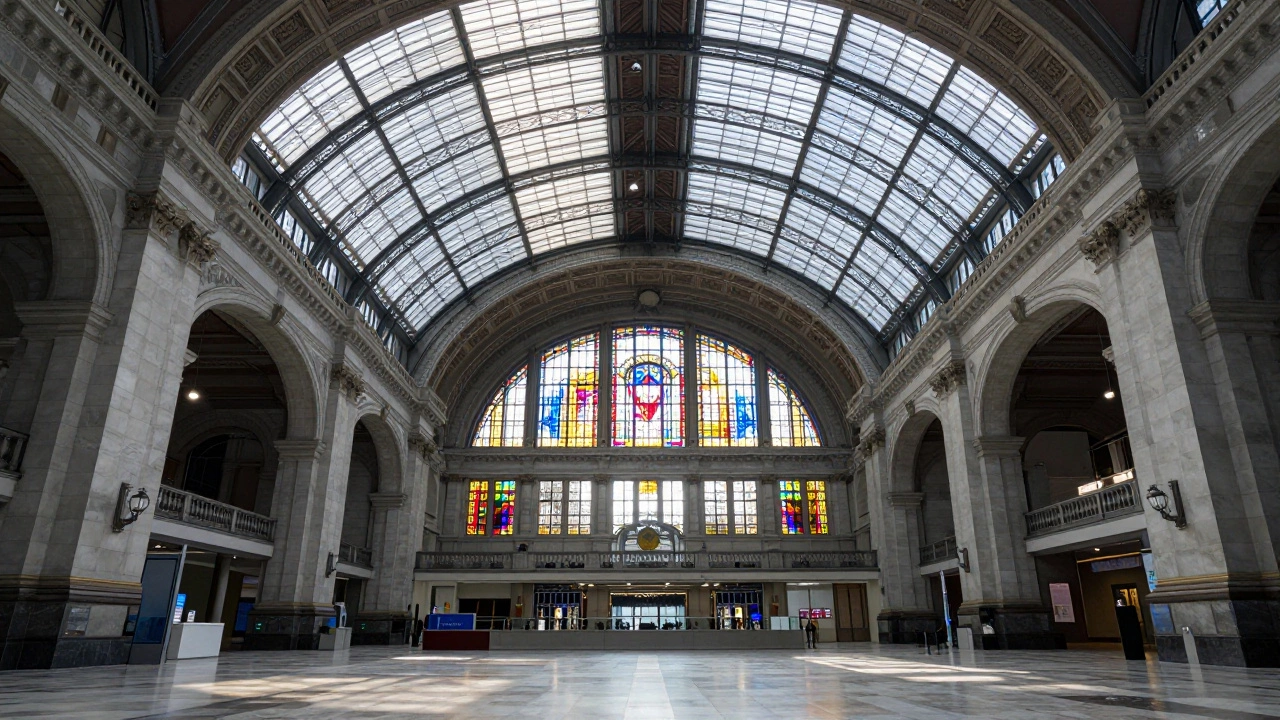
Move across the channel to Belgium, and you find Antwerp-Central Station. Locals call it the "Railway Cathedral," and honestly, they aren't exaggerating. Completed in 1905, this station sits elevated above the city streets, giving it a commanding presence. Unlike St Pancras, which feels warm and inviting, Antwerp-Central feels majestic and slightly intimidating in the best way possible.
The interior is dominated by two massive domes made of glass and steel, flanked by stained-glass windows that cast colorful patterns onto the marble floors. The design draws heavily from Neo-Renaissance and Gothic styles, featuring columns that seem to stretch infinitely upward. If you are visiting Antwerp, don't just rush through to the platform. Take five minutes to stand in the center of the main hall. Look at the symmetry. Notice how the light filters through the dome. It is a reminder that public infrastructure can be art. For those interested in European rail culture, this station is a non-negotiable stop.
The Industrial Beauty: Milano Centrale, Italy
In Milan, Milano Centrale proves that size matters. Opened in 1931, it was designed to be the largest station in Italy and one of the biggest in Europe. The facade alone is a lesson in Fascist-era architecture-grand, imposing, and covered in statues representing Italian industries and regions. It feels like walking past a fortress built for commerce and speed.
Inside, the scale is overwhelming. The main hall is vast, with high ceilings and rows of arched windows that let in natural light during the day. At night, the artificial lighting creates a dramatic, almost cinematic atmosphere. What makes Milano Centrale unique is its role as a gateway to the rest of Europe. It connects directly to the French TGV network via the Lyon-Turin base tunnel project (ongoing), making it a critical node in the continent's rail map. When you are standing there, surrounded by thousands of travelers, you feel the pulse of international movement. It is chaotic, yes, but there is a raw beauty in that organized chaos.
The Modern Icon: Stuttgart Hauptbahnhof, Germany
Not all beautiful stations are old. Sometimes, beauty comes from solving a difficult problem elegantly. Stuttgart Hauptbahnhof is a prime example of modern engineering brilliance. Located in a valley, the traditional approach of building a flat station wasn't possible. Instead, engineers created a multi-level masterpiece that integrates seamlessly with the surrounding landscape.
The most striking feature is the glass canopy that covers the platforms. It curves gracefully, following the contours of the terrain, and allows sunlight to flood the underground areas. The integration of nature into the design is subtle but effective-green spaces surround the structure, softening the industrial feel. This station shows how contemporary architecture can respect its environment while still being bold. It is a favorite among engineers and designers who appreciate form following function. If you are planning a trip through Germany, Stuttgart offers a glimpse into the future of sustainable urban transit.
The Historic Gateway: Grand Central Terminal, New York
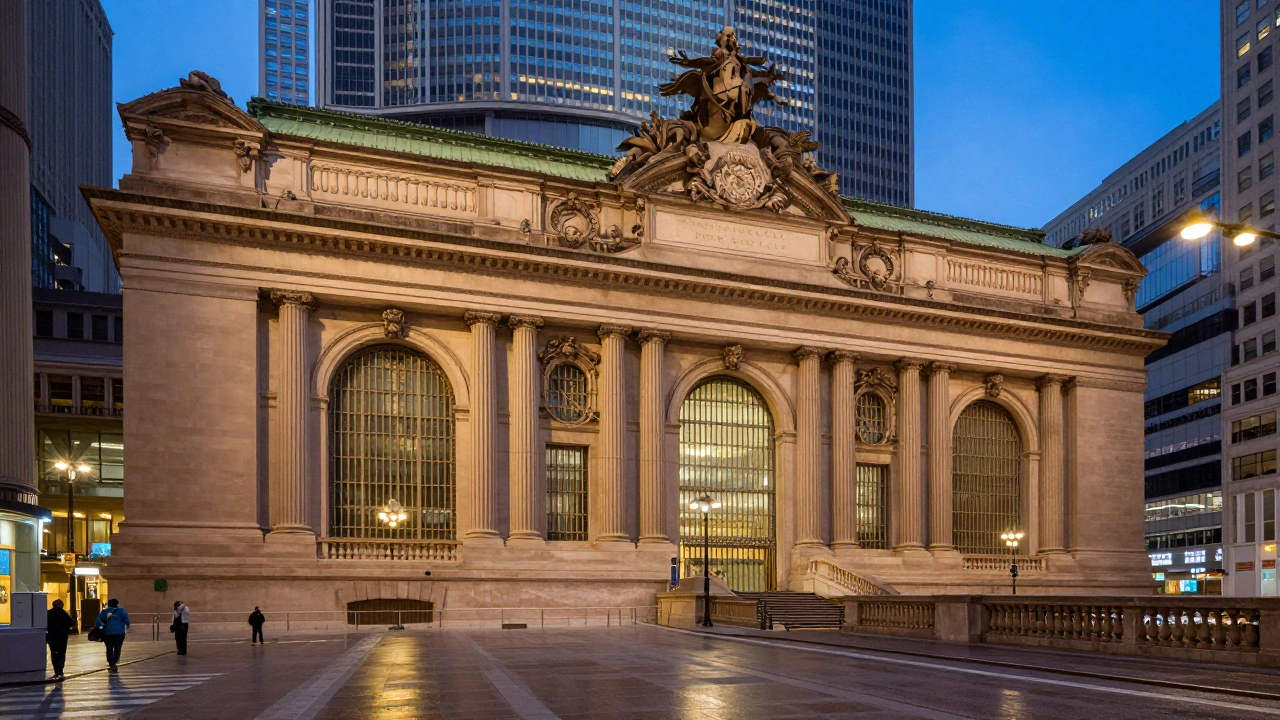
We cannot talk about beautiful stations without mentioning Grand Central Terminal in New York City. Opened in 1913, it is a beacon of Beaux-Arts architecture. The main concourse is legendary for a reason. The vaulted ceiling is painted with a mural of the constellations, albeit upside down-a quirk that has sparked debates among astronomers and historians alike. The golden clock above the information booth is an iconic symbol of precision and elegance.
But beyond the famous spots, Grand Central is a living museum. The whispering gallery, where a sound made in one corner can be heard clearly in the opposite corner due to the acoustics of the arches, is a fun experiment for visitors. The station also houses hidden gems like the Oyster Bar and the Dining Concourse, which retain their original 1920s decor. For anyone interested in American history or urban preservation, Grand Central is essential. It survived demolition attempts in the 1960s thanks to public outcry, proving that communities value their architectural heritage.
| Station Name | Location | Architectural Style | Key Feature | Year Opened |
|---|---|---|---|---|
| St Pancras International | London, UK | Victorian Gothic Revival | Barrel-vaulted iron roof | 1868 |
| Antwerp-Central | Antwerp, Belgium | Neo-Renaissance / Gothic | Twin glass domes | 1905 |
| Milano Centrale | Milan, Italy | Rationalist / Fascist Era | Statue-adorned facade | 1931 |
| Stuttgart Hauptbahnhof | Stuttgart, Germany | Modern / Contemporary | Curved glass canopy | 2006 (Renovation) |
| Grand Central Terminal | New York, USA | Beaux-Arts | Constellation ceiling mural | 1913 |
Why Architecture Matters in Travel
You might wonder why the design of a station matters if you are just passing through. Here is the thing: our emotions are tied to our surroundings. A dreary, concrete box makes you feel rushed and stressed. A grand, well-lit space with artistic details slows you down. It gives you a moment to breathe. This is especially true for luxury train journeys. The experience begins the moment you arrive at the station. If the start is magical, the entire trip feels elevated.
Think about it. When you book a first-class ticket on a route like the Venice Simplon-Orient-Express, part of the appeal is the romance of the past. Standing in a station that reflects that era enhances the immersion. It bridges the gap between then and now. These buildings are not static; they are active participants in your memory of the trip. They provide context. They tell you where you are and who lives there.
Planning Your Visit: Tips for Photography and Exploration
If you plan to visit these stations, timing is everything. Early morning light is your best friend. In St Pancras, the sun hits the ironwork beautifully around 7 AM. In Antwerp, the midday light floods the domes, creating a dazzling effect. Avoid peak rush hours if you want clear shots. Crowds can obscure the architectural details you are trying to capture.
Also, don't forget to look down. The floors in many of these stations are works of art themselves. Milano Centrale features intricate tile patterns, while Grand Central has polished marble that reflects the ceiling lights. Bring comfortable shoes. You will be walking more than you expect. And finally, talk to the staff. Station masters and long-time employees often know stories that guidebooks miss. They can point out hidden nooks or explain the significance of certain statues.
Which train station is considered the oldest in the world?
The Liverpool Road Station in Manchester, UK, opened in 1830, is widely recognized as the world's first purpose-built passenger railway station. Although much of the original structure has been altered or demolished, it remains a significant historical site for railway enthusiasts.
Are these beautiful train stations open to tourists without a ticket?
Yes, most major train stations like St Pancras, Antwerp-Central, and Grand Central are public spaces. You do not need a train ticket to enter the main concourses and admire the architecture. However, access to certain areas like the platforms may require a valid ticket or boarding pass.
How do I incorporate these stations into a luxury train itinerary?
Plan your arrival and departure times to allow for exploration. Book hotels near these stations so you can visit them at different times of day. For example, stay in London near St Pancras to see it at night when the lighting highlights the facade. Combine your train journey with a guided tour of the station's history for a deeper experience.
What is the best time of year to visit European train stations?
Spring (April to June) and Autumn (September to October) offer mild weather and fewer crowds compared to summer. The natural light during these seasons is also ideal for photography, providing softer shadows and clearer skies inside the large glass-domed stations.
Can I take professional photos in these stations?
Generally, casual photography is allowed. However, for professional shoots involving tripods, lighting equipment, or commercial use, you may need a permit. Check with the local railway authority beforehand. For instance, Network Rail in the UK and SNCF in France have specific guidelines for media usage.