Cultural Tourism Planner
Plan Your Cultural Journey
Select your interests to discover the perfect cultural tourism destination in India.
Recommended For You:
Select at least one interest above
Expert Planning Steps
Click each step to reveal detailed guidance for planning your cultural tourism trip.
Research Deeply
Go beyond guidebooksChoose Local Stays
Homestays & heritage homesHire Local Guides
Experts & community membersRespect Customs
Dress & behave appropriatelyParticipate Fully
Engage, don't just observeTime It Right
Avoid peak seasonsMost people think tourism means sitting on a beach or ticking off famous landmarks. But there is a different way to travel-one where you don't just see a place, but actually step into its rhythm. This is cultural tourism. It’s not about posing for photos in front of a monument; it’s about understanding the people, traditions, and daily life that make a destination unique.
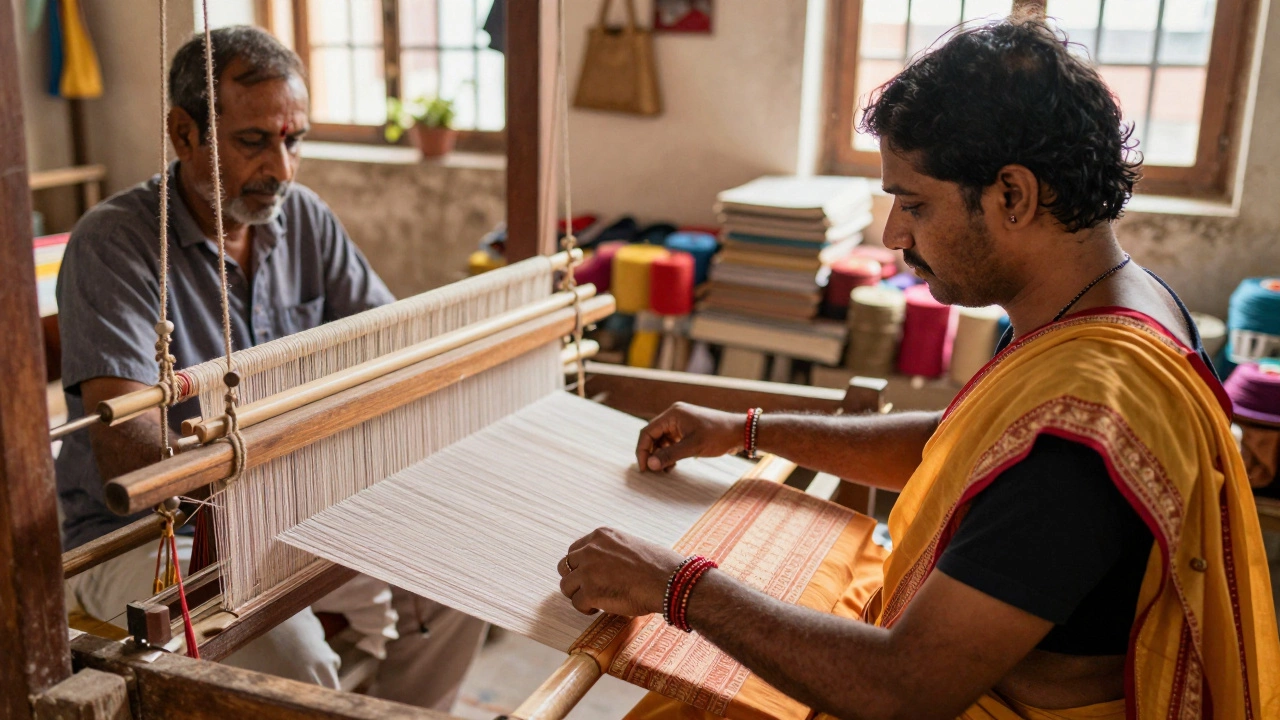
If you are wondering what a real example looks like, imagine spending a day weaving silk with artisans in Varanasi, joining a harvest festival in Punjab, or learning Kathak dance in Jaipur. These aren’t just sightseeing activities. They are immersive experiences that connect you directly to the living heritage of a region. In this guide, we will break down exactly what cultural tourism is, why it matters, and provide concrete examples from across India to show you how to plan your own meaningful journey.
Defining Cultural Tourism: More Than Just Sightseeing
Cultural tourism is travel focused on experiencing the lifestyle, history, arts, and traditions of a specific community. Unlike mass tourism, which often treats destinations as backdrops for selfies, cultural tourism prioritizes interaction and education. The traveler seeks to understand the 'why' behind the 'what'. Why do people celebrate Holi? How is traditional pottery made in Khurja? What stories lie behind the architecture of Hampi?
This type of travel has evolved significantly over the last decade. It is no longer limited to museum visits. Today, it includes culinary tours, homestays, craft workshops, and participation in local festivals. According to the World Tourism Organization (UNWTO), cultural tourism accounts for roughly 40% of all international tourism flows. This shift reflects a growing desire among travelers to move beyond superficial experiences and engage with the authentic soul of a destination.
The core difference lies in engagement. A standard tourist might look at a temple from the outside. A cultural tourist talks to the priest, learns about the symbolism in the carvings, and perhaps joins a morning prayer session. This depth of interaction transforms a trip from a vacation into a learning experience.
Real-World Examples of Cultural Tourism in India
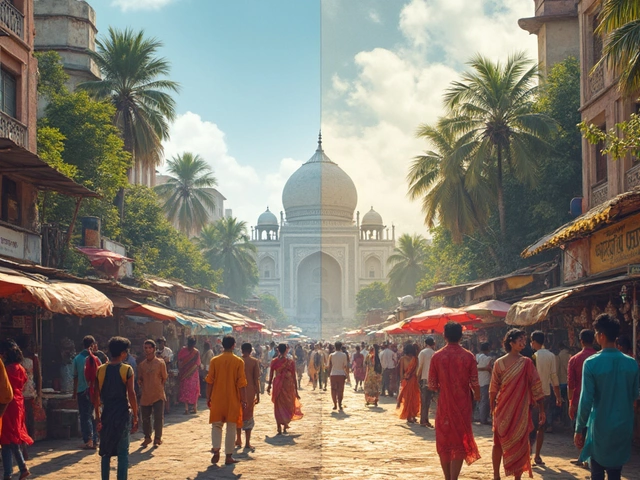
India is one of the best places in the world to practice cultural tourism because of its sheer diversity. Each state, and often each village, has distinct customs, languages, cuisines, and art forms. Here are three detailed examples that illustrate what this kind of travel looks like in action.
1. The Living Heritage of Varanasi
Varanasi, located in Uttar Pradesh, is often cited as the ultimate example of spiritual cultural tourism. While many visitors come to see the Ganga Aarti at Dashashwamedh Ghat, true cultural immersion goes deeper. An example of this is staying in a heritage haveli near the ghats and participating in the daily rituals of the city.
Instead of just watching the evening ceremony, you might hire a local scholar to explain the significance of the offerings, the chants, and the flow of the river. You could visit the Saffron Bazaar early in the morning to understand the trade routes that have supplied spices to the world for centuries. Another powerful example is visiting the Banarasi weavers’ quarters. Here, you can watch master weavers create intricate silk sarees on handlooms, a skill passed down through generations. Some workshops even allow tourists to try their hand at weaving, providing a tactile connection to the craft.
2. Festival Immersion in Rajasthan
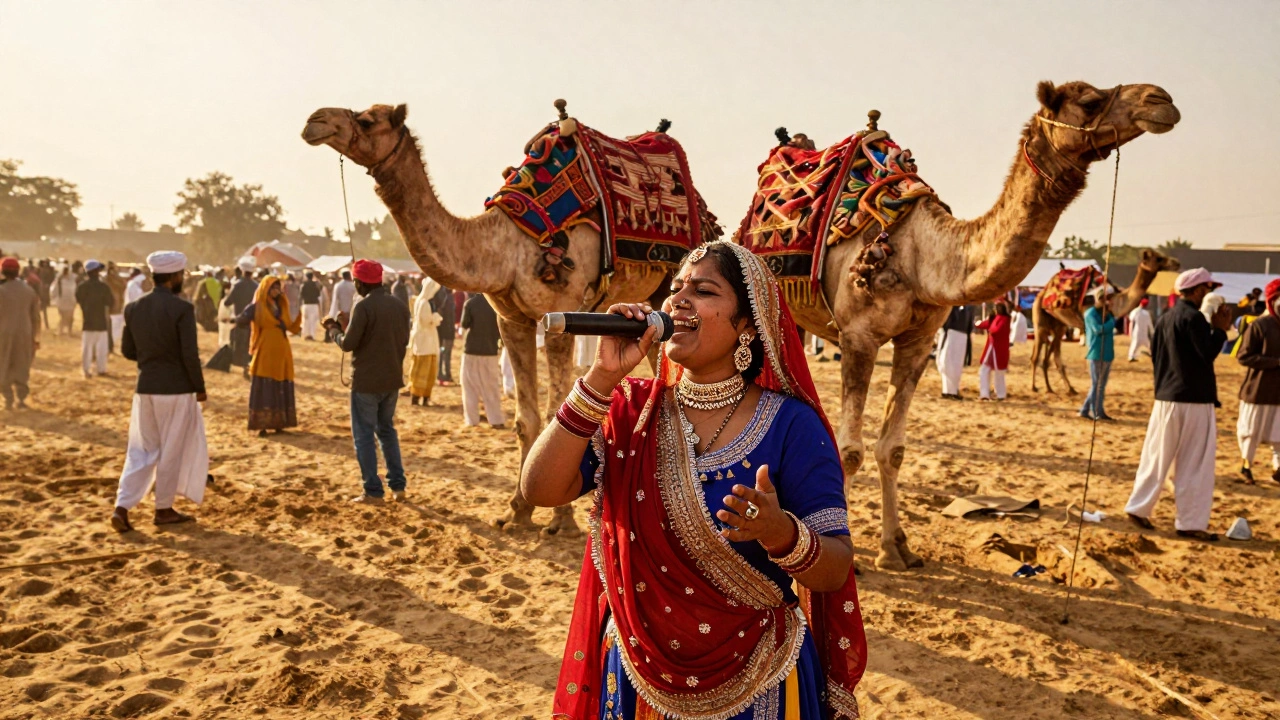
Rajasthan offers vibrant examples of cultural tourism through its festivals. Take the Pushkar Camel Fair, for instance. For a casual observer, it’s a market for camels and livestock. For a cultural tourist, it’s a window into rural Rajasthani life. You can witness folk music performances featuring the camel race, listen to traditional Rajasthani folk songs sung by nomadic tribes, and see the intricate jewelry worn by women from different communities.
Another excellent example is the Teej festival in Jaipur. During this monsoon celebration, women dress in green and swing on decorated swings while singing devotional songs. Travelers who time their visit to coincide with such events can participate in the festivities, learn the dances, and understand the social and religious importance of the season. This isn’t passive observation; it’s active participation in the community’s joy.
3. Tribal Arts and Crafts in Odisha
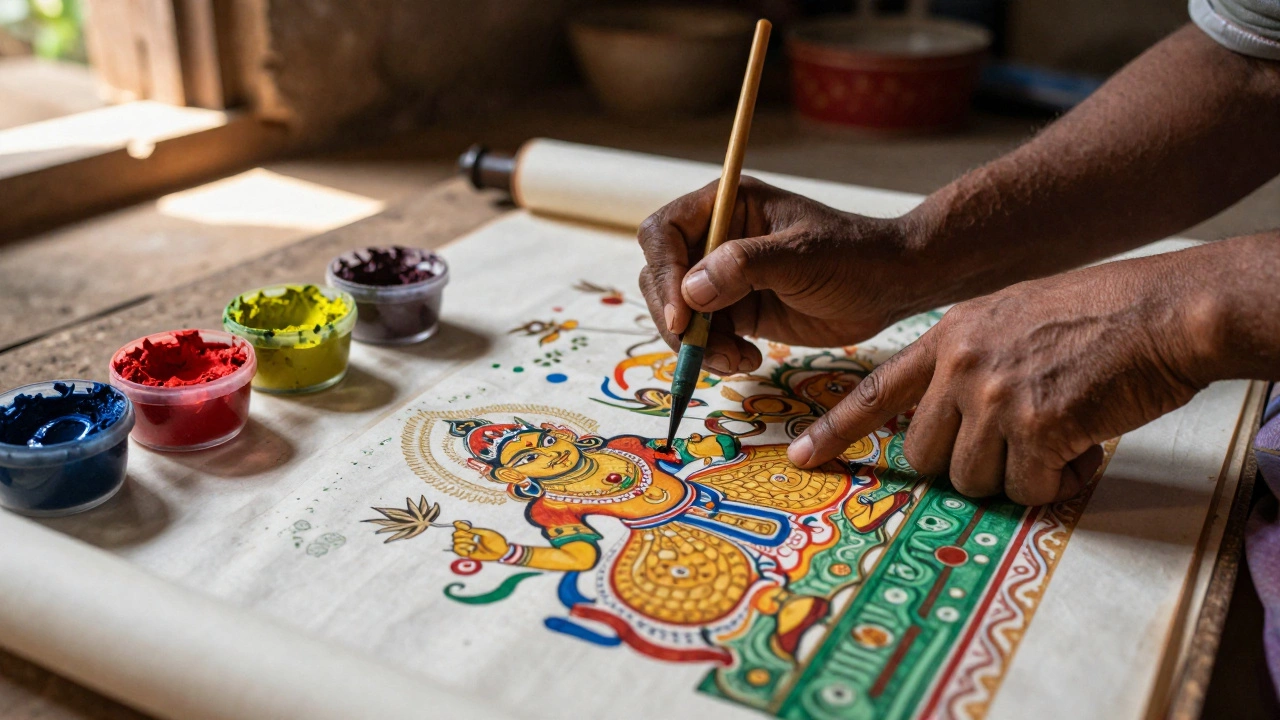
In the eastern state of Odisha, cultural tourism takes a different form, focusing on tribal heritage and classical arts. Pattachitra painting, a traditional scroll painting style, is a prime example. Visitors can travel to villages like Raghurajpur, where entire families are dedicated to this art form. Instead of buying a souvenir in a city shop, you sit with the artist, learn about the natural dyes used, and understand the mythological stories depicted in the paintings.
Odisha is also home to the Chhau dance, a martial art-based dance form. Cultural tourists can attend rehearsals or performances in Purulia or Mayurbhanj, gaining insight into the physical discipline and storytelling techniques involved. This type of travel supports local artisans directly and helps preserve endangered art forms.
| Destination | Primary Cultural Focus | Key Activity Example | Best Time to Visit |
|---|---|---|---|
| Varanasi, UP | Spiritual Rituals & Textile Craft | Weaving workshop & Ganga Aarti explanation | October to March |
| Pushkar, Rajasthan | Folk Traditions & Festivals | Camel Fair participation & folk music | November (during fair) |
| Puri/Raghurajpur, Odisha | Tribal Art & Classical Dance | Pattachitra painting lesson & Chhau dance | December to February |
| Kerala | Performing Arts & Ayurveda | Kathakali makeup demo & Ayurvedic treatment | September to March |
Why Cultural Tourism Matters: Benefits for Travelers and Locals
Cultural tourism is not just good for the traveler; it creates a sustainable economic model for local communities. When you spend money on a cooking class, a guided heritage walk, or a handmade craft, your money stays within the community. This contrasts sharply with large resort chains, where profits often leak out to foreign corporations.
For the traveler, the benefits are equally significant. Studies in psychology suggest that immersive travel reduces stress more effectively than passive relaxation. Engaging with new cultures fosters empathy and breaks down stereotypes. You start to see similarities between your own life and the lives of people thousands of miles away. This emotional connection makes the trip memorable long after you return home.
Furthermore, cultural tourism encourages preservation. When local communities see that their traditions have economic value, they are more likely to pass them on to the next generation. If young people in a village can earn a living teaching traditional pottery, they are less likely to migrate to cities for factory jobs. This helps keep intangible heritage alive.
How to Plan a Meaningful Cultural Trip
Planning a cultural tourism trip requires a different mindset than planning a beach holiday. Here are practical steps to ensure your experience is authentic and respectful.
- Research Beyond Guidebooks: Don’t just read about top attractions. Look for blogs, documentaries, or academic articles about the specific region’s history and current social dynamics. Understanding the context enriches every interaction.
- Choose Local Accommodations: Opt for homestays, heritage havelis, or boutique hotels owned by locals. Staying in a family-run guesthouse in Kerala allows you to share meals with the host family, giving you a glimpse into daily domestic life.
- Hire Local Guides: Avoid generic tour guides. Seek out historians, artists, or community elders who can provide deep insights. A guide who grew up in the neighborhood can tell you stories that no plaque on a wall ever could.
- Respect Local Customs: Dress modestly when visiting religious sites. Ask permission before taking photos of people. Learn a few basic phrases in the local language. These small gestures show respect and open doors to warmer interactions.
- Participate, Don’t Just Observe: If invited to a meal, accept. If offered a chance to try a craft, take it. Engagement is key. However, always be mindful of boundaries and never treat sacred rituals as entertainment.
Common Pitfalls to Avoid
Even well-intentioned travelers can fall into traps that undermine the spirit of cultural tourism. One common mistake is treating culture as a commodity. Taking photos of monks in Bhutan or dancers in Goa without understanding their context can feel exploitative. Always prioritize human connection over content creation.
Another pitfall is expecting everything to be 'traditional.' Modern India is a blend of ancient customs and contemporary life. Expecting every village to look like a museum exhibit leads to disappointment. Embrace the hybrid nature of modern culture-where smartphones coexist with ancient temples.
Finally, avoid overcrowded peak seasons if possible. Visiting during shoulder seasons ensures a more intimate experience and reduces the strain on local infrastructure. It also allows for better conversations with hosts who are less rushed by tourist demands.
The Future of Cultural Tourism in India
As travelers become more conscious of their impact, cultural tourism is expected to grow. The Indian government has launched initiatives like 'Incredible India' to promote lesser-known heritage sites, reducing pressure on popular spots like the Taj Mahal. Digital platforms now connect travelers directly with local artisans and guides, cutting out middlemen and ensuring fair wages.
We are also seeing a rise in 'regenerative tourism,' where visitors actively contribute to the preservation of culture. This might involve volunteering at a heritage site restoration project or donating to a school that teaches traditional arts. This evolution marks a shift from consumption to contribution, making travel a force for good.
What is the best example of cultural tourism?
A strong example is staying in a heritage home in Varanasi and participating in daily rituals, such as the Ganga Aarti, while learning from local scholars. Another example is joining a craft workshop in Odisha to learn Pattachitra painting directly from tribal artists. These activities offer deep immersion rather than passive sightseeing.
How is cultural tourism different from regular tourism?
Regular tourism often focuses on leisure and famous landmarks, with minimal interaction with locals. Cultural tourism prioritizes understanding the local lifestyle, history, and arts. It involves active participation, such as cooking classes, festival attendance, or craft learning, aiming for a deeper educational and emotional connection.
Is cultural tourism expensive?
Not necessarily. While luxury heritage hotels can be pricey, many cultural experiences are affordable. Homestays, street food tours, and free temple visits offer rich cultural exposure at low costs. Hiring local guides for short walks or attending public festivals is also budget-friendly compared to large organized tours.
Where is the best place for cultural tourism in India?
India offers diverse options. Varanasi is ideal for spiritual culture, Rajasthan for royal heritage and festivals, Kerala for performing arts and Ayurveda, and Odisha for tribal crafts and classical dance. The 'best' place depends on your specific interests, whether it's religion, art, cuisine, or history.
How can I ensure my cultural tourism is ethical?
To travel ethically, respect local customs and dress codes, ask permission before photographing people, and spend money at locally-owned businesses. Avoid treating sacred rituals as photo opportunities. Engage genuinely with locals and support initiatives that preserve traditional arts and crafts.