Radhanagar Beach Trip Planner
Plan Your Visit
There are over 7,500 beaches around the globe. Some have white sand, others have black volcanic rock. Some are crowded with tourists, others so remote you’ll see more turtles than people. But if you ask locals, travel experts, and former travelers who’ve visited every corner of the planet, one beach keeps coming up as the #1 best in the world - and it’s not in the Maldives, not in the Caribbean, not even in Australia. It’s Radhanagar Beach on Havelock Island, India.
Why Radhanagar Beach Stands Out
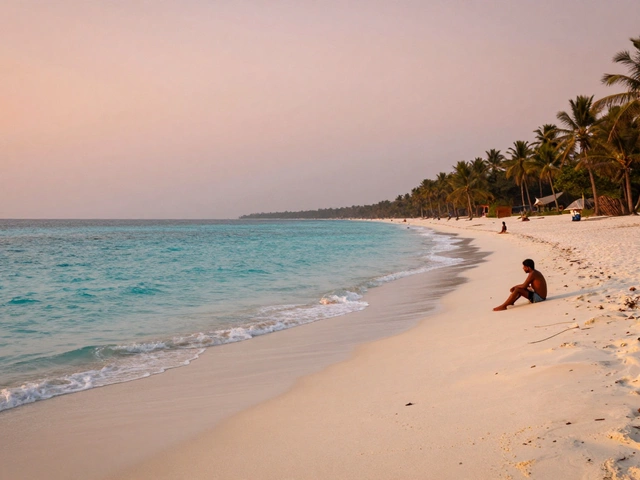
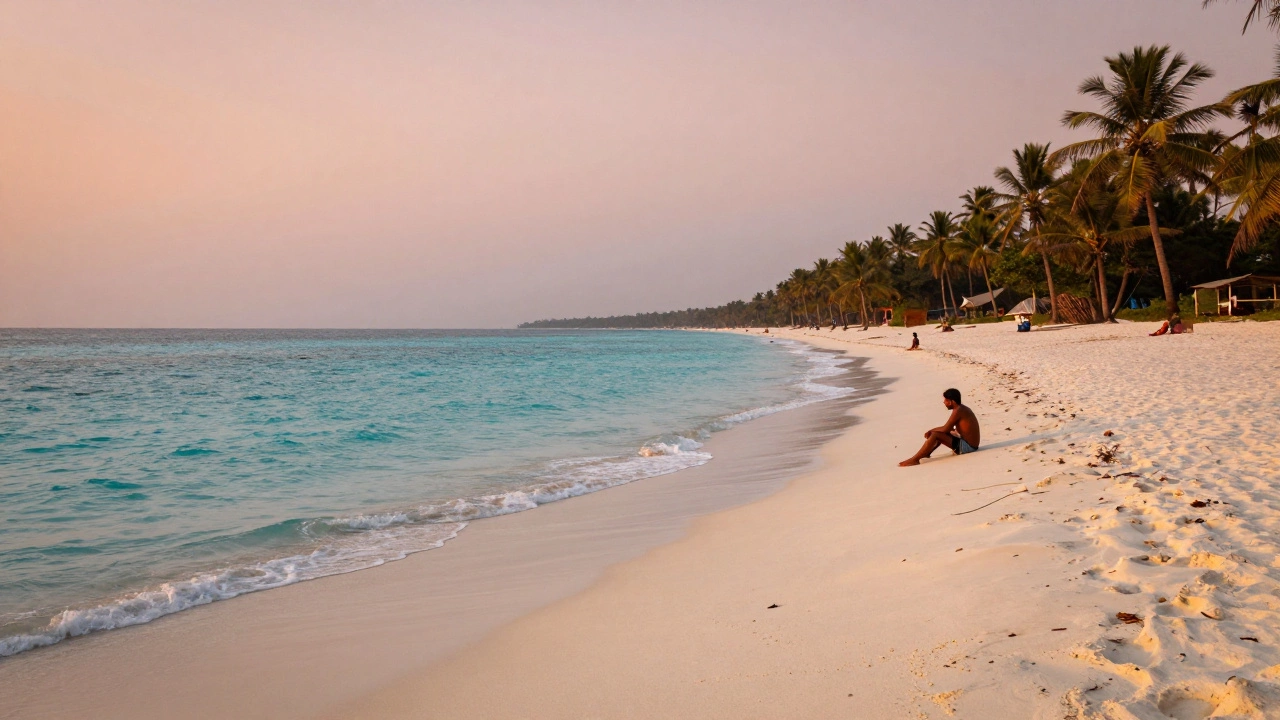
Radhanagar Beach isn’t just pretty. It’s the kind of place that resets your sense of what beauty means. The sand is fine, powdery, and so white it glows under the sun. The water? Crystal clear turquoise, shallow enough to wade for dozens of meters, yet deep enough to swim without fear. At sunset, the sky turns orange, pink, and purple - and the whole beach falls silent as if everyone’s holding their breath.
It’s not just the view. It’s the silence. No loud music. No vendors pushing sunglasses or coconut water. No high-rise hotels lining the shore. Just palm trees swaying, waves rolling in, and the occasional call of a kingfisher. In 2004, Time Magazine named it the best beach in Asia. In 2023, Travel + Leisure ranked it #1 in the world based on reader votes from over 100 countries.
How It Compares to Other Top Beaches
Let’s be honest - you’ve probably heard of Bora Bora, the Maldives, or Whitehaven Beach in Australia. They’re stunning. But here’s the difference:
| Beach | Sand Quality | Water Clarity | Crowds | Development | Accessibility |
|---|---|---|---|---|---|
| Radhanagar Beach, India | Soft, powdery white | Exceptional - 10+ meters visibility | Moderate (peak season only) | Minimal - no high-rises, no chains | Requires ferry + 20-min drive |
| Bora Bora, French Polynesia | White, but coarse in spots | Very good | High - luxury resorts dominate | Heavy - resorts, overwater bungalows | Only via private plane |
| Whitehaven Beach, Australia | 98% pure silica - very fine | Excellent | Medium to high | Controlled - protected park | Boat only, no cars |
| Anse Source d’Argent, Seychelles | Granite pebbles mixed with sand | Good | Very high | Some lodges, lots of tourists | Short flight + taxi |
Radhanagar wins because it doesn’t feel like a tourist attraction. It feels like a secret you stumbled upon. No entrance fee. No plastic bottles on the shore. No jet skis. Just nature, untouched.
When to Visit
The best time to go is between November and April. That’s when the monsoon is done, the sea is calm, and the air is dry and warm - around 27°C (80°F). December and January are peak months, so book your ferry tickets early. If you want fewer people, go in late November or early March. The water stays warm year-round, but May to October brings heavy rain and rough seas. You won’t be able to swim, and ferries often cancel.
One tip: arrive before 10 a.m. or after 4 p.m. The beach gets busy between noon and 3 p.m., especially with day-trippers from Port Blair. Early mornings mean you’ll have the water to yourself - perfect for swimming or just lying under a palm tree with a book.
How to Get There
Havelock Island (Swaraj Dweep) is part of the Andaman and Nicobar Islands, about 700 kilometers east of India’s mainland. Here’s how to get there:
- Take a flight to Veer Savarkar International Airport in Port Blair (from Delhi, Mumbai, Kolkata, or Chennai).
- From Port Blair, catch a government ferry to Havelock Island. The ride takes 2-3 hours and costs ₹500-₹1,200 depending on class.
- Once on Havelock, hire a taxi or scooter (₹800-₹1,200 for a full day) to Radhanagar Beach. It’s a 15-minute drive from the jetty.
There are no ride-sharing apps on the island. No Uber. No Ola. So plan ahead. Most guesthouses and hotels offer pickup from the ferry terminal - ask when booking.
What to Bring
You won’t need much, but here’s what actually matters:
- Reef-safe sunscreen - chemical sunscreens are banned in many Indian marine parks to protect coral.
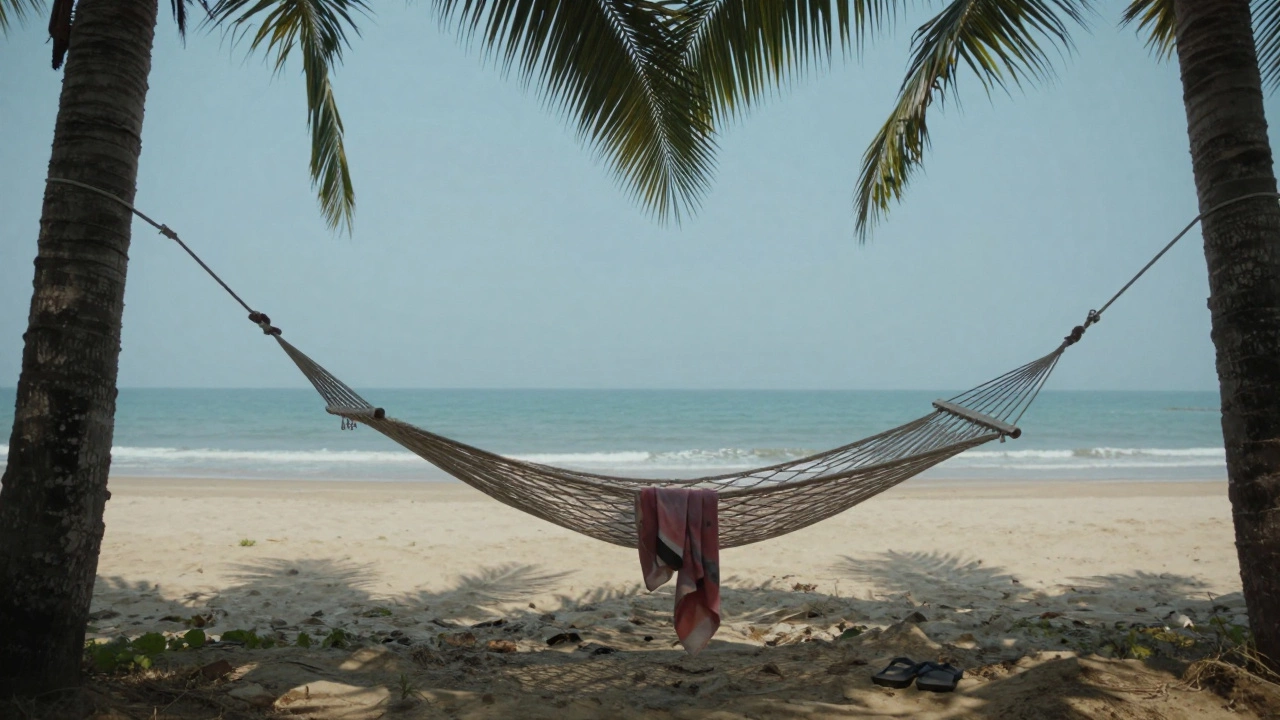
- A towel or sarong - most beach shacks don’t rent them.
- Waterproof phone case - you’ll want to take photos in the shallows.
- Flip-flops - the sand is soft, but the path from the road to the beach has sharp coral fragments.
- Snacks and cash - there are no ATMs on the beach. Only small stalls selling coconut water, fruit, and simple meals.
Leave the expensive jewelry at home. The island is safe, but there’s no point tempting fate.
What You Won’t Find
Radhanagar Beach doesn’t have:
- Resorts lining the shore
- Water sports rentals (no parasailing, no jet skis)
- Bars or nightclubs
- Wi-Fi on the beach
That’s not a flaw. It’s the point. This isn’t a party beach. It’s a place to disconnect. To breathe. To watch the sun melt into the ocean without a single phone light interrupting the view.
Why It’s More Than Just a Beach
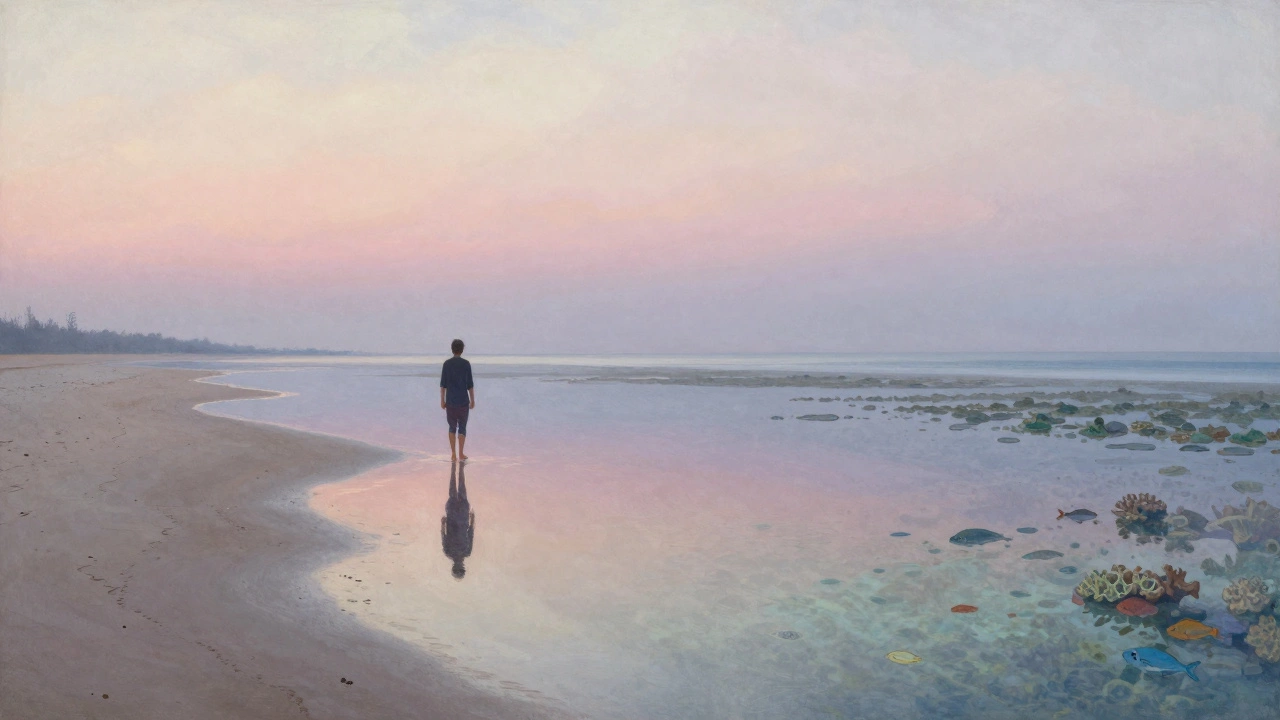
Radhanagar isn’t just about the sand and water. It’s part of a larger marine ecosystem. The coral reefs just offshore are home to over 150 species of fish, sea turtles, and even occasional dolphins. Snorkeling here is free - just walk out 20 meters and you’ll see parrotfish, clownfish, and giant clams.
The Indian government protects this area under the Andaman and Nicobar Environmental Team (ANET). No fishing, no anchoring on reefs, no littering. That’s why the water stays so clear. That’s why the turtles still come to lay eggs here every year.
People come to Radhanagar for the beach. They stay for the peace. And many - I’ve talked to them - never leave India after this. They book another flight. They find a small house on the island. They start writing. Or painting. Or just sitting quietly, watching the tide.
Final Thought
There are beaches with better nightlife. Beaches with more luxury. Beaches that are easier to reach. But none that feel more like the earth was made just for you.
If you’ve ever wondered what paradise looks like - it’s not a postcard. It’s Radhanagar Beach on a quiet afternoon, with the wind in your hair, the sand warm under your feet, and the ocean whispering behind you.
Is Radhanagar Beach really the #1 beach in the world?
Yes, according to multiple global surveys including Travel + Leisure’s 2023 reader poll, which ranked it #1 out of over 1,000 beaches worldwide. It also topped Time Magazine’s list of Asia’s best beaches in 2004 and has held top positions in Lonely Planet and Condé Nast Traveler rankings for over a decade. Locals and frequent visitors agree - it’s unmatched in natural beauty and serenity.
Can I visit Radhanagar Beach on a budget?
Absolutely. You don’t need luxury to enjoy it. Ferry tickets from Port Blair cost as little as ₹500. Basic guesthouses on Havelock Island start at ₹1,200 per night. Beach shacks serve fresh fish curry and rice for ₹150-₹250. There’s no entrance fee. The only costs are transport and food - both very affordable. Many backpackers stay for weeks on ₹2,000 a day.
Are there any dangers at Radhanagar Beach?
The main risks are sunburn and dehydration. The sun is strong year-round. Always wear reef-safe sunscreen and drink plenty of water. There are no strong currents near shore, but avoid swimming during monsoon season (May-October) when waves can turn dangerous. Jellyfish are rare, but if you see one, don’t touch it. The beach is patrolled by local authorities, and there’s a small medical outpost nearby.
Is it safe for solo travelers or women?
Yes. The Andaman Islands are among the safest places in India for solo travelers. Crime is extremely low. Locals are respectful and helpful. Radhanagar Beach is a quiet, family-friendly spot. Women travel here alone regularly. Just use common sense - don’t walk alone on remote paths after dark, and keep your belongings visible. Most guesthouses offer secure storage.
Can I snorkel or dive at Radhanagar Beach?
You can snorkel for free right from the shore - the coral is visible just 10-20 meters out. For scuba diving, you’ll need to book a guided tour from one of the dive centers on Havelock Island. Prices start at ₹2,500 for a single dive. The reefs here are protected, so only certified operators are allowed. Don’t attempt to dive alone - currents can be unpredictable even in calm weather.
Next time you plan a trip, skip the crowded resorts. Skip the expensive packages. Go where the water is still, the sand is pure, and the sky doesn’t need a filter. Radhanagar Beach isn’t just the best beach in the world - it’s the kind of place that changes how you see travel forever.