Honeymoon Purpose Quiz
Think you know why honeymoons matter? Take this quick quiz to see if you understand the deeper purpose behind the trip.
Loading question...
Quiz Complete!
You scored 0 out of 5.
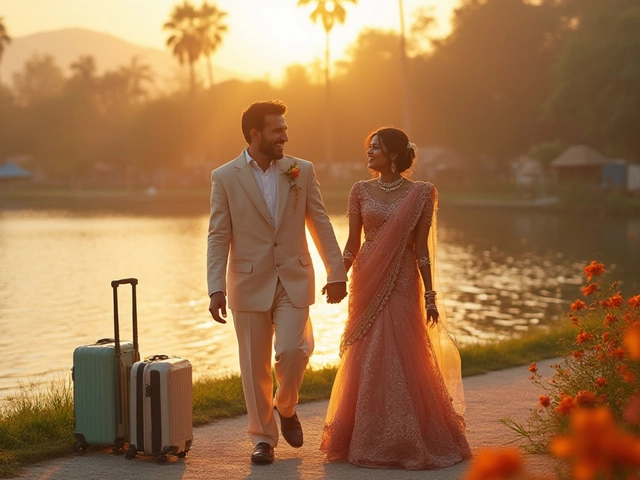
You just got married. The confetti is swept up, the last guest has left, and you are staring at a plane ticket to Bali or maybe a cabin in the Swiss Alps. But then it hits you: what is the main purpose of a honeymoon? It isn't just about getting away from work; it's a critical transition period for two people becoming one unit. If you think it's just an expensive vacation, you're missing the point. A honeymoon serves three distinct functions that regular vacations simply don't cover: decompression from wedding stress, establishing new relational routines, and creating shared memories that anchor your marriage.
The Psychology of Decompression
Weddings are high-stress events. Even if you planned them perfectly, the months leading up to the big day involve family negotiations, budget battles, and logistical nightmares. Your nervous system has been running on cortisol and adrenaline for weeks. When the ceremony ends, that energy doesn't just vanish. It crashes.
This is where the first purpose kicks in: biological and psychological reset. You need distance from the environment where the planning happened. Going home immediately after the wedding often means dealing with thank-you notes, returning rented items, and visiting relatives who weren't at the party. That's not relaxation; that's phase two of the wedding project.
A proper honeymoon removes these triggers. It allows your brain to shift from "execution mode" to "being mode." Think of it like a hard reboot for your computer. You can't run complex new software (your marriage) while old background processes (wedding logistics) are still eating up all your RAM.
Establishing New Relational Routines
Living together before marriage is common now, but there is a subtle shift when you say "I do." You are no longer dating; you are building a household. This sounds romantic, but practically, it involves mundane decisions: who takes out the trash, how we spend free time, what our morning routine looks like.
A honeymoon acts as a low-stakes sandbox for these new dynamics. On a normal weekend, you might be distracted by chores or friends. On a honeymoon, you have nowhere else to be. You learn how your partner handles boredom, how they navigate a foreign menu, and how they react when things go wrong-like a missed flight or a rainstorm during a hike.
These micro-interactions build trust faster than years of casual dating. You see each other unfiltered. There is no performance here. You aren't trying to impress; you are trying to survive and enjoy. This vulnerability accelerates intimacy in a way that dinner dates never could.
Creating Shared Anchors
Every long-term relationship needs reference points. These are the stories you tell your children, the jokes you share, the moments that define your identity as a couple. "Remember when we got lost in Kyoto?" becomes part of your shared language.
Without a honeymoon, couples often jump straight into mortgage payments and career pressures. They skip the chapter where they exist solely for each other. This creates a gap in your narrative. Years later, you might realize you have plenty of photos of the wedding, but few images of just the two of you exploring the world without an audience.
These anchors serve a practical function too. During tough times in the marriage-which every marriage has-you can mentally return to those positive peaks. Recalling the joy of a sunset in Santorini or the laughter over bad food in Rome provides emotional resilience. It reminds you why you chose this person.

Debunking Common Myths
Let's clear up some confusion because social media has warped our expectations. Many couples believe a honeymoon must be luxurious, exotic, and Instagram-worthy. This pressure turns rest into another performance task.
| Common Myth | Actual Purpose | Actionable Tip |
|---|---|---|
| It must be far away. | It must be disconnected. | A local cabin works if you turn off your phone. |
| It requires a huge budget. | It requires quality time. | Cook meals instead of dining out to save money for experiences. |
| It should be packed with activities. | It should allow for spontaneity. | Schedule only one thing per day; leave the rest open. |
The goal isn't to check boxes on a bucket list. It's to connect. If you spend three days reading books side-by-side on a beach and talking about your future, that is a successful honeymoon. If you rush through five cities and argue about schedules, you've failed the primary objective regardless of how many photos you took.
Timing Matters More Than Destination
There is a debate about when to take the trip. Some wait six months to save money. Others go the next day. From a psychological standpoint, sooner is usually better. The emotional momentum of the wedding fades quickly. Waiting too long can lead to "post-wedding blues," where the anticlimax feels heavy.
However, immediate departure isn't always realistic due to work commitments. If you must wait, keep the connection alive. Don't let daily life swallow the transition. Use the waiting period to plan intentionally, not just logistically. Discuss what you actually want from the trip. Do you want adventure? Rest? Culture? Aligning on this prevents conflict once you arrive.

How to Structure Your Time
To maximize the purpose of your honeymoon, structure your days loosely. Rigidity kills relaxation. Here is a simple framework that works for most couples:
- Mornings: Slow start. No alarms. Breakfast together. This sets a calm tone.
- Mid-days: One main activity. A tour, a hike, a museum visit. Keep it engaging but not exhausting.
- Afternoons: Free time. Naps, reading, wandering. Let individual interests breathe.
- Evenings: Connection time. Dinner, walks, deep conversations. Put phones away.
This balance ensures you get both shared experiences and personal space. Too much togetherness can feel suffocating, especially if you haven't lived together long. Too little interaction misses the point of the trip.
When Things Go Wrong
Flights get delayed. Hotels lose reservations. It rains. How you handle these hiccups defines the honeymoon more than the perfect moments. If you blame each other for a missed train, you create negative anchors. If you laugh about it and find a workaround, you strengthen your team dynamic.
Treat problems as puzzles to solve together, not failures to assign fault to. This mindset shifts the focus from "who messed up" to "how do we fix this." That collaborative problem-solving is exactly what you'll need in fifty years of marriage.
Frequently Asked Questions
Is a honeymoon necessary if we already live together?
Yes. Living together builds domestic habits, but a honeymoon builds marital identity. It marks the transition from roommates/partners to spouses. The dedicated time away creates a mental separation between pre-marriage and post-marriage life, which is psychologically significant even if your living situation hasn't changed.
How long should a honeymoon last to fulfill its purpose?
There is no magic number, but most experts suggest at least seven days. The first two days are often spent settling in and recovering from travel fatigue. By day three or four, you begin to relax into the rhythm. Shorter trips may not provide enough time to decompress fully, while very long trips can become exhausting or financially stressful.
Can we invite family or friends on our honeymoon?
Generally, no. The core purpose is exclusive bonding. Adding third parties changes the dynamic from intimate partnership to group socializing. If you want to include others, consider a separate family trip later. Save the honeymoon for just the two of you to maximize the benefits of undivided attention and private conversation.
What if we can't afford an expensive trip?
Cost does not equal value. The purpose is disconnection and connection, not luxury. A camping trip, a staycation in a nearby city, or a road trip can be equally effective. Focus on removing digital distractions and work obligations rather than spending money on five-star amenities.
Should we plan every minute of the itinerary?
No. Over-planning leads to stress and arguments. Plan major elements like flights and accommodation, but leave daily schedules flexible. Spontaneity allows you to follow your mood and energy levels, which enhances relaxation and reduces the pressure to "perform" tourism.