UNESCO Heritage Site Explorer
Select a site below to view detailed visitor statistics, accessibility ratings, and key historical facts based on ASI data.
Taj Mahal
Top TrafficRed Fort
Urban AccessQutub Minar
Local FavoriteHampi
Remote BeautyJaisalmer Fort
Living HeritageSelect a Site to View Details
Click on one of the cards above to see visitor trends, accessibility insights, and practical tips for that specific monument.
Quick Tip
Pro tip: Visit on Tuesday mornings for fewer crowds at most major sites.
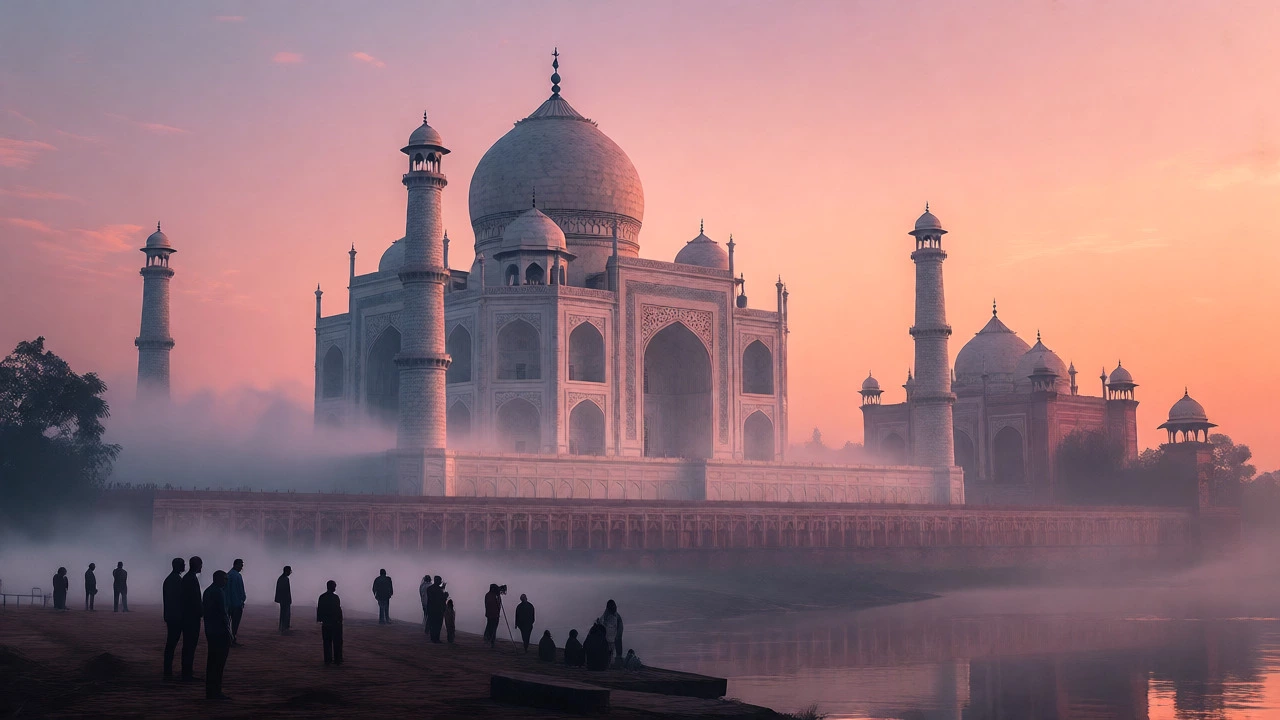
You stand at the edge of the Yamuna River. The morning mist clings to the white marble domes. Thousands of people surround you, cameras clicking, guides shouting over the noise. This isn't just a tourist spot; it's a global phenomenon. But if you ask which Taj Mahal is truly the most visited UNESCO World Heritage site in India, the answer might surprise you with its sheer scale of human traffic.
While the Taj Mahal often grabs headlines for its beauty, data from the Archaeological Survey of India (ASI) reveals a more complex picture of visitor numbers. To understand what draws millions to these historic spots, we need to look beyond the postcards. We need to look at access, infrastructure, and the raw footfall statistics that define modern tourism in South Asia.
The Undisputed Champion: Why the Taj Mahal Leads
Let’s address the elephant in the room first. When people think of India’s heritage, they think of the Taj Mahal. It is an Islamic mausoleum located in Agra, Uttar Pradesh, commissioned by Mughal emperor Shah Jahan in memory of his wife Mumtaz Mahal. For years, it has held the title of the most visited monument in India, not just among UNESCO sites, but overall.
In recent pre-pandemic and recovery years, the Taj Mahal saw annual visitor counts exceeding 6 to 7 million people. That is roughly 18,000 to 20,000 people every single day. Why so many? Simple geography and marketing. Agra is easily accessible from Delhi, the capital city, via the Yamuna Expressway. The drive takes under three hours. For international tourists doing a "Golden Triangle" tour (Delhi-Agra-Jaipur), skipping the Taj is almost unheard of.
But here is the catch: high visibility doesn’t always equal the highest number of unique entries if we strictly count paid tickets versus free local entry. However, in terms of global recognition and commercial ticket sales, the Taj remains the kingpin. Its status as a UNESCO World Heritage Site since 1983 cemented its place on every traveler’s bucket list.
The Rival Contenders: Red Fort and Qutub Minar
If you dig deeper into ASI reports, another name pops up frequently: the Red Fort in Delhi. Like the Taj, it was inscribed as a UNESCO site in 2007. Located in the heart of Old Delhi, its accessibility is arguably even higher than Agra’s because it sits within the city itself.
During national holidays like Independence Day, the Red Fort becomes a focal point for millions of domestic tourists. While daily ticket sales are lower than the Taj’s steady stream, the cumulative footfall during festivals and weekends can spike dramatically. The Red Fort benefits from being part of a dense urban environment where people can walk in casually, whereas the Taj requires a specific trip out of town.
Then there is the Qutub Minar, also in Delhi. Inscribed in 1993, this minaret is the tallest brick minaret in the world. Because it is located in Mehrauli, a residential area with good metro connectivity, it sees massive local traffic. Locals visit for picnics, history classes, and quick cultural outings. This domestic volume boosts its total visitor count significantly, sometimes rivaling the Taj on specific days.
Beyond the North: Southern Powerhouses
Northern India dominates the visitor charts due to population density and proximity to major airports. But southern India has its own heavyweights. The Group of Monuments at Hampi in Karnataka is a UNESCO site known for its surreal boulder landscapes and Vijayanagara Empire ruins. While beautiful, its remote location means fewer casual visitors compared to Delhi or Agra.
However, the Hill Forts of Rajasthan, specifically Jaisalmer Fort and Chittorgarh Fort, see substantial traffic. Jaisalmer is unique because people still live inside the fort walls. This living heritage aspect attracts travelers looking for authentic experiences rather than just museum-like visits. Yet, in pure numbers, these sites lag behind the northern giants due to longer travel times from major hubs.
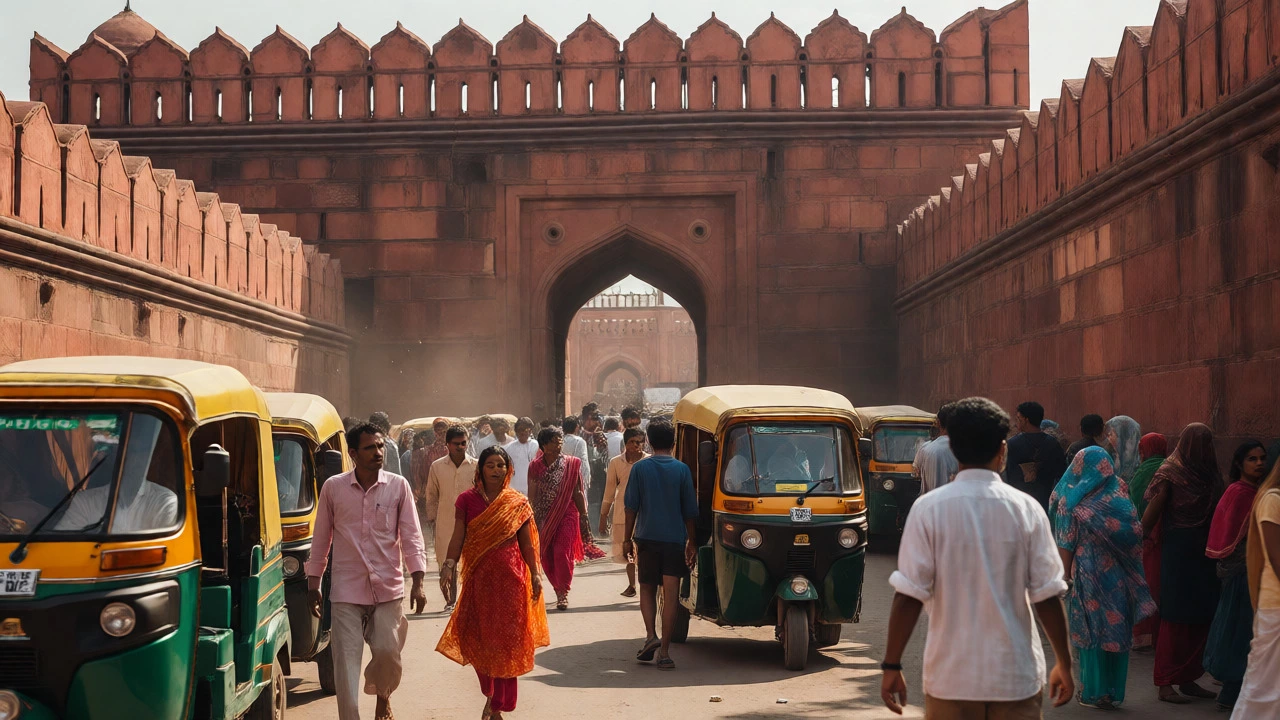
Comparing Visitor Traffic and Accessibility
To make sense of the competition, let’s look at how these sites stack up against each other. It’s not just about beauty; it’s about logistics.
| Site Name | Location | UNESCO Year | Primary Draw | Accessibility Rating |
|---|---|---|---|---|
| Taj Mahal | Agra, UP | 1983 | Iconic Architecture | High (3 hrs from Delhi) |
| Red Fort | Delhi | 2007 | Mughal History | Very High (Metro Access) |
| Qutub Minar | Delhi | 1993 | Architectural Marvel | Very High (Metro Access) |
| Hampi | Karnataka | 1986 | Ruins & Landscape | Moderate (Requires Flight/Train) |
| Jaisalmer Fort | Rajasthan | 2013 | Living Heritage | Moderate (Remote Desert) |
The table highlights a clear trend: proximity to major transport hubs drives visitor numbers. The Taj Mahal wins not just because it is pretty, but because it is easy to get to. If you put the Taj Mahal in the middle of the Sahara Desert, its visitor count would plummet. Accessibility is the silent partner in tourism success.
The Impact of Tourism Management
With great power comes great responsibility. Or in this case, with great visitor numbers comes great wear and tear. The Archaeological Survey of India (ASI) manages these sites. They have implemented strict rules to protect the monuments.
For the Taj Mahal, you cannot enter after sunset except on full moon nights. Plastic bags are banned. Shoes must be removed or covered. These rules exist because millions of feet erode the stone. At the Red Fort, similar restrictions apply to preserve the sandstone structures.
Have you noticed that some sites feel crowded while others feel serene? That is partly due to ticketing systems. Online booking has become mandatory for foreign tourists at many sites, helping to manage flow. Domestic tourists still rely heavily on on-site counters, leading to weekend jams. If you want a peaceful experience, visit on a Tuesday morning. Avoid public holidays unless you enjoy being part of a sea of humanity.
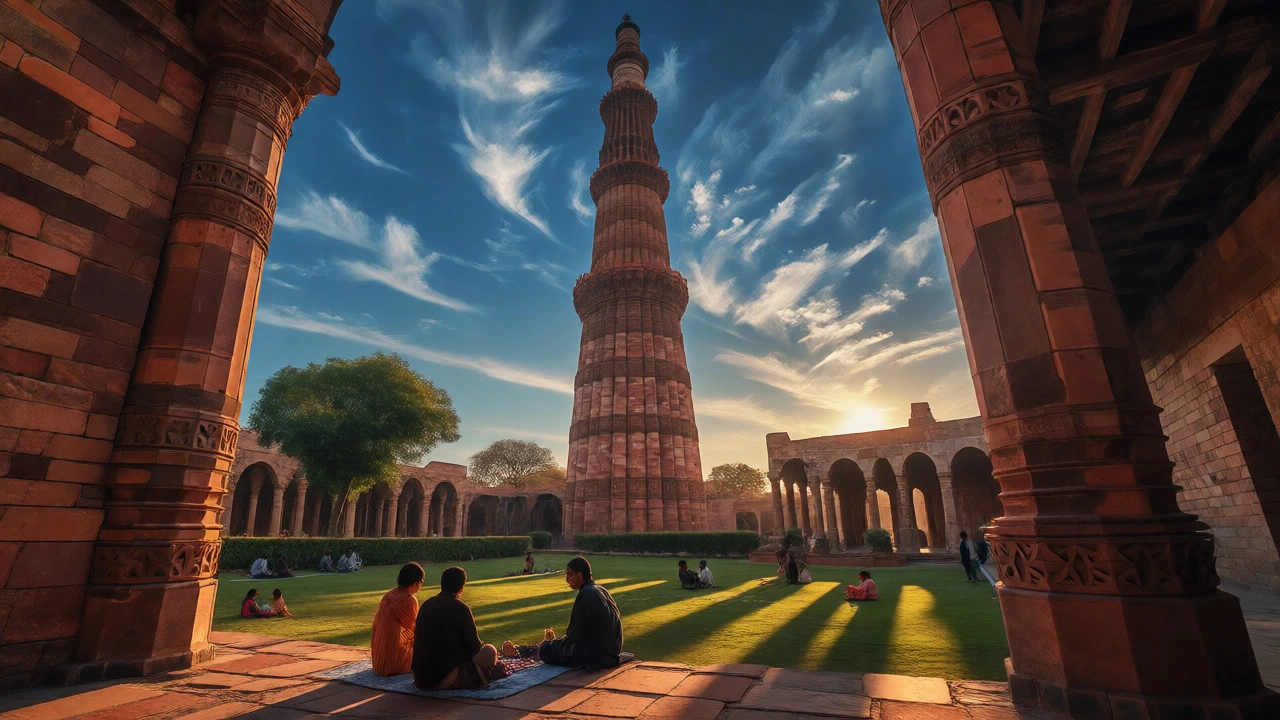
Why Visitors Choose One Over Another
Why does someone choose the Ellora Caves in Maharashtra over the Taj? Ellora, inscribed in 1983, features rock-cut architecture representing Buddhism, Hinduism, and Jainism. It appeals to those interested in religious history and ancient engineering. It is less "Instagrammable" in the traditional sense but offers a profound spiritual atmosphere.
Conversely, families often prefer the Humayun’s Tomb in Delhi. It serves as the prototype for the Taj Mahal. Being in Delhi, it allows tourists to combine a visit with shopping or dining nearby. It is a smarter logistical choice for short trips.
International backpackers might flock to Khajuraho Group of Monuments in Madhya Pradesh. Famous for their erotic sculptures, these temples attract a niche but dedicated crowd. They are harder to reach, requiring flights to Khajuraho airport, which filters out the mass market tourists.
Practical Tips for Visiting Top Sites
Planning a trip to these heritage sites requires strategy. Here is how to handle the crowds:
- Book Tickets Online: Always buy your tickets in advance through the official ASI website. This saves hours in queues.
- Go Early: Gates open at sunrise. Be there 15 minutes before. You will get better light for photos and fewer people.
- Hire Official Guides: Look for guides with government badges. They provide accurate historical context, unlike unauthorized touts who invent stories.
- Check Closure Days: Most monuments close on Fridays. Plan your itinerary around this.
- Dress Comfortably: Wear shoes that are easy to remove. Many sites require you to take them off at the entrance.
The Future of Heritage Tourism in India
India is seeing a shift in how people travel. There is a growing interest in "slow tourism," where visitors stay longer in one place to absorb the culture. This benefits lesser-known UNESCO sites like the Sundarbans National Park or the Western Ghats.
These natural heritage sites offer a different kind of value-ecological balance and wildlife encounters. As climate change impacts these regions, preserving them becomes urgent. Tourists are becoming more conscious of their carbon footprint. Eco-friendly practices are gaining traction, influencing how sites are managed.
The government is also investing in infrastructure. New highways and improved rail links are making remote sites more accessible. In five years, the hierarchy of "most visited" might change as new destinations rise in popularity.
Is the Taj Mahal the only UNESCO site in Agra?
No, Agra also hosts the Agra Fort, which is also a UNESCO World Heritage Site. It is a red sandstone fortress built by Akbar and later modified by Shah Jahan. It is located just 2.5 km from the Taj Mahal and is often included in the same day trip.
Which UNESCO site in India gets the most foreign tourists?
The Taj Mahal consistently receives the highest number of foreign tourists. Its global fame makes it a mandatory stop for international visitors traveling to India. Other sites like Hampi and Goa churches attract foreigners too, but not in the same volume.
Can I visit the Taj Mahal on Friday?
No, the Taj Mahal is closed to visitors on Fridays. This closure is for maintenance and prayer purposes. Plan your visit for any other day of the week, keeping in mind that weekends are significantly more crowded.
Are there special night viewings of the Taj Mahal?
Yes, the Taj Mahal offers night viewing sessions on the full moon night and two nights before and after. Tickets must be booked in advance online. This experience is highly sought after for its magical illumination of the white marble.
How long should I spend at the Red Fort?
A thorough visit to the Red Fort takes about 2 to 3 hours. If you hire a guide and explore the museums inside, it could take longer. Arriving early helps avoid the heat and crowds, especially in summer months.