Find Your Perfect Indian Dish
Not sure what to order? Answer these three questions to find your match.
You land in Delhi or Mumbai, your stomach growls, and you are faced with a menu that looks like it was written by a poet who really loved spices. You see Butter Chicken, Biryani, Dosa, and a hundred other names you can barely pronounce. The question hits you: what is actually the nicest Indian dish? Is there one single winner? Spoiler alert: No. But there is a right answer for you, depending on whether you want comfort, heat, texture, or a sugar rush.
This isn't just about picking something tasty. It’s about understanding the regional soul of India through its plate. If you’re traveling on a budget, knowing which dishes give you the most flavor per rupee is a superpower. Let’s break down the heavy hitters, the hidden gems, and how to order like a local without regretting your life choices.
The Global Superstar: Butter Chicken
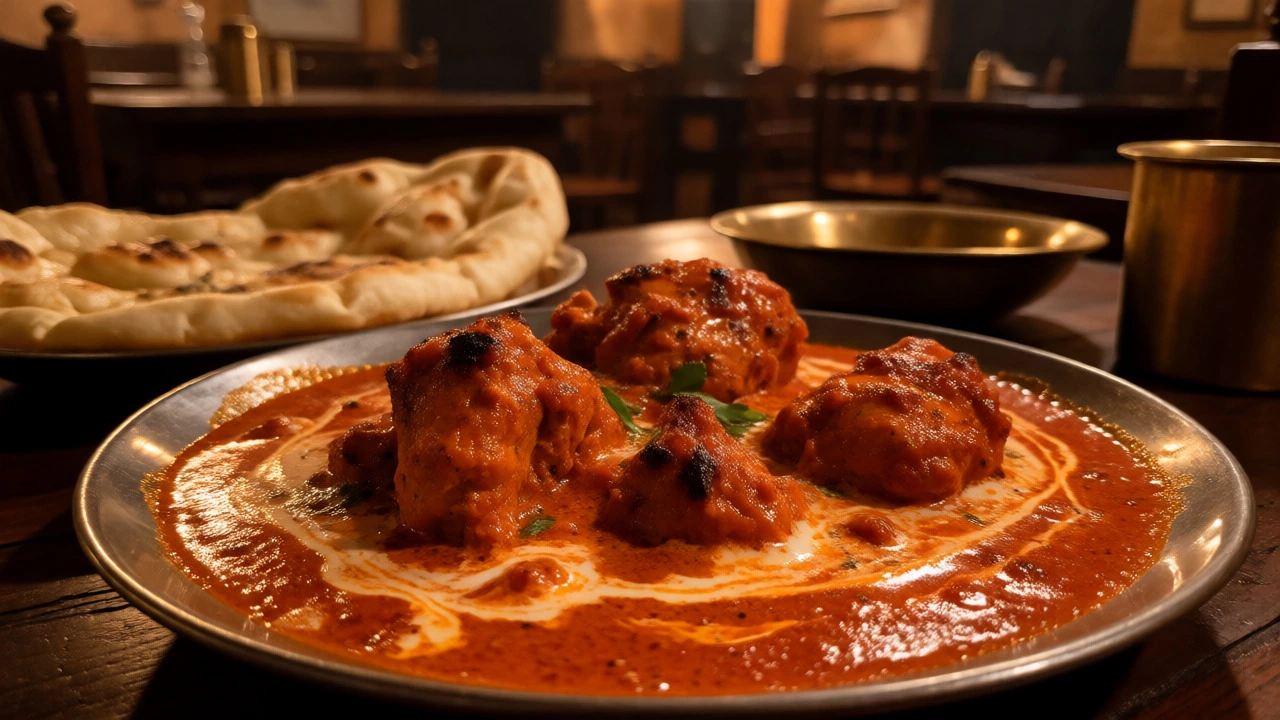
If we were voting based on international recognition alone, Butter Chicken (or Murgh Makhani) would take the crown. Created in the 1950s at Moti Mahal in Delhi, this dish is essentially tandoori chicken swimming in a rich, tomato-based gravy enriched with butter and cream.
Why do people love it? It’s forgiving. The sauce masks any slight overcooking of the chicken, and the mild spice level makes it accessible to almost every palate. For a traveler, it’s safe but satisfying. However, here is the trap: many tourist spots serve a version that tastes like ketchup mixed with sugar. Authentic Butter Chicken should have a deep, smoky char from the tandoor oven and a tangy kick from dried fenugreek leaves (kasuri methi). If it tastes too sweet, send it back.
The Textural Masterpiece: Masala Dosa
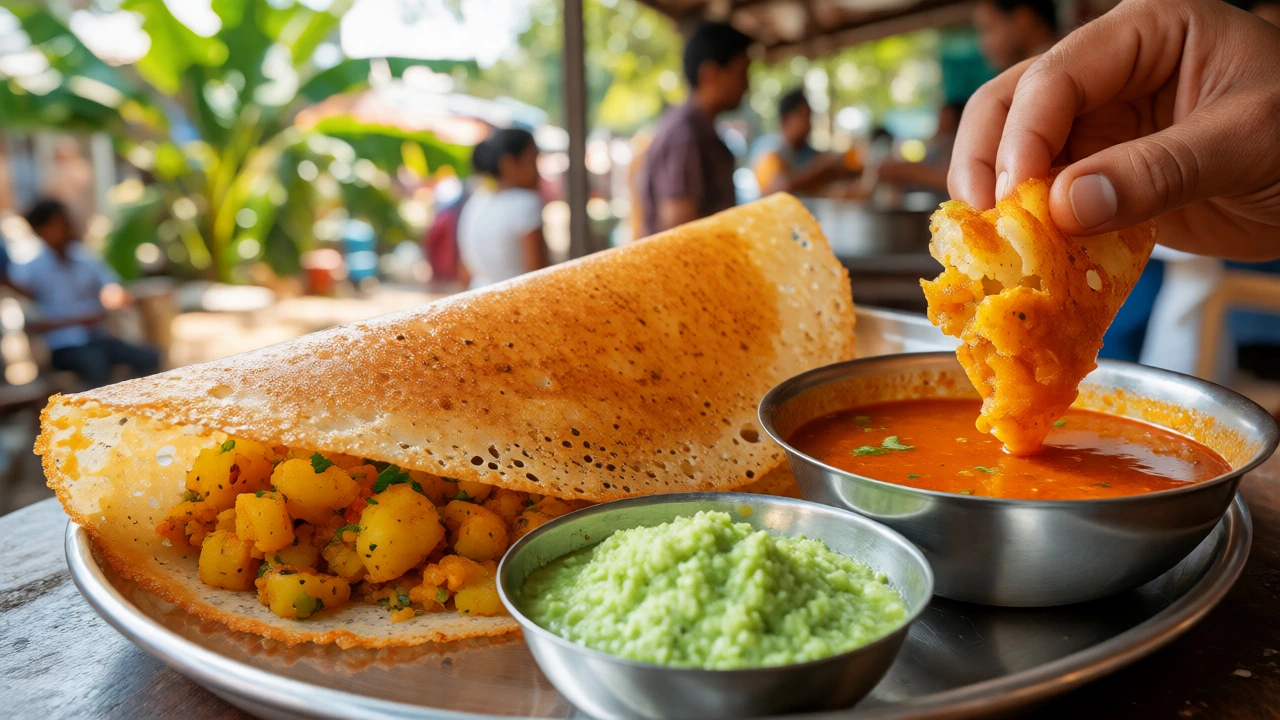
Move south, and the vibe changes completely. In Karnataka, Tamil Nadu, and Kerala, breakfast and dinner often blur into one glorious meal: the Masala Dosa. This is a fermented crepe made from rice and urad dal batter, spread thin on a hot griddle until crisp, then filled with spiced potatoes.
Unlike the heavy curries of the north, a dosa is light yet filling. The magic lies in the accompaniments: coconut chutney for freshness and sambar (a lentil-based vegetable stew) for depth. When you tear off a piece of crispy dosa and dip it into piping hot sambar, you get a contrast of textures that few foods can match. It’s cheap, vegetarian-friendly, and incredibly energizing for a day of sightseeing. If you only eat one thing in South India, make it this.
The Royal Feast: Hyderabadi Biryani
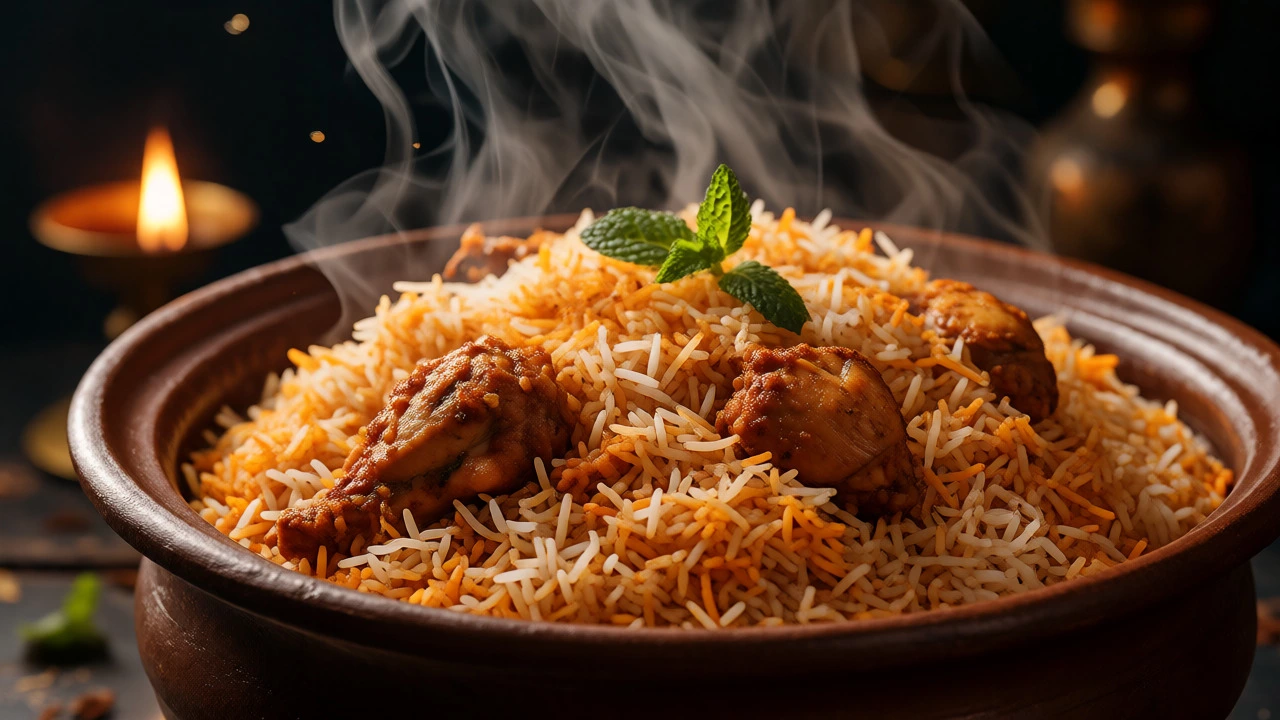
Is Biryani a dish or an event? In Hyderabad, it’s definitely an event. Hyderabadi Biryani is not just rice and meat thrown together. It uses the 'kacchi' method, where raw marinated meat and partially cooked basmati rice are layered in a pot and sealed with dough ('dum') to steam cook slowly.
The result is aromatic, tender, and complex. Each grain of rice absorbs the juices of the goat or chicken. Warning: Biryani varies wildly by region. Kolkata biryani includes a potato (yes, really), while Lucknowi biryani is lighter and more subtle. If you want intensity and richness, go Hyderabadi. If you want subtlety, look elsewhere. But for sheer impact, nothing beats the smell of a freshly opened dum pot.
Comparing the Contenders
To help you decide, let’s look at these dishes side-by-side based on what matters to travelers: cost, complexity, and regional availability.
| Dish Name | Primary Region | Flavor Profile | Avg. Cost (INR) | Best For |
|---|---|---|---|---|
| Butter Chicken | North India (Delhi/Punjab) | Creamy, Mild, Tangy | 300 - 600 | First-time visitors; Comfort seekers |
| Masala Dosa | South India (Karnataka/TN) | Crispy, Savory, Spicy | 80 - 200 | Budget travelers; Vegetarians |
| Hyderabadi Biryani | Central/South (Telangana) | Aromatic, Rich, Spicy | 400 - 800 | Foodies; Meat lovers |
| Chole Bhature | North India (Punjab/Delhi) | Hearty, Spicy, Fried | 150 - 300 | Big appetites; Street food fans |
The Breakfast Hero: Chole Bhature
If you are in North India, specifically Delhi or Chandigarh, you cannot ignore Chole Bhature. This is heavy-duty fuel. 'Chole' refers to spicy chickpea curry, and 'Bhature' are large, fluffy fried breads made from refined flour.
It’s not health food, but it is happiness food. The crunch of the bhatura against the soft, pungent chickpeas creates a sensory experience that sticks with you. Pair it with pickled onions and green chutney, and you have a meal that will keep you full until sunset. It’s particularly great for cold mornings when you need warmth and calories. Just be prepared to roll out of the restaurant rather than walk out.
The Sweet Finish: Gulab Jamun
No discussion of the "nicest" dish is complete without dessert. While Kulfi (traditional ice cream) is refreshing, Gulab Jamun is iconic. These are deep-fried milk solids soaked in rose-scented sugar syrup.
They are dense, sweet, and warm. Often served after a spicy meal, they provide a soothing counterpoint to the heat. In many restaurants, they come as part of a thali (platter) or as a standalone treat. If you have a sweet tooth, this is non-negotiable. If you don’t, try Jalebi instead-it’s crisper and less heavy.
How to Choose Your Perfect Dish
So, what is the nicest Indian dish? It depends on your current mood and location. Here is a quick decision tree:
- Are you new to Indian food? Start with Butter Chicken or Dal Tadka. They are approachable and widely available.
- On a tight budget? Eat Dosas or Thalis. A South Indian thali gives you variety for under $2 USD.
- Love spice and aroma? Go for Hyderabadi Biryani or Andhra-style fish curries.
- Want street food vibes? Try Pav Bhaji in Mumbai or Chole Bhature in Delhi.
- Vegetarian? Paneer Tikka Masala or Malai Kofta offer rich, creamy alternatives to meat.
Remember, India is vast. What is considered "the best" in Punjab might be unknown in Kerala. Embrace the diversity. Don’t stick to one dish for your entire trip. Rotate between regions. Eat where the locals queue up, not necessarily where the English menus are laminated.
Practical Tips for Ordering
When you order, use these phrases to sound like you know what you’re doing:
- Ask for "spice level": Many places default to medium-hot. If you can’t handle heat, say "mild" explicitly.
- Request fresh naan: Ask if the naan is baked fresh. Pre-made naans taste rubbery.
- Try the "Thali": If you can’t decide, order a Thali. It’s a platter with small portions of several dishes. It’s the best way to sample multiple flavors in one go.
- Check for regional specialties: If you’re in Goa, ask for Fish Curry Rice. In Bengal, try Machher Jhol (fish stew). Local is always fresher and cheaper.
Ultimately, the nicest Indian dish is the one that connects you to the place you are standing in. It’s the memory of eating a steaming plate of Idli in Chennai rain or biting into a crisp Samosa in a bustling Delhi market. Food is the fastest way to understand culture. So, put down the guidebook, pick up a spoon, and start tasting.
Which Indian dish is most popular internationally?
Butter Chicken is widely considered the most popular Indian dish globally due to its mild spice levels and creamy texture, making it accessible to Western palates.
Is Indian food expensive for tourists?
No, Indian food is generally very affordable. Street food meals can cost under $1-2 USD, while a sit-down restaurant meal typically ranges from $3-10 USD, depending on the city and venue.
What is the safest Indian dish for sensitive stomachs?
Khichdi (rice and lentils) and plain Curd Rice are gentle on the stomach. Also, freshly cooked hot dishes like Dosas are safer than raw salads or cut fruits sold by street vendors.
Can I find good vegetarian options easily?
Yes, India has the highest percentage of vegetarians in the world. You will find excellent vegetarian versions of almost every major dish, including Paneer Tikka, Vegetable Biryani, and diverse Thalis.
What is the difference between Naan and Roti?
Naan is leavened with yeast and baked in a tandoor oven, making it fluffy and often brushed with butter. Roti (or Chapati) is unleavened, whole wheat flatbread, usually cooked on a skillet, and is healthier and less rich.