India Cultural Explorer
Click on a category below to discover how geography, history, and tradition blend to create India's unique cultural fabric.
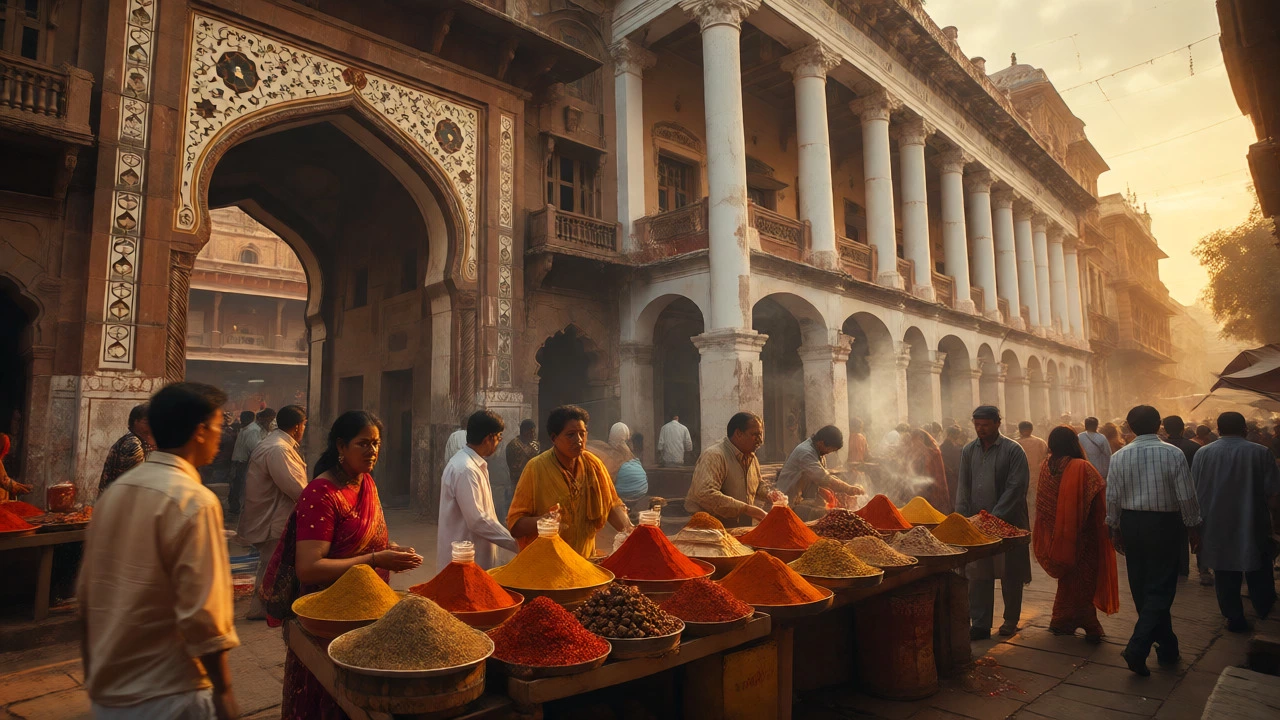
Have you ever wondered why India feels like a continent disguised as a country? It’s not just the food or the colors. It’s the sheer density of human history packed into every square mile. You step out of a metro station in Delhi and are instantly hit by the smell of incense, the sound of temple bells, and the sight of Mughal architecture next to British colonial buildings. This isn’t an accident. It’s the result of thousands of years of migration, trade, conquest, and spiritual evolution.
To understand why India is so culturally rich, you have to look at its geography first. The Himalayas acted as a massive wall, protecting the subcontinent from some invasions but also creating a distinct ecosystem. Meanwhile, the open sea routes to the south allowed traders from Rome, Arabia, and Southeast Asia to dock and mix with local populations. This geographic setup created a melting pot where nothing stayed pure for long. Everything got blended. That blending is the secret sauce of Indian culture.
The Layered History of Invasion and Integration
Most countries have a linear history. India has a palimpsest-a manuscript written over again and again, with old texts still visible underneath. The Indus Valley Civilization, dating back to 2500 BCE, laid the urban groundwork. Then came the Vedic period, which introduced Sanskrit and the early foundations of Hinduism. But here is where it gets interesting: India didn’t just keep these traditions isolated. They were challenged, tested, and merged with new ideas.
When Alexander the Great arrived in 326 BCE, he didn’t stay, but his influence lingered in art and philosophy. Centuries later, the Mughal Empire brought Persian culture, Islamic architecture, and culinary techniques that fundamentally changed North India. Did they erase what came before? No. They added to it. The Taj Mahal isn’t just an Islamic tomb; it’s a fusion of Persian, Turkish, and Indian architectural styles. This layering means that when you visit a city like Hyderabad, you’re seeing four different cultural eras coexisting in real-time.
This historical accumulation creates a unique social fabric. In many Western nations, national identity was forged by standardizing language and religion. In India, identity was forged by accommodating difference. The concept of "unity in diversity" wasn’t just a political slogan invented by Jawaharlal Nehru; it was a survival strategy developed over millennia. If you try to force one way of life on this land, it breaks. If you allow many, it thrives.
Linguistic Diversity as a Cultural Engine
You might think English is the bridge, but India has 22 officially recognized languages and hundreds of dialects. This isn’t just about communication; it’s about worldview. Each language carries its own literature, poetry, and idioms that don’t translate directly. For instance, the Tamil language has a continuous literary tradition spanning over two thousand years, independent of Sanskrit influences. This linguistic plurality ensures that culture doesn’t homogenize.
Consider the film industry. Bollywood (Hindi cinema) gets global attention, but South Indian industries like Tollywood (Telugu) and Kollywood (Tamil) produce films that dominate regional markets and increasingly gain international fans. These aren’t copies of Hollywood. They have distinct narrative structures, musical styles, and aesthetic values rooted in their specific cultural contexts. When a Telugu film hits box office records, it’s validating a specific cultural expression that resonates with millions who might feel ignored by mainstream Hindi media.
Language also dictates festivals. While Diwali is celebrated nationwide, the stories told during Diwali change based on region and language. In the north, it’s about Lord Rama’s return. In the south, it’s often linked to Krishna defeating Narakasura. The same date, different narratives, same joy. This flexibility allows people to connect with traditions personally rather than dogmatically.
Spiritual Pluralism and Everyday Rituals
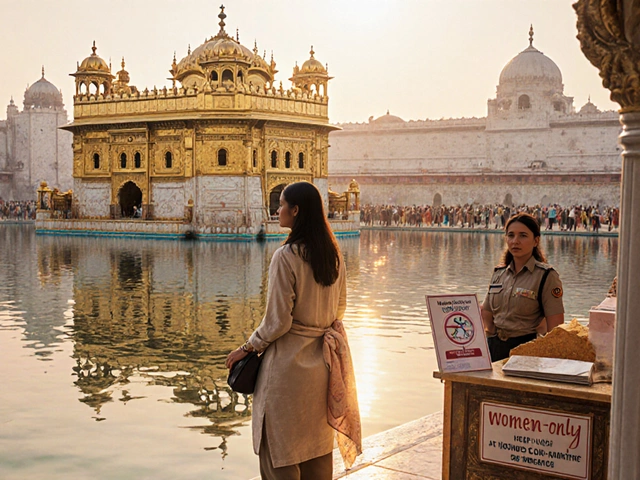
India is the birthplace of four major world religions: Hinduism, Buddhism, Jainism, and Sikhism. But it’s also home to massive communities of Muslims, Christians, Parsis, and Jews. What makes this remarkable isn’t just tolerance, but interaction. Sufi shrines attract Hindu devotees. Christian churches in Kerala follow ancient Syrian rites. Jewish synagogues in Cochin have stood for centuries alongside mosques and temples.
Rituals in India are rarely private affairs. They are public spectacles. Think about the Kumbh Mela, the largest religious gathering in the world. Millions of people converge on river banks, not because they all believe the exact same theology, but because the ritual itself is a shared cultural experience. The bathing ghats become stages for performance, community bonding, and economic exchange. Spirituality here is embodied, physical, and communal.
| Festival | Primary Region | Cultural Function |
|---|---|---|
| Holi | North & Central India | Dissolves social hierarchies temporarily through color play |
| Pongal | Tamil Nadu | Celebrates harvest and gratitude to nature/livestock |
| Eid al-Fitr | Nationwide (Muslim majority areas) | Reinforces community bonds after Ramadan fasting |
| Onam | Kerala | Mythological celebration of King Mahabali’s return |
Culinary Identity: Food as Memory
You can’t talk about Indian culture without talking about food. But it’s not just about curry. It’s about the science of spices and the sociology of eating. Spices weren’t just flavor enhancers; they were preservatives, medicines, and trade goods that put India on the global map. The use of turmeric, cumin, coriander, and cardamom varies drastically from state to state. A fish curry in Goa tastes nothing like a fish curry in Bengal, even though both are coastal regions.
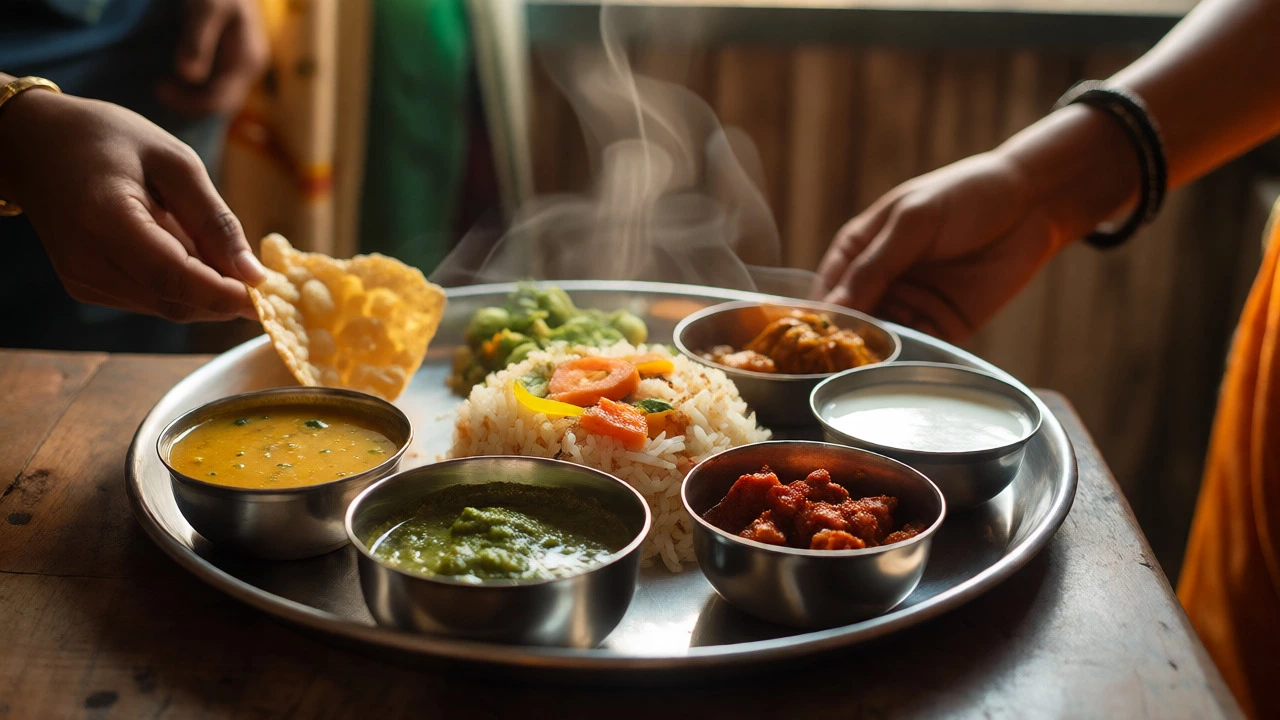
Food habits also reflect caste, class, and religion. Vegetarianism is widespread due to Hindu and Jain influences, but non-vegetarian dishes dominate in coastal and northeastern states. The thali, a platter with multiple small dishes, represents balance-sweet, sour, salty, bitter, pungent, and astringent. Eating a thali is a lesson in harmony. It teaches you that life isn’t about one dominant flavor, but a combination of contrasting ones.
Street food tells another story. Chaat, vada pav, and momos show how local ingredients adapt to foreign influences. Momos, originally from Tibet, became a staple in Delhi and Northeast India. They were adapted with spicier chutneys and fried variations to suit local palates. This culinary adaptability mirrors the broader cultural capacity to absorb and transform external inputs.
The Arts: From Classical Dance to Modern Cinema
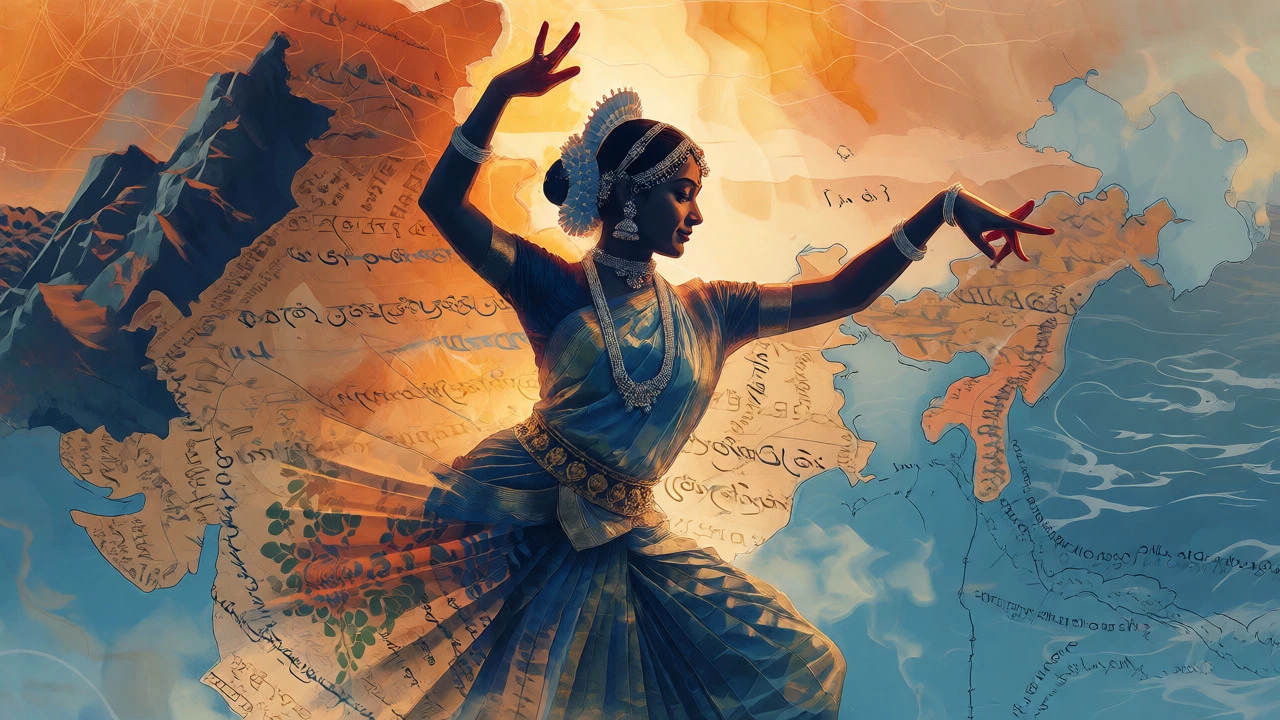
Classical arts in India are deeply tied to spirituality and storytelling. Bharatanatyam, Kathak, and Odissi aren’t just dances; they are visual narrations of mythological epics. The mudras (hand gestures) convey complex emotions and words without speech. This form of expression requires rigorous training, often starting in childhood, preserving oral traditions in bodily movement.
Music follows similar lines. Hindustani classical music from the north and Carnatic music from the south evolved separately but share roots in Vedic chants. Both systems rely on improvisation within strict frameworks (ragas and talas). This balance between structure and freedom is a metaphor for Indian society itself-orderly chaos.
In modern times, cinema has become the primary vehicle for cultural transmission. Films tackle social issues like gender roles, caste discrimination, and rural poverty while entertaining mass audiences. Directors like Satyajit Ray and contemporary filmmakers like Zoya Akhtar use cinema to critique and celebrate Indian identity simultaneously. This artistic output keeps culture dynamic, preventing it from becoming a museum piece.
Why Does This Matter Today?
In a globalized world, many cultures are flattening. Fast fashion, streaming services, and digital communication tend to create uniformity. India resists this because its cultural infrastructure is too deep-rooted and decentralized. There is no single gatekeeper of Indian culture. It lives in the village square, the family kitchen, the local theater, and the smartphone screen.
For travelers, this means every trip is a discovery. You don’t just see monuments; you witness living traditions. For Indians, it provides a sense of belonging despite rapid modernization. You can work in a tech park in Bangalore speaking English, then go home and cook a traditional meal using recipes passed down for generations. This duality isn’t a conflict; it’s a feature.
So, why is India so cultural? Because it never stopped adding. It absorbed invaders, merchants, refugees, and innovators, weaving them into its fabric. It respected differences enough to let them flourish side-by-side. And it turned everyday acts-eating, praying, dancing, speaking-into profound expressions of identity. That depth doesn’t fade easily.
Is Indian culture monolithic?
No, Indian culture is highly diverse and pluralistic. It varies significantly by region, language, religion, and caste. What is considered traditional in Punjab may be very different from traditions in Kerala or Assam. There is no single "Indian culture," but rather a collection of many overlapping cultural identities.
How has colonization affected Indian culture?
British colonization introduced English language, legal systems, and educational models, which continue to influence modern India. However, it also sparked a revival of indigenous arts and nationalism. Many aspects of Indian culture today are hybrid forms that blend pre-colonial traditions with colonial adaptations.
Why is food such a big part of Indian culture?
Food in India is tied to religion, health, and social status. Ingredients and cooking methods are often prescribed by Ayurvedic principles. Sharing meals is a key social bonding activity, and dietary restrictions (like vegetarianism) are markers of community identity. Thus, food is not just sustenance but a carrier of cultural values.
Do all Indians speak Hindi?
No. While Hindi is widely spoken in North India, it is not the mother tongue for most Indians. South India primarily speaks Dravidian languages like Tamil, Telugu, Kannada, and Malayalam. English serves as a link language in business and government, but regional languages remain the primary medium of daily life for most citizens.
What role do festivals play in Indian society?
Festivals reinforce community ties, mark agricultural cycles, and preserve mythological narratives. They provide regular opportunities for social gathering, gift-giving, and collective worship. Regardless of individual belief levels, participation in festivals helps maintain cultural continuity and social cohesion across generations.