North India Travel Planner
Your Preferences
Select your preferences and click "Get My Recommendation" to find the perfect time to visit.
Imagine standing in the middle of Delhi in late May. The temperature isn't just hot; it’s suffocating, hovering around 45°C (113°F). Now picture yourself in Leh-Ladakh in January, where the roads are blocked by snow and temperatures drop to -20°C (-4°F). Both are technically "open," but neither is enjoyable. This extreme contrast is exactly why timing matters more than almost any other factor when planning a trip to North India. Unlike many destinations that have a mild shoulder season, North India operates on distinct climatic zones that dictate not just comfort, but accessibility.
You don’t need a crystal ball to figure out when to go, but you do need to know what you want to see. Are you chasing the golden light of the Taj Mahal, the crisp air of a Himalayan trek, or the lush greenery of post-monsoon Kerala-adjacent hills? The "best" time depends entirely on your itinerary. Here is the breakdown of how the seasons shape your experience across the region.
The Golden Window: Winter (October to March)
If there is one consensus among travelers, it is this: winter is the undisputed king of North Indian tourism. From October through March, the weather across the plains-covering states like Rajasthan, Uttar Pradesh, and Haryana-is pleasant, dry, and perfect for sightseeing. Daytime temperatures range from 15°C to 25°C (59°F to 77°F), while nights can get chilly, dropping to single digits in places like Jaipur and Agra.
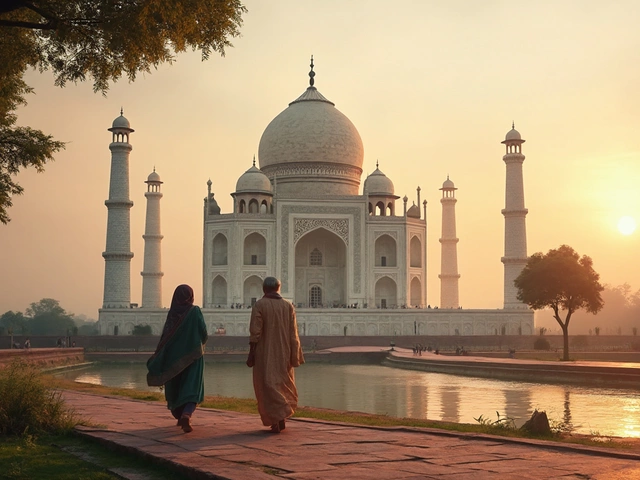
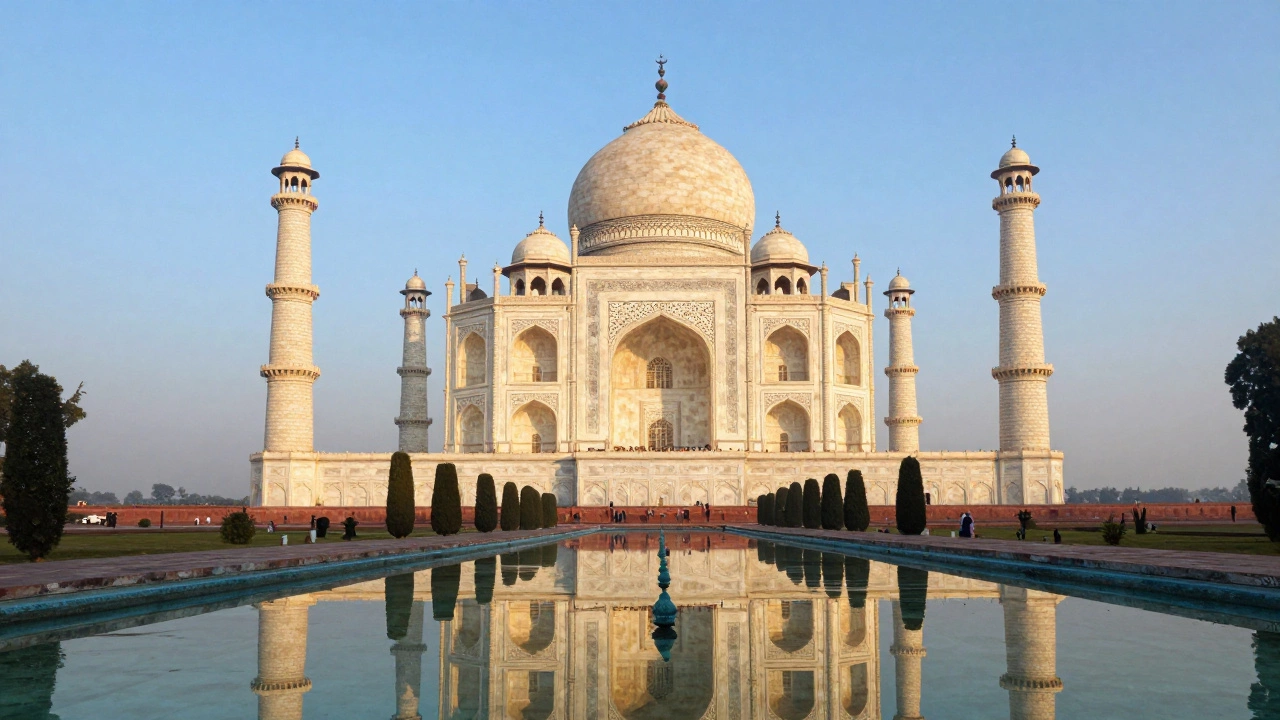
This is the prime time for the classic heritage circuit. You can spend hours walking around the Amber Fort in Jaipur without melting, and you’ll catch the most photogenic sunsets over the desert at Jaisalmer. The visibility is clear, meaning those iconic shots of the Taj Mahal won’t be obscured by smog or haze, which often plagues the region in later months. However, because everyone knows this is the best time, it is also the most crowded and expensive. Hotels in major hubs like Delhi and Varanasi book up months in advance, and prices can be 30-50% higher than in the off-season.
- Best For: Heritage tours, wildlife safaris in Ranthambore and Corbett, and cultural festivals.
- Pitfall: High tourist density and premium pricing during peak holidays like Diwali and Christmas/New Year.
The Heat Wave: Summer (April to June)
Summer in the northern plains is brutal. April marks the beginning of the heat, but by May and June, it becomes unbearable for most tourists. In cities like Delhi, Lucknow, and Jaipur, daytime temperatures regularly exceed 40°C (104°F). Walking outside for more than ten minutes feels like a punishment. Most locals stay indoors with air conditioning, and outdoor activities are largely suspended.
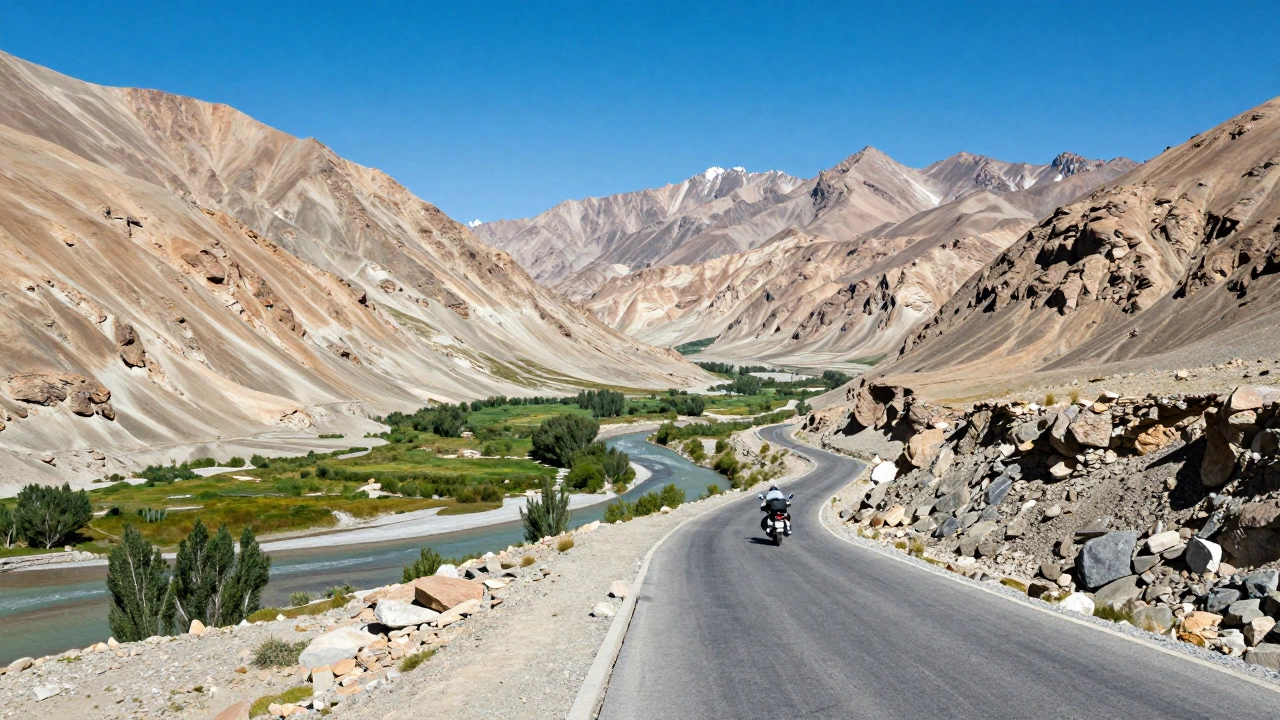
So, does that mean you should avoid North India entirely in summer? Not necessarily. While the plains are ovens, the mountains are calling. This is actually the ideal time to visit the high-altitude regions. Places like Ladakh, Himachal Pradesh, and Uttarakhand come alive in summer. The snow melts, opening up the famous Manali-Leh highway, and the weather in hill stations like Shimla, Manali, and Mussoorie is cool and refreshing, ranging between 20°C and 30°C (68°F to 86°F).
If you are set on visiting the plains during this time, limit your outdoor exploration to early mornings (before 9 AM) and late evenings (after 6 PM). Spend your midday hours in museums, indoor markets, or simply resting. Also, keep in mind that some historical sites may close temporarily due to extreme heat warnings issued by local authorities.
- Best For: Trekking in the Himalayas, visiting Ladakh, and exploring hill stations.
- Avoid: Extensive outdoor sightseeing in Rajasthan, Delhi, and Uttar Pradesh.
The Monsoon Mix: July to September
The monsoon arrives in North India around late June or early July, bringing heavy rainfall that lasts until September. For many, rain equals trouble, and in parts of North India, they aren’t wrong. The humidity spikes, making the residual heat feel sticky and oppressive. More importantly, travel logistics can become a nightmare. Landslides frequently block highways in Himachal Pradesh and Uttarakhand, leading to stranded tourists and delayed flights. In the plains, waterlogging in cities like Delhi and Mumbai (though Mumbai is west, the pattern affects connectivity) can disrupt ground transport.
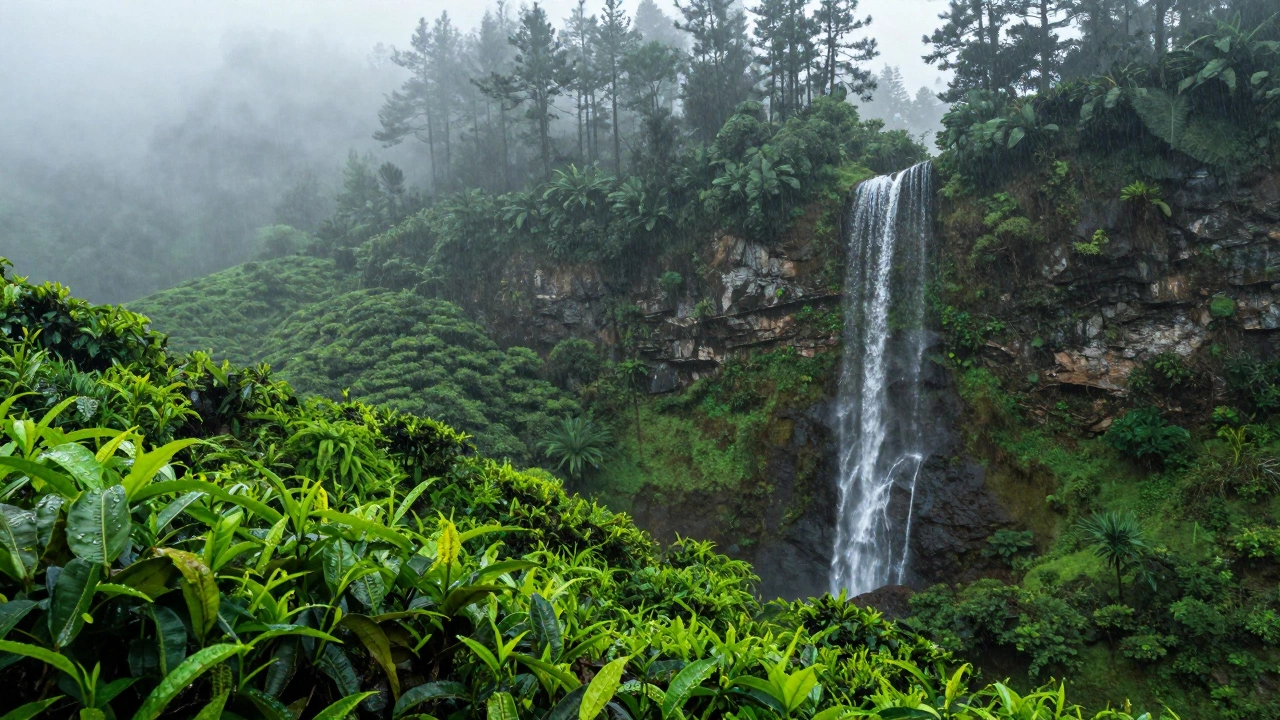
However, the monsoon has its own romantic appeal if you know where to look. The landscapes turn a vibrant, deep green. Waterfalls in places like Nainital and Mussoorie swell to their full glory. If you enjoy photography, the dramatic clouds and misty mountains offer unique opportunities. Additionally, this is the low season for tourism, so you can find significant discounts on luxury hotels and private guides who are otherwise fully booked.
Just be prepared for delays. Flights to smaller airports like Kullu-Manali or Dehradun are often cancelled due to poor visibility. Always build buffer days into your itinerary if you travel during these months.
- Best For: Photography enthusiasts, budget travelers seeking deals, and those who love lush green scenery.
- Risk: Travel disruptions, landslides, and high humidity.
Festival Timing: When Culture Comes Alive
In India, festivals are not just dates on a calendar; they are massive cultural events that transform entire cities. If your goal is immersive cultural experience, aligning your trip with a major festival can be rewarding, though it comes with logistical challenges.
Kumbh Mela: Held every 12 years at rotating locations (Prayagraj, Haridwar, Ujjain, Nashik), this is the largest peaceful gathering of humanity on Earth. Millions take a holy dip in the rivers. It’s a spiritual spectacle but requires serious planning due to crowd control measures.
Diwali (Oct/Nov): The Festival of Lights transforms North India into a sea of fireworks and oil lamps. Cities like Varanasi and Jodhpur look magical. However, air travel can be chaotic as millions return home, and pollution levels skyrocket due to firecrackers.
Holi (March): The Festival of Colors is a wild, joyous affair. Mathura and Vrindavan celebrate it with particular fervor. Be aware that this involves colored powders and water fights-it’s messy, fun, but not suitable for formal sightseeing itineraries.
| Season | Months | Avg. Temp (Plains) | Best Regions | Key Considerations |
|---|---|---|---|---|
| Winter | Oct - Mar | 10°C - 25°C | Rajasthan, UP, Delhi | Peak crowds, high prices |
| Summer | Apr - Jun | 35°C - 45°C+ | Ladakh, Himachal, Uttarakhand | Extreme heat in plains |
| Monsoon | Jul - Sep | 25°C - 35°C (Humid) | Hill Stations, Kashmir | Travel delays, landslides |
Regional Nuances: One Size Does Not Fit All
It is crucial to remember that "North India" is not a monolith. The climate in Kashmir differs vastly from that of Rajasthan. Let’s break down specific regional timings.
Kashmir: Known as "Paradise on Earth," Kashmir is best visited from April to October. Spring brings cherry blossoms, summer offers lush meadows, and autumn paints the valleys in gold. Winters (Dec-Feb) are great for skiing in Gulmarg but cold and snowy elsewhere.
Ladakh: This high-altitude desert is inaccessible via road from November to April due to heavy snow blocking the passes. The only window for road travel is May to October. Even then, nights remain freezing. If you want to fly in, you can year-round, but the landscape is stark and barren in winter.
Rajasthan: Avoid May and June at all costs. The desert heat is intense. October to February is the sweet spot. March and April are acceptable if you prefer fewer crowds, but expect rising temperatures.
Himachal & Uttarakhand: These mountain states are versatile. Summers (Apr-Jun) are ideal for trekking and general tourism. Monsoons bring landslides. Winters are beautiful for snow lovers but restrict access to higher altitudes like Rohtang Pass or Auli.
Practical Tips for Smart Timing
To make the most of your trip regardless of the season, consider these strategies:
- Book Early for Peak Season: If you plan to visit between November and February, book accommodations and domestic flights at least 2-3 months in advance. Prices surge closer to the date.
- Layer Up in Winter: North Indian winters can be deceptive. Days are sunny and warm, but nights and early mornings are biting cold, especially in the mountains and desert areas. Carry woolens.
- Hydrate Relentlessly in Summer: If you must travel in summer, carry electrolyte packets and drink plenty of water. Avoid street food that may have been sitting out in the heat.
- Check Road Conditions: During monsoon, check local news for landslide updates before heading to hill stations. Have a backup plan in case roads are blocked.
- Respect Festival Crowds: If traveling during Diwali or Holi, expect traffic jams and limited availability. Embrace the chaos or avoid major cities during these peaks.
Ultimately, the best time to visit North India is when the weather aligns with your interests. If you crave history and culture, aim for the crisp winter months. If you seek adventure and cool breezes, head to the mountains in summer. And if you’re on a budget and don’t mind a little rain, the monsoon season offers a quieter, greener side of the country. Plan wisely, pack appropriately, and you’ll find that North India rewards those who respect its rhythms.
Is December a good time to visit North India?
Yes, December is an excellent time to visit the plains of North India, including Rajasthan, Delhi, and Agra. The weather is cool and pleasant, ideal for sightseeing. However, it is peak tourist season, so expect higher prices and larger crowds. In mountainous regions like Himachal Pradesh, December can be very cold with potential snowfall, which may block some high-altitude roads.
Can I visit Ladakh in winter?
You can visit Ladakh in winter, but access is limited. The road routes from Manali and Srinagar are closed due to heavy snow. You would need to fly into Leh Airport. While flying is possible, temperatures drop significantly, and many hotels and guesthouses may be closed. It is best suited for experienced travelers seeking solitude and extreme cold conditions.
What is the best month to visit Rajasthan?
The best months to visit Rajasthan are from October to March. During this period, the heat subsides, and the weather is comfortable for exploring forts, palaces, and deserts. November and February are particularly popular. Avoid May and June when temperatures can exceed 45°C (113°F), making outdoor activities dangerous.
Is it safe to travel during the monsoon in North India?
Travel during the monsoon (July-September) carries risks, primarily related to transportation. Landslides can block highways in hilly areas like Himachal Pradesh and Uttarakhand, and waterlogging can affect cities. If you choose to travel then, stay flexible, monitor weather forecasts, and avoid remote trekking routes. Plains areas are safer but humid.
When is the best time for wildlife safaris in North India?
The best time for wildlife safaris in national parks like Ranthambore (Rajasthan) and Corbett (Uttarakhand) is from October to June. Animals gather around water sources as vegetation dries up, making them easier to spot. However, summer months (April-June) can be very hot, so October to February offers a more comfortable viewing experience with slightly lower animal visibility compared to late spring.