India Travel Health Risk Calculator
Check Your Habits
Select all the precautions you plan to take during your trip.
Your Safety Score
Select habits above to see your risk level.
You’ve booked the cheap flights. You’ve found the guesthouse with the hammock. Now you’re staring at a map of India, a vast South Asian country known for its diverse culture, history, and cuisine, wondering if your trip will be an adventure or a medical emergency. Let’s cut through the fear-mongering. Yes, the hygiene standards are different. Yes, your immune system is not used to the local microbes. But no, you do not need to live in a bubble to enjoy this incredible destination.
Getting sick in India usually boils down to three things: what you eat, what you drink, and how you handle minor injuries. The good news? These are entirely within your control. If you treat your stomach like a fortress and your skin like a shield, you can explore everything from the chaotic streets of Delhi to the serene backwaters of Kerala without spending half your vacation on the toilet.
The Golden Rule: Boil It, Cook It, Peel It, or Forget It
Your digestive system is the first line of defense. In India, the biggest culprit for illness is traveler’s diarrhea, a common gastrointestinal condition affecting travelers caused by bacteria, viruses, or parasites. It’s often caused by E. coli, Salmonella, or Shigella-bacteria that are harmless to locals who have built up immunity over years but devastating to visitors.
To stay safe, follow this simple mantra: Boil it, cook it, peel it, or forget it.
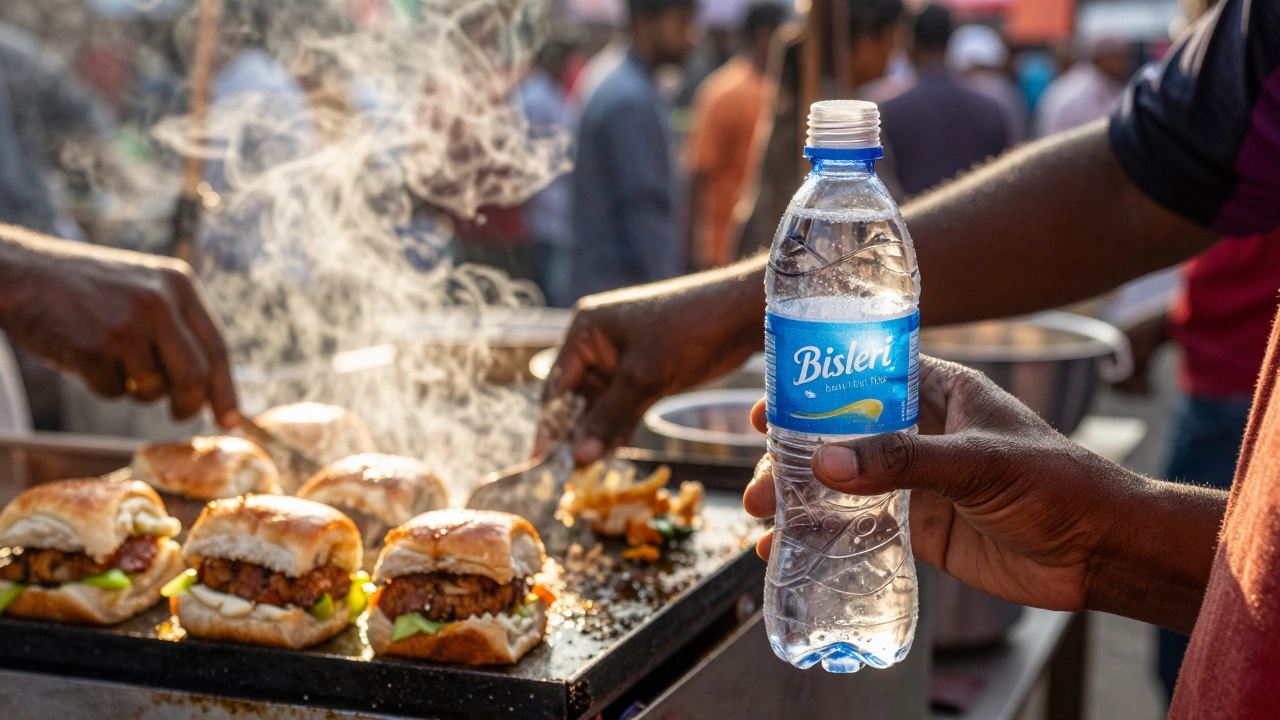
- Boil it: Never drink tap water. Not even for brushing your teeth if you have open cuts or sensitive gums. Buy sealed bottled water from reputable brands like Bisleri or Kinley. Check that the seal is intact before paying.
- Cook it: Eat only food that is piping hot. Street food is delicious, but only if it’s been freshly cooked in front of you. Avoid pre-cooked salads, cut fruits, or meats sitting out at room temperature.
- Peel it: Fruits like bananas, oranges, and mangoes (if you peel them yourself) are safe. Avoid fruits served in juice bars unless you see them being peeled right there.
- Forget it: Skip ice cubes unless you’re sure they were made from filtered water. Avoid raw vegetables unless you wash them yourself with purified water.
A pro tip: Carry a portable water filter straw or UV purification pen. They’re small, cheap, and give you peace of mind when you’re off the beaten path. Also, avoid adding extra ice to your drinks. Even if the restaurant looks clean, their ice might be made from tap water.
Navigating the Food Scene Without Risk
Indian food is a highlight of any trip, but it’s also where many travelers slip up. The key is to choose wisely. Look for places with high turnover-where customers are constantly coming and going. This means the food is fresh and hasn’t been sitting out.
When eating street food, observe the vendor. Are they using gloves or tongs? Is the cooking area clean? Do they handle money and food separately? If the answer is yes, you’re likely safe. Popular street foods like vada pav (Mumbai), chaat (Delhi), and dosas (Chennai) are generally safe if cooked hot and served immediately.
Avoid these risky items:
- Salads with unknown ingredients
- Fruit juices sold in open containers
- Dairy products like milk, yogurt, or ice cream from unrefrigerated sources
- Raw seafood or undercooked meat
If you’re unsure, stick to vegetarian options. Plant-based meals are less likely to carry harmful bacteria compared to meat or dairy. And always carry hand sanitizer. Wash your hands thoroughly before eating, especially after touching public surfaces or handling money.
Water Safety Beyond Drinking
It’s not just about what goes into your mouth. Water exposure can lead to other issues. For example, swimming in untreated rivers or lakes can expose you to leptospirosis or schistosomiasis. Stick to chlorinated pools or well-maintained beaches.
If you’re showering, try to keep your mouth closed. While swallowing a little shower water won’t kill you, it’s better to be cautious. Use bottled water for brushing your teeth if you’re particularly sensitive.
Also, be mindful of humidity. High humidity can make you sweat more, leading to dehydration. Drink plenty of fluids throughout the day, even if you don’t feel thirsty. Coconut water is a great natural electrolyte source and widely available across India.

Vaccinations and Medications: Prepare Before You Go
Prevention starts before you leave home. Consult your doctor at least six weeks before your trip. Essential vaccinations include Hepatitis A, Typhoid, and Tetanus. Depending on your itinerary, you may also need Japanese Encephalitis or Rabies shots.
Bring a basic medical kit:
- Oral rehydration salts (ORS)
- Antidiarrheal medication (like loperamide)
- Antibiotics prescribed for traveler’s diarrhea (ask your doctor)
- Insect repellent containing DEET
- Sunscreen
- Band-aids and antiseptic cream
Note: Don’t rely solely on antidiarrheals. They stop symptoms but don’t cure the infection. ORS is crucial for preventing dehydration, which can become serious quickly in hot climates.
Mosquito-Borne Diseases: More Than Just Annoying Bites
Mosquitoes in India carry diseases like Dengue, Malaria, and Chikungunya. These aren’t just nuisances-they can be severe. Protect yourself by wearing long sleeves and pants during dusk and dawn, when mosquitoes are most active.
Use insect repellent with at least 30% DEET. Stay in accommodations with air conditioning or mosquito nets. If you develop fever, headache, or joint pain after returning home, seek medical attention immediately and mention your travel history.
Some regions, like parts of Odisha and West Bengal, have higher malaria risk. Check current CDC or WHO travel advisories for specific areas you plan to visit.

Hygiene Habits That Make a Difference
Small habits go a long way. Always carry hand sanitizer and use it frequently. Public restrooms in India may not always be clean, so sanitize your hands afterward. Avoid touching your face until you’ve washed your hands.
If you get a cut or scrape, clean it immediately with antiseptic. Infections can spread quickly in humid environments. Keep wounds covered and dry.
Also, be cautious with public transportation. Seats and handles can harbor germs. Wipe them down with disinfectant wipes if possible.
What to Do If You Get Sick Anyway
Despite your best efforts, you might still get sick. Here’s how to handle it:
- Rest: Your body needs energy to fight off infections. Take it easy for a day or two.
- Rehydrate: Drink ORS solutions or coconut water. Avoid sugary drinks or alcohol.
- Medicate: Use antibiotics only if prescribed. Overuse contributes to resistance.
- Seek Help: If symptoms persist beyond 48 hours, consult a local clinic. Many cities have English-speaking doctors.
Don’t panic. Most cases of traveler’s diarrhea resolve within a few days. The goal is to manage symptoms and prevent complications.
| Item | Purpose | Notes |
|---|---|---|
| Bottled Water | Safe hydration | Check seals; avoid refills |
| Hand Sanitizer | Cleanse hands | At least 60% alcohol |
| ORS Packets | Rehydrate | Crucial for diarrhea |
| DEET Repellent | Mosquito protection | 30-50% concentration |
| Antibiotics | Treat infections | Prescription only |
Final Thoughts: Confidence Over Caution
Traveling in India doesn’t mean living in fear. It means making smart choices. By focusing on food safety, water hygiene, and preventive measures, you minimize risks significantly. Remember, millions of tourists visit India every year without major health issues. With preparation and awareness, you’ll join them.
Embrace the chaos, savor the spices, and trust your instincts. Your journey should be memorable for the right reasons-not because you spent days recovering from avoidable illnesses.
Is tap water safe to drink in India?
No, tap water in India is not safe to drink. Always use bottled, boiled, or filtered water. Even brushing teeth with tap water can pose risks if you have open cuts or sensitive digestion.
Can I eat street food safely in India?
Yes, but choose vendors with high customer turnover and observe hygiene practices. Eat only freshly cooked, hot items. Avoid pre-cut fruits, salads, and ice-containing drinks.
What vaccinations are recommended for India?
Recommended vaccines include Hepatitis A, Typhoid, and Tetanus. Depending on your route, consider Japanese Encephalitis, Rabies, and Malaria prophylaxis. Consult your doctor six weeks before departure.
How do I prevent mosquito-borne diseases?
Use DEET-based repellent, wear long clothing during dusk/dawn, sleep under mosquito nets, and stay in air-conditioned rooms. Seek medical help if fever or joint pain develops post-trip.
What should I do if I get traveler’s diarrhea?
Rest, hydrate with ORS or coconut water, and take prescribed antibiotics if necessary. Avoid anti-diarrheals alone as they mask symptoms. Seek medical care if symptoms last over 48 hours.
Are public toilets safe to use in India?
Public toilets vary in cleanliness. Use hand sanitizer after washing hands, avoid touching surfaces unnecessarily, and prefer squat toilets over seated ones for better hygiene.
Can I swim in Indian rivers and lakes?
Swimming in untreated natural waters carries risks of waterborne diseases like leptospirosis. Stick to chlorinated pools or designated swimming areas for safety.