Pink Beach Destination Finder
What are you looking for?
Ready to find your paradise?
Select your preferences on the left to see which pink sand destination matches your dream vacation.
Your Perfect Match!
Based on your preferences, we recommend:
Before we jump into the map, keep in mind that the 'pinkness' of a beach changes based on the tide, the lighting, and the time of year. You might find a shore that looks pale peach at noon but turns a vivid rose during a sunset. To make the most of your trip, you will want to target these specific regions where the biology and geology align perfectly.
The Gold Standard: Harbour Island in the Bahamas
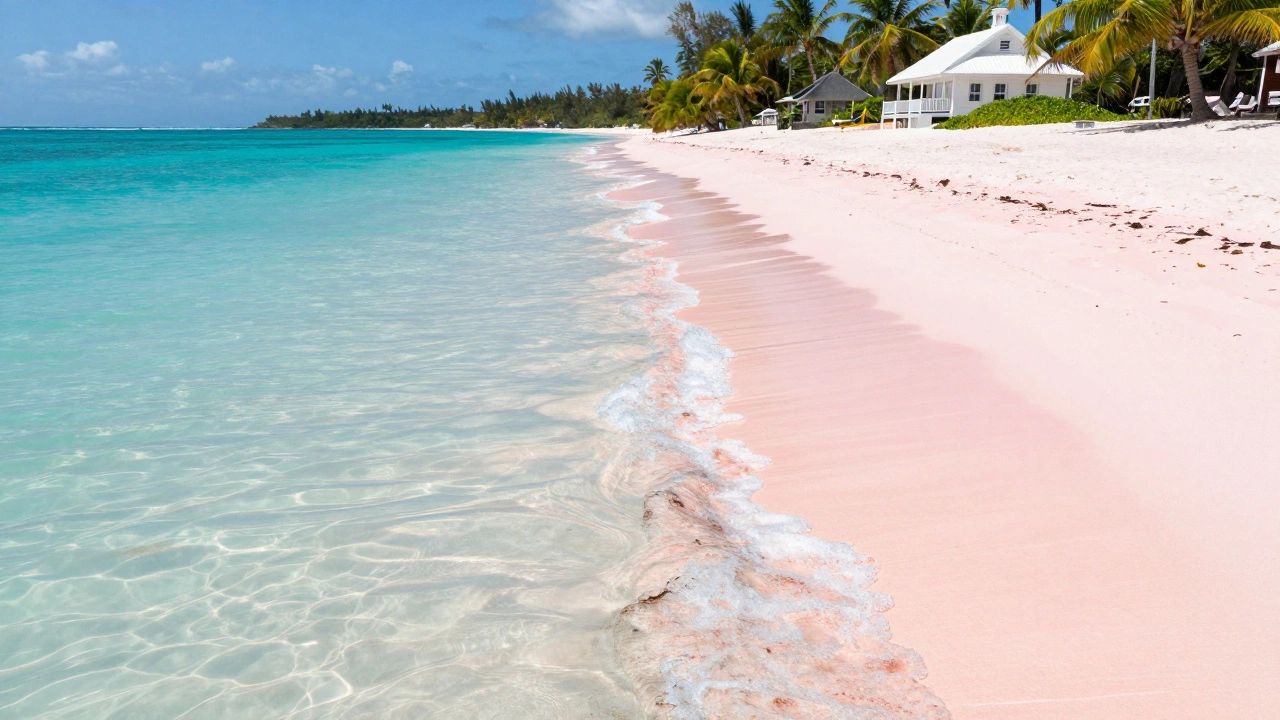
When people talk about the quintessential pink beach, they are usually talking about Harbour Island is a small, upscale island in the Bahamas known for its incredibly vivid pink shoreline and luxury resorts. Also known as the Pink Sands Beach, it is consistently ranked as one of the most beautiful places on Earth. The sand here is so saturated with crushed coral and shells that the color is unmistakable even from a distance.
What makes this spot special isn't just the color, but the vibe. Because it is a smaller island, you avoid the massive cruise ship crowds you find in Nassau. Instead, you get a quiet, colonial-style atmosphere. If you visit during the low tide, the water recedes to reveal wide stretches of shimmering pink that meet a crystal-clear Atlantic Ocean. A pro tip for visitors: rent a golf cart. It is the primary mode of transport on the island, and it is the only way to reach the hidden coves where the pink hue is most intense.
Caribbean Gems: Beyond the Bahamas
The Caribbean is the heart of the pink sand phenomenon. Beyond the Bahamas, you should look toward Bermuda. While technically in the North Atlantic, it shares the same tropical allure. Bermuda's beaches, like Horseshoe Bay, get their color from the same microscopic organisms found in the Bahamas. However, the sand here is often a bit more granular and a deeper shade of rose.
If you prefer something less crowded, head to Exuma. This chain of islands offers a more rugged experience. You can find small, uninhabited cayes where the pink sand is untouched by footprints. The contrast between the neon-blue water and the soft pink shore is staggering. Just be aware that Exuma is remote; you will likely need to charter a boat or use a local water taxi to find the best spots.
Asian Paradises: The Rare Pink Shores of the East
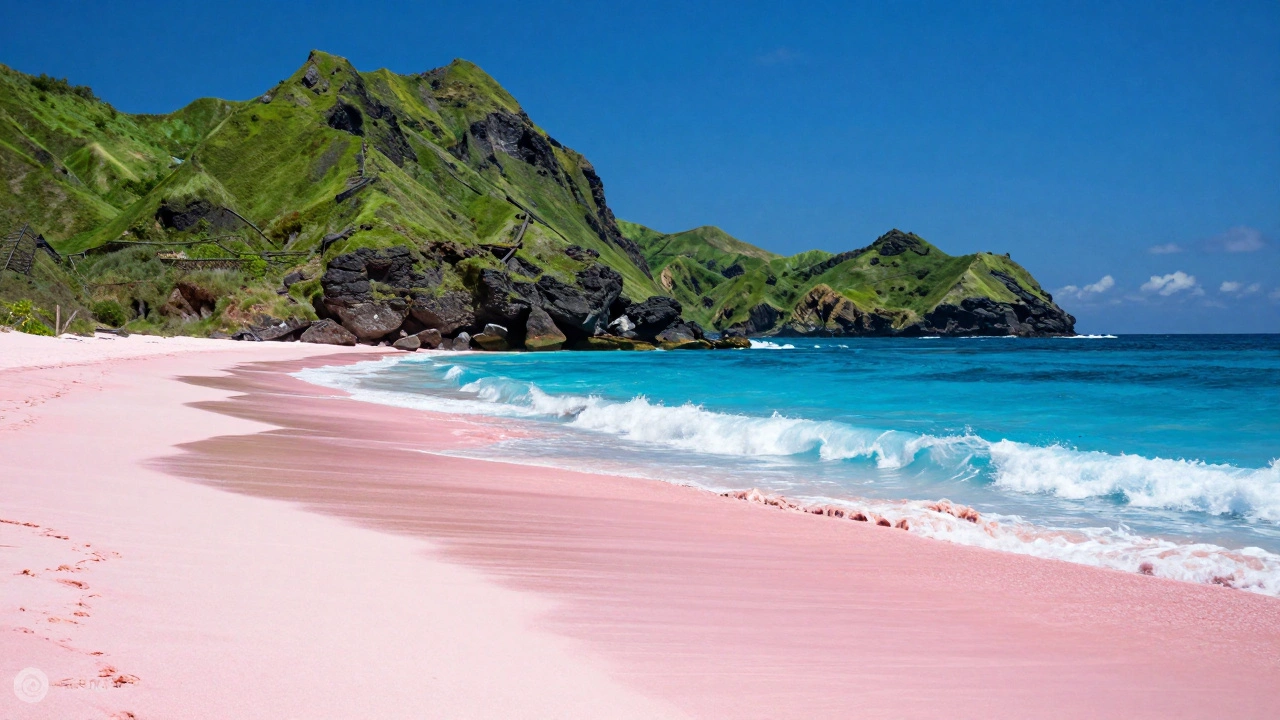
You don't have to stay in the Atlantic to find these colors. In Asia, the options are rarer but equally stunning. Indonesia is home to a few hidden gems, particularly around the Komodo National Park. While primarily known for dragons, some of the beaches here, like the famous Pink Beach, are world-renowned. Here, the pink comes from red coral fragments that get washed up and crushed by the waves, mixing with white sand.
Unlike the Caribbean beaches, which are often wide and flat, Indonesian pink beaches are usually backed by dramatic green hills and volcanic rock. This creates a high-contrast landscape that is a dream for photographers. Because the area is a protected national park, you can't just pitch a tent and stay for a week. Most visitors arrive via a liveaboard boat, spending a few hours swimming in the turquoise water before moving on to the next island. It is a more adventurous way to see the world, but the reward is a beach that feels like the edge of the earth.
| Destination | Primary Color Shade | Best Access Method | Crowd Level | Key Feature |
|---|---|---|---|---|
| Harbour Island, Bahamas | Pale Rose / Pastel | Flight + Boat | Medium | Luxury Resorts |
| Horseshoe Bay, Bermuda | Deep Pink / Coral | International Flight | High | Dramatic Cliffs |
| Pink Beach, Indonesia | Vivid Pink / Red | Liveaboard Boat | Low to Medium | Volcanic Backdrop |
| Exuma, Bahamas | Soft Peach | Charter Boat | Low | Unspoiled Nature |
Hidden Spots: The Less-Traveled Paths
If you are a true explorer, you might want to look into Australia. Specifically, the shores of Lucky Bay in Western Australia are often cited for their blindingly white sand, but in certain light and tide conditions, they take on a creamy, pinkish glow. While not as vividly pink as the Bahamas, the purity of the water and the presence of wild kangaroos on the beach make it a unique experience.
Then there is Spain. On the island of Formentera, you can find stretches of sand that lean toward the pink side, especially near the rocky outcrops. It is a Mediterranean take on the tropical trend. Formentera is a slow-paced island where the focus is on sustainability and nature, making it a great choice for those who want the color without the long-haul flight to the Caribbean.
Planning Your Trip: Pitfalls and Pro Tips
Finding a pink beach is one thing; actually seeing the color is another. A common mistake travelers make is arriving during a storm or high tide. Heavy rain can wash away the top layer of pink sediment or cloud the water, making the whole scene look grey. Always check the weather patterns for your destination. For the Bahamas, the window between December and April is usually your best bet for clear skies and vivid colors.
Another thing to consider is the environmental impact. Pink sand is fragile. It is made of organic matter that takes years to accumulate. Avoid using heavy chemicals or sunscreens that aren't reef-safe, as these can bleach the coral and the organisms that create the pink hue in the first place. Stick to mineral-based sunscreens to keep these ecosystems healthy.
The Science Behind the Glow
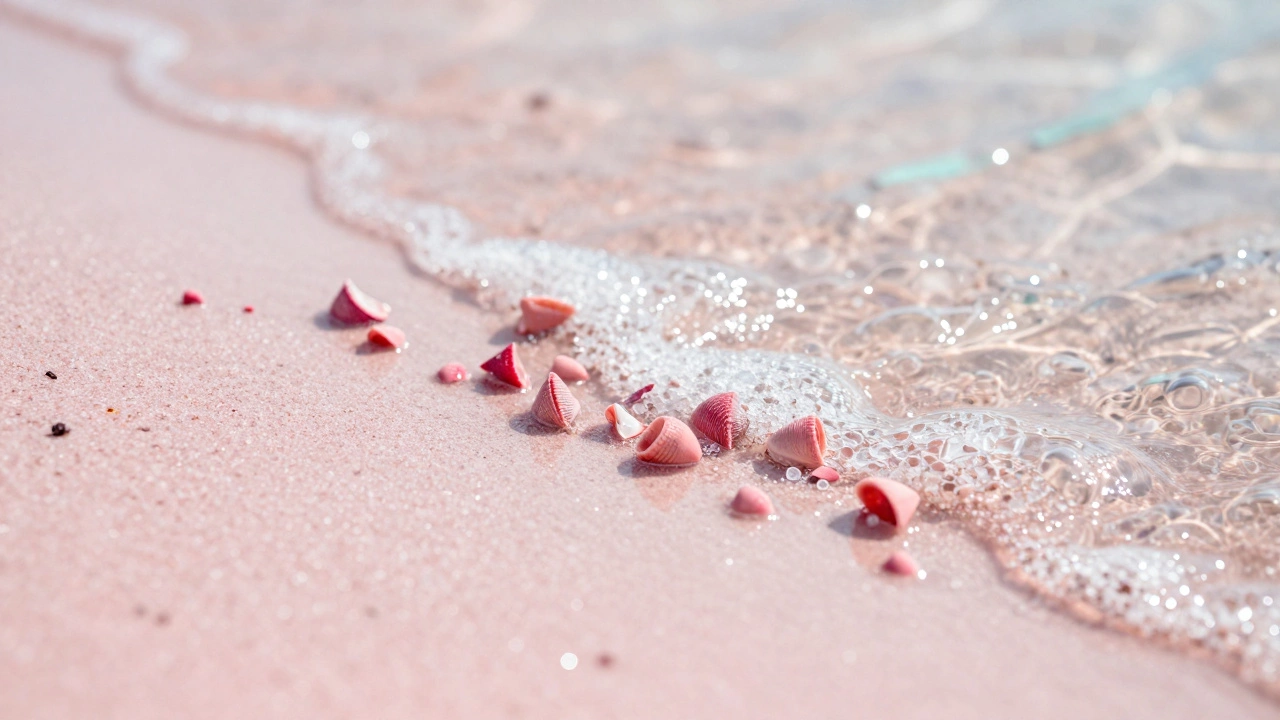
You might be wondering why some beaches are white, some are black, and some are pink. It all comes down to what is being crushed. Black sand comes from volcanic basalt. White sand is usually quartz or weathered coral. Pink sand is a hybrid. The Foraminifera, which are single-celled organisms with red shells, die and settle on the ocean floor. The currents push these tiny shells toward the shore, where they mix with the white calcium carbonate of the coral reefs.
This process is slow and depends heavily on the local current. This is why you won't find a pink beach every few miles. It requires a specific combination of a healthy reef, the right species of microorganisms, and a current that deposits them in a concentrated area. When you stand on a pink beach, you are essentially standing on a massive, ancient graveyard of microscopic sea creatures.
Are pink sand beaches real or edited in photos?
They are absolutely real. The color comes from crushed red shells of microscopic organisms called foraminifera. While some photographers might enhance the saturation, the natural pink hue is a well-documented geological phenomenon in places like the Bahamas and Indonesia.
Which is the most famous pink sand beach?
Pink Sands Beach on Harbour Island in the Bahamas is widely considered the most famous. It is prized for its consistent color, luxury atmosphere, and stunning contrast with the turquoise Atlantic waters.
Can I visit pink beaches in Asia?
Yes, Indonesia is your best bet. The Pink Beach in Komodo National Park is one of the most striking in the world, though it is typically accessed via boat tours rather than hotels.
Is it okay to take pink sand home as a souvenir?
No, it is generally illegal and environmentally damaging. Most pink sand beaches are located in protected areas or national parks. Removing sand disrupts the ecosystem and can lead to heavy fines.
When is the best time to visit for the brightest colors?
Generally, during the dry season of each region. For the Caribbean, aim for December to April. For Indonesia, May to October is ideal. Visiting during low tide often reveals the most concentrated patches of pink sand.
Next Steps for Your Journey
If you are ready to book, start by deciding on the 'type' of trip you want. For total luxury and relaxation, the Bahamas is the way to go. For an adventure involving hiking and boat trips, look into the Indonesian archipelago. If you are on a tighter budget, consider the Mediterranean options in Spain.
Regardless of where you go, remember to pack a high-quality waterproof camera and plenty of reef-safe sunscreen. If you find that the pink beaches are too far, look into other coastal wonders like the black sand beaches of Iceland or the volcanic shores of Hawaii. Each offers a different perspective on how the earth's chemistry creates the landscapes we love.