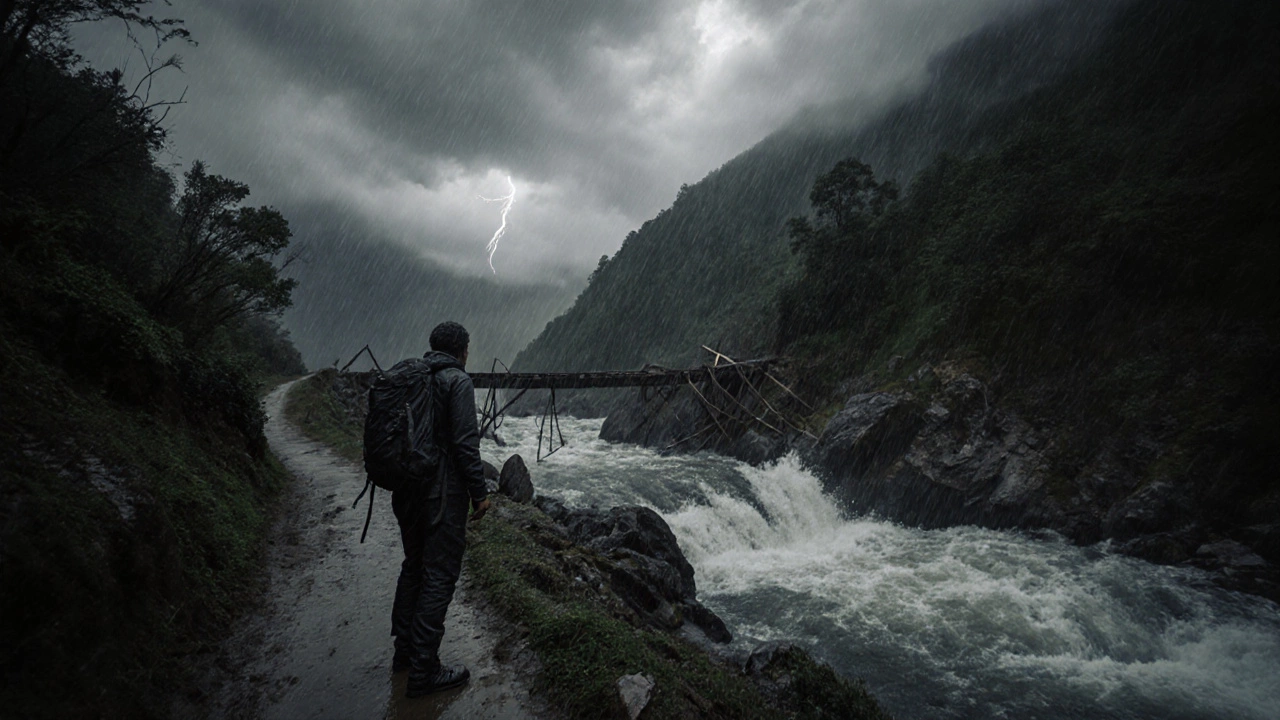
Avoid These Trekking Mistakes: Essential Tips for Safe and Smart Hikes in India
When you’re planning a trek in India, you’re not just walking a trail—you’re stepping into trekking, a form of long-distance hiking often in remote, mountainous areas that demands preparation, respect for nature, and awareness of local conditions. Also known as mountain walking, it’s one of the most rewarding ways to experience India’s Himalayas, Western Ghats, and lesser-known highland trails. But too many travelers skip the basics and end up exhausted, lost, or worse. Trekking isn’t just about fitness—it’s about smart decisions before you even tie your shoes.
One of the biggest mistakes? Underestimating altitude sickness, a condition caused by rapid ascent to high elevations that can lead to headaches, nausea, and even life-threatening swelling in the lungs or brain. Also known as acute mountain sickness, it’s not rare—it’s common among tourists who fly straight to Leh or Manali and hit the trail the next day. Another? Wearing brand-new boots on day one. Blisters don’t care how beautiful the view is. Then there’s the myth that India’s trails are safe just because they’re popular. They’re not. Landslides, sudden weather shifts, and poor signage catch people off guard. And don’t assume everyone speaks English. In remote villages, knowing a few Hindi or local phrases can mean the difference between getting help and being stranded.
You also need to respect local customs, the cultural norms and traditions of communities living near trekking routes, especially in regions like Ladakh, Uttarakhand, and Sikkim where religion and nature are deeply intertwined. Also known as community-based tourism etiquette, it’s not optional—it’s essential. Removing shoes before entering sacred sites, asking before taking photos of people, and avoiding loud music aren’t suggestions—they’re rules. And let’s not forget waste. Plastic bottles left on trails aren’t just ugly—they harm wildlife and pollute water sources that villages rely on. Pack it in, pack it out. Simple.
Some people think they need fancy gear to trek in India. You don’t. A good pair of shoes, a waterproof jacket, a reusable water bottle, and a basic first-aid kit will get you further than a $1,000 backpack you never trained with. Others skip checking the weather, assuming it’s always sunny in the mountains. Wrong. Rain can turn trails to mud in minutes. Snow can block passes without warning. Always check local forecasts and talk to guides or shopkeepers—they know more than any app.
The posts below aren’t about perfect trails or Instagram-worthy peaks. They’re about real stories from people who made the same mistakes you might make—and lived to tell it. You’ll find guides on what to pack, how to read mountain signs, why you should never hike alone in certain regions, and how to handle emergencies when cell service vanishes. These aren’t theoretical tips. They’re hard-won lessons from travelers who learned the hard way. Skip the guesswork. Learn from them.