Climbing in India: Best Trails, Safety Tips, and Local Adventures
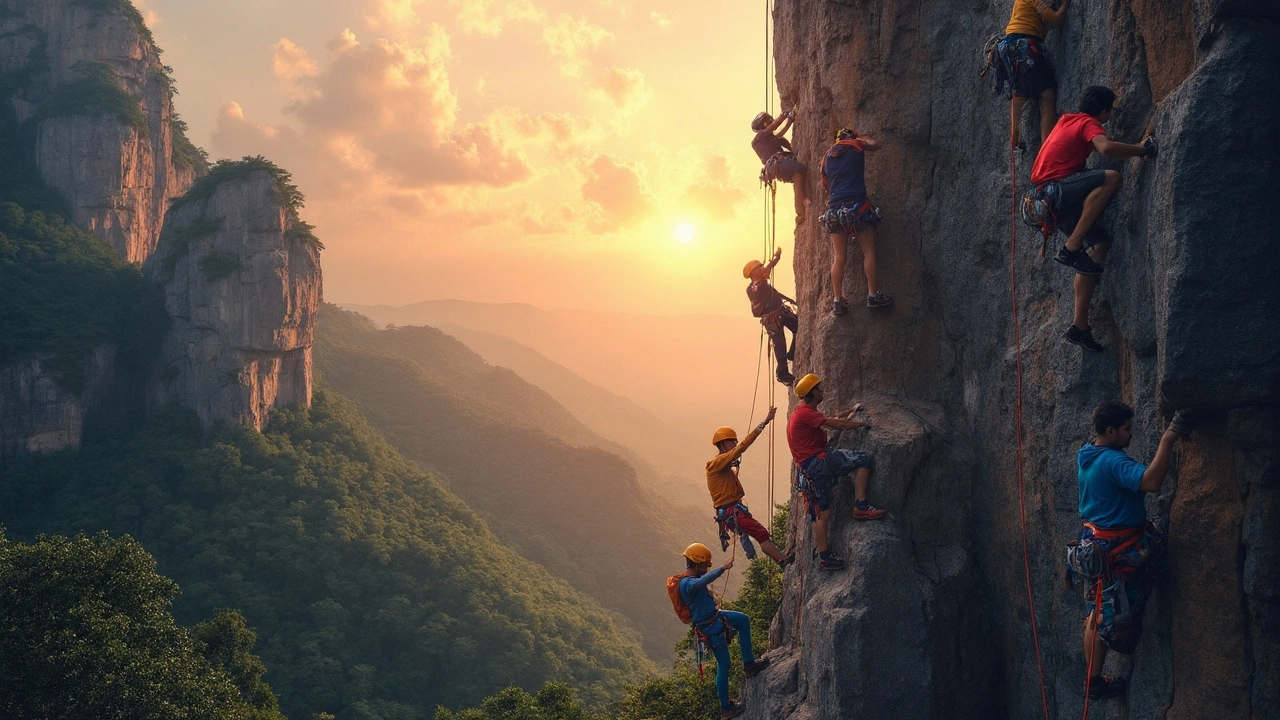
When you think of climbing, the physical act of ascending steep terrain, often using hands and feet, for sport, challenge, or survival. Also known as mountain climbing, it's not just about reaching the top—it's about how you get there, who you learn from, and what you see along the way. In India, climbing isn’t just a hobby. For some communities, it’s a way of life. The Gond people navigate forest cliffs like second nature. The Bhotiya carry heavy loads up Himalayan passes before breakfast. And the Apatani climb terraced hillsides that look like staircases carved by giants. This isn’t tourism. It’s tradition.
India’s climbing scenes vary wildly. In the north, the Himalayas offer serious alpine routes where altitude sickness is a real risk—something you can’t ignore. In the south, rocky outcrops near Hampi and Coonoor give you technical rock climbs without the snow. Then there’s the Eastern Ghats, where few tourists go but locals know every ledge and handhold. Each region has its own rules, weather patterns, and dangers. Monsoon season turns trails into rivers. Winter turns paths into ice slides. And solo hikes? They’re a bad idea unless you know the terrain and have a local guide.
What makes climbing here different isn’t just the views—it’s the people. You won’t find commercial guide companies everywhere. Often, you’ll learn from a farmer who climbs to his fields every morning, or a tribal elder who’s walked the same ridge for 60 years. That kind of knowledge doesn’t come in a brochure. It comes from listening. And that’s what you’ll find in the posts below: real stories from people who’ve climbed these trails, warnings from those who got caught off guard, and tips that actually work—like why you should never hike in flip-flops near Ladakh, or how to tell if a mountain path is safe after rain. Whether you’re planning your first rock scramble or your next high-altitude trek, these guides give you the practical truth—not the Instagram version.