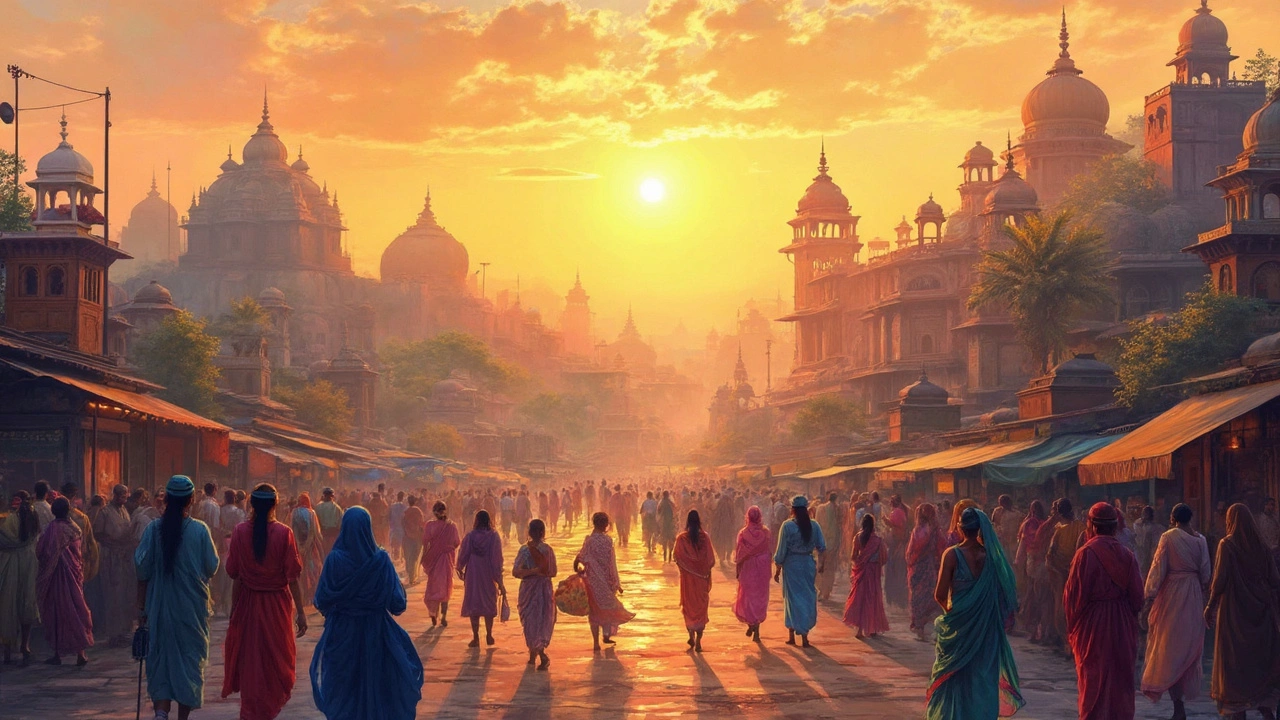
Cultural Heritage India: Discover Traditions, Temples, and True India
When you think of cultural heritage India, the living traditions, sacred sites, and centuries-old customs that define India’s identity. Also known as Indian heritage, it’s not just about ancient ruins—it’s about daily rituals, vibrant festivals, and communities keeping centuries-old practices alive. This isn’t a museum exhibit. It’s what you see when a family offers prasad at a temple in Varanasi, when drummers lead a procession in Kerala, or when a grandmother teaches her granddaughter to tie a sari the way her mother did.
India’s Hindu temples, sacred spaces that serve as centers of worship, art, and community life are more than architecture—they’re the heartbeat of local culture. From the towering gopurams of Tamil Nadu to the quiet stone shrines of Ladakh, each temple tells a story shaped by region, deity, and devotion. And then there are the Indian festivals, massive, colorful, deeply spiritual events that bring entire regions to life. Kumbh Mela draws millions. Puri’s Rath Yatra moves a 45-foot chariot through streets. Diwali lights up every corner. These aren’t tourist shows. They’re real, raw, and deeply personal.
What makes India’s heritage different? It’s not locked in the past. It’s worn on the body, cooked in the kitchen, sung in the streets, and passed down in whispers between generations. You don’t just observe it—you feel it. In the rhythm of a classical dance in Odisha. In the scent of incense drifting from a small village shrine. In the way strangers share food during a local fair, no questions asked.
Some think heritage means old things. In India, it means living things. The same hands that carved temple pillars now sell spices in the market. The same chants sung in 8th-century temples are hummed by a teenager on a scooter today. That’s why you can’t understand India’s heritage by reading a guidebook. You have to be there—on a bike, stopping at a roadside temple, asking a local what the festival means to them, or sitting quietly as the sun sets behind a gopuram.
The posts below aren’t just travel tips. They’re real stories from people who’ve walked these paths, sat in these temples, and joined these celebrations. You’ll find guides on temple etiquette, comparisons of regional cultures like Kerala and Ladakh, and the truth behind the biggest festivals. No fluff. No clichés. Just what you need to see, feel, and respect the real cultural heritage India—not the version sold in brochures.