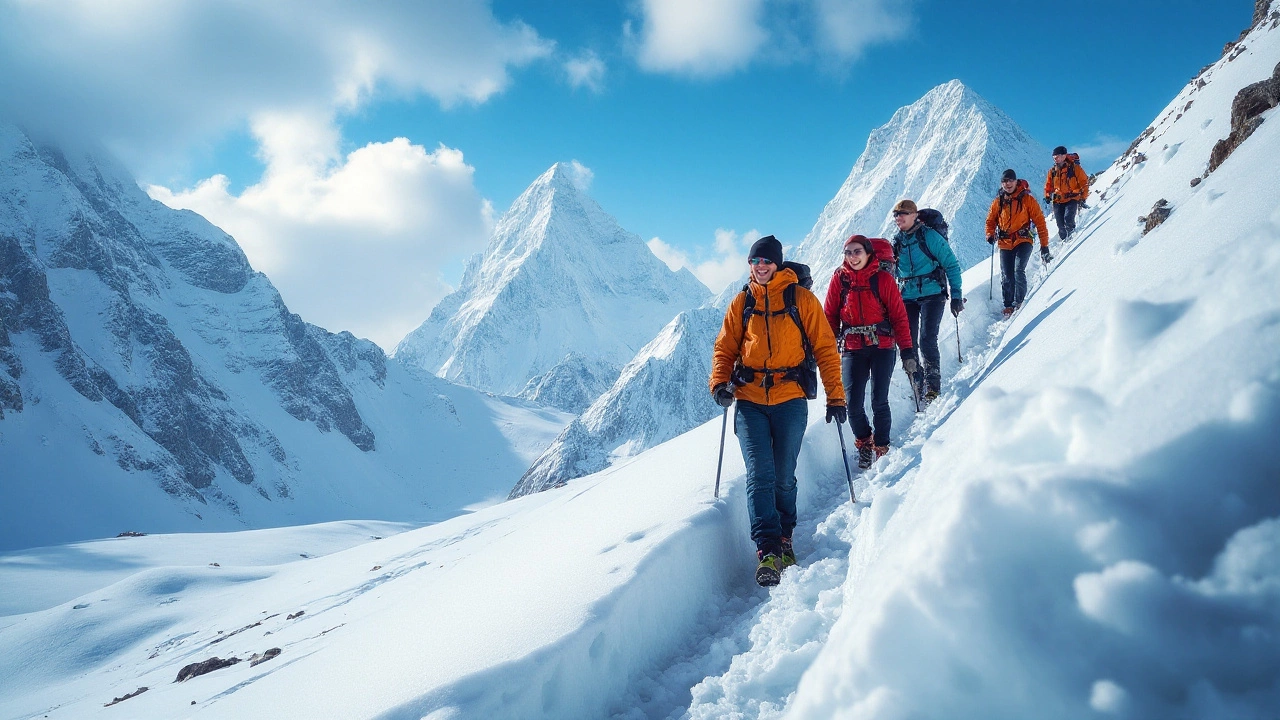
Difficult Trek: Tough Hiking Trails in India and How to Stay Safe
When you hear difficult trek, a hike that pushes physical limits, demands experience, and carries real risk, you’re not thinking about a scenic walk in the hills. You’re thinking about the thin air of Ladakh, the slippery rocks of the Himalayas, the sudden storms in the Western Ghats, and the isolation of trails where help is hours away. These aren’t just long walks—they’re tests of preparation, judgment, and resilience.
A high altitude trek, a hike above 3,000 meters where oxygen levels drop and the body struggles to adapt isn’t just about being fit. It’s about understanding altitude sickness, knowing when to turn back, and carrying the right gear. The India trekking hazards, the real dangers hikers face on remote trails—from landslides and hypothermia to poor navigation and solo risks aren’t myths. They’re documented in emergency reports from Manali to Kedarnath. And yet, many still underestimate them because the views are breathtaking. But beauty doesn’t protect you from a fall, a sudden storm, or a missed trail marker.
What makes a dangerous trekking situation, a scenario where lack of experience, bad weather, or poor planning leads to life-threatening risk isn’t always the trail itself. It’s the person on it. Someone who skips acclimatization, ignores weather warnings, or hikes alone without a map or phone signal. These aren’t rare cases—they happen every season. And they’re preventable.
You won’t find a single list that covers every difficult trek in India. But you will find real stories from people who’ve been there—the ones who turned back before it was too late, the ones who got lost in the fog, the ones who made it through because they planned for the worst. Below are posts that break down exactly what to watch for, where the real dangers hide, and how to avoid becoming a statistic. No fluff. No guesswork. Just what you need to know before you lace up your boots.