Habitat Preservation: Protecting India’s Wild Spaces for Future Travel
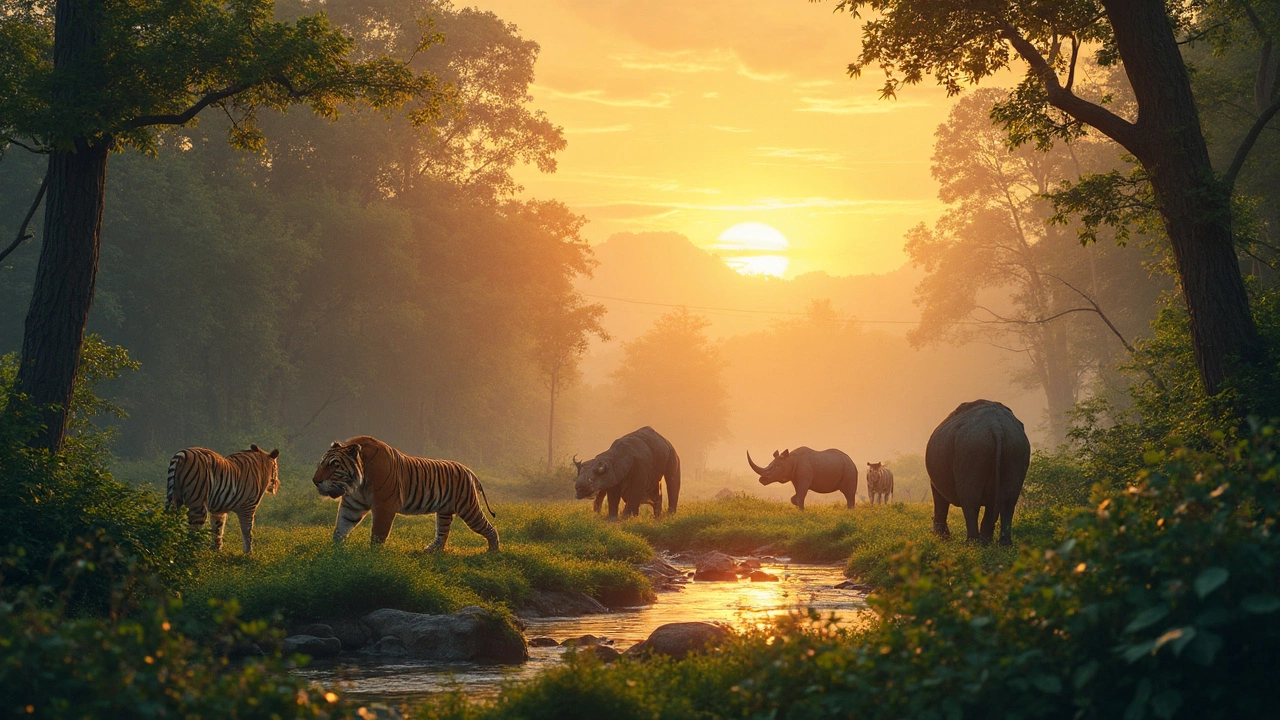
When we talk about habitat preservation, the practice of protecting natural environments so plants and animals can survive and thrive. Also known as ecosystem conservation, it’s not just about saving trees or stopping poaching—it’s about keeping entire living systems intact so future travelers can still experience wild India on two wheels. Without healthy habitats, the birds you spot on a Kerala backwater ride, the leopards near Ranthambore, or the snow leopards in Ladakh simply vanish.
Wildlife sanctuaries, protected areas designed to shield animals from human threats like logging, mining, and hunting are the backbone of this effort. But they’re not magic shields. As posts on animal safety and threatened species show, even protected zones face pressure from roads, tourism, and climate shifts. A sanctuary in Karnataka might be safe from poachers, but if the nearby forest is cleared for a new highway, the animals lose their corridor to move, feed, or breed. That’s why conservation, the active management of natural resources to prevent exploitation and extinction must go beyond fences and signs. It needs local support, smart tourism, and real policy.
And it’s not just about big mammals. Biodiversity, the variety of life in a given area—from insects to trees to fungi is what makes India’s landscapes unique. When you ride through the Western Ghats or the Sundarbans, you’re passing through one of the world’s richest biological hotspots. Lose one species, and the whole chain unravels. Bees disappear? Pollination drops. Fish vanish? Birds starve. Trees fall? Soil erodes. That’s why habitat preservation isn’t a side note for nature lovers—it’s essential for anyone who wants to explore India’s wild beauty without it becoming a memory.
The posts you’ll find here don’t just talk about problems. They show real places where preservation is working—and where it’s failing. You’ll read about how sanctuaries protect animals, what makes some regions more vulnerable than others, and why even a quiet ride through a forest can make a difference if done right. Whether you’re planning a solo trek in the Himalayas or a coastal ride through Lakshadweep, understanding how habitat preservation shapes your route means you’re not just a visitor—you’re part of the solution.