Himalayan Treks
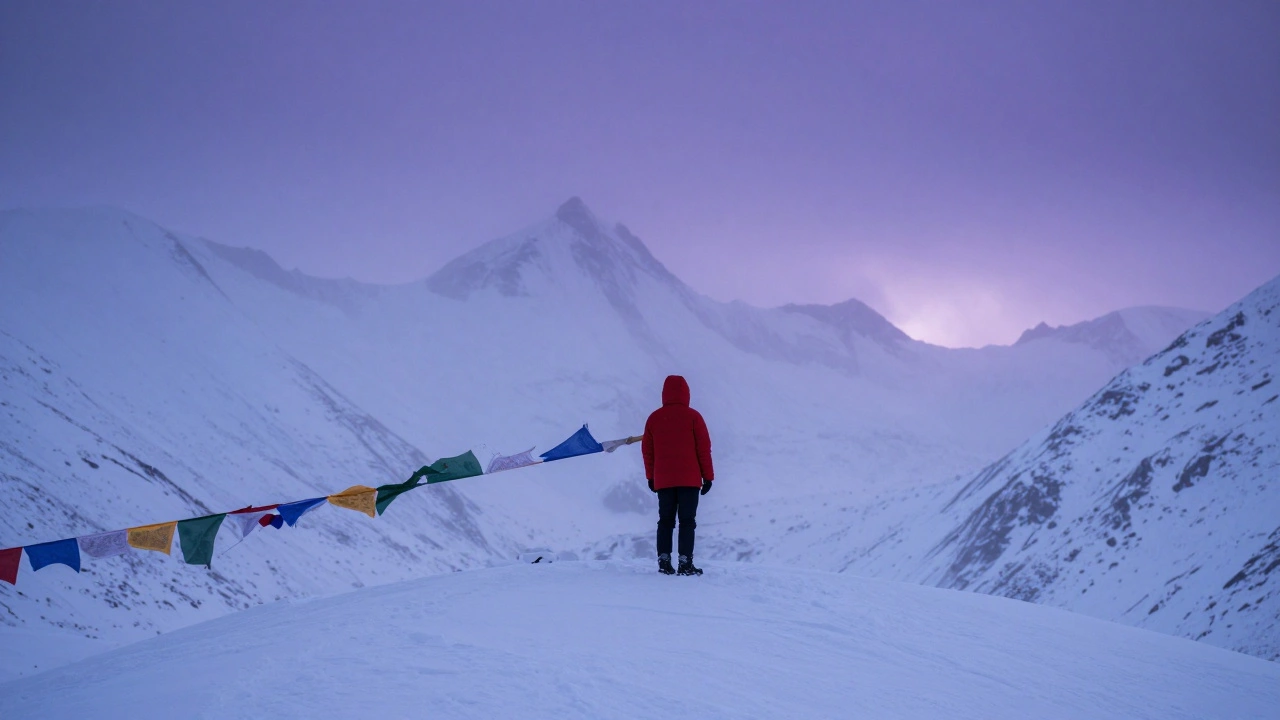
When you think of Himalayan treks, high-altitude hiking routes through the world’s tallest mountain range, often in remote regions of India like Ladakh, Uttarakhand, and Sikkim. Also known as mountain treks, these journeys aren’t just about views—they’re about endurance, culture, and pushing past limits. You’re not just walking through mountains. You’re crossing ancient trade routes, passing prayer flags that have whispered for centuries, and sleeping under skies so clear you can see the Milky Way like it’s painted there.
Himalayan treks require more than good shoes. They demand respect for altitude sickness, a real risk above 2,500 meters where the air thins and your body struggles to adapt. Many travelers underestimate this. You can’t just show up in Leh and hike to Khardung La. Your body needs days to adjust. That’s why most serious treks include acclimatization days—rest stops in villages like Nubra or Pangong where you sip butter tea and let your blood adjust. And then there’s the weather. monsoon season, the rainy period from July to September that turns trails muddy and landslides common, shuts down most routes. The best time? May to June or September to October, when the air is crisp, the skies are clear, and the trails are dry.
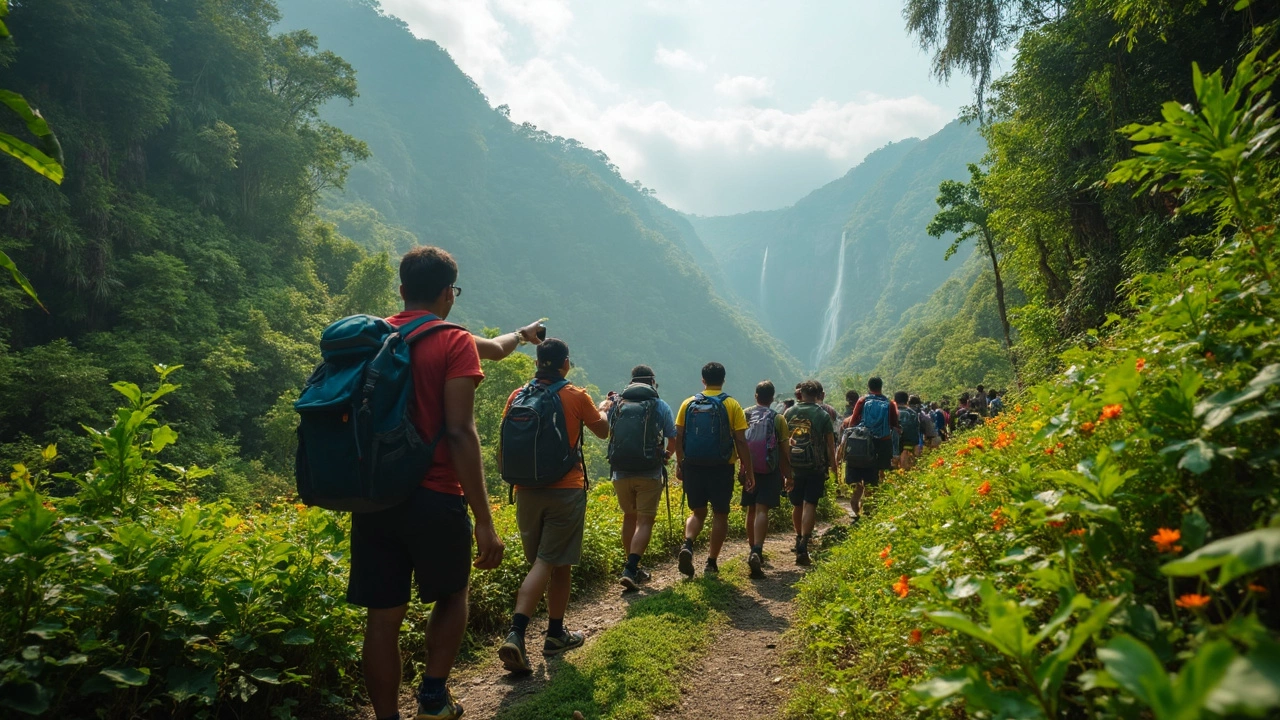
These treks connect you to places few tourists ever see. The Markha Valley route in Ladakh isn’t just a path—it’s a pilgrimage for many, lined with monasteries where monks chant at dawn. In Uttarakhand, the Valley of Flowers isn’t just a national park—it’s a living carpet of wild blooms that only open in summer. And in Sikkim, the Goecha La trek doesn’t just show you Kanchenjunga—it makes you feel small in the best way possible. These aren’t tourist spots. They’re experiences that change how you see distance, effort, and silence.
What you’ll find in the posts below are real stories from people who’ve done these treks—not just the highlights, but the mistakes, the near-misses, the moments when they thought they’d turn back. You’ll learn which trails are safe for beginners, which ones need a guide, and which ones you should skip if you’re not prepared. There’s advice on gear, food, permits, and how to spot when your body is telling you to stop. No fluff. Just what works—and what doesn’t—on the world’s most beautiful, toughest trails.