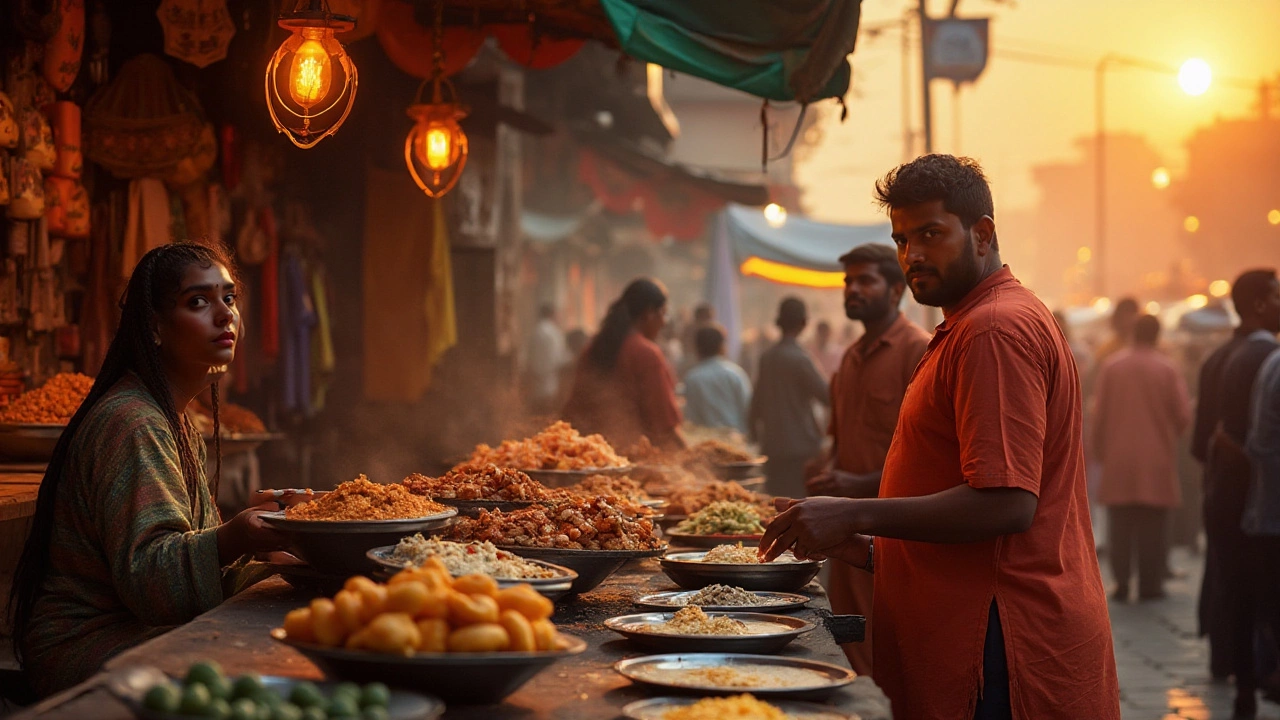
Indian travel tips: Essential advice for safe, smart, and authentic trips across India
When you’re planning a trip to India, a country where ancient traditions meet modern chaos, and every region tells a different story. Also known as the Indian subcontinent, it’s not just a destination—it’s a sensory overload you need to prepare for. Good Indian travel tips aren’t about avoiding risks—they’re about understanding them so you can move through the country with confidence, not fear.
One of the biggest mistakes travelers make is treating India like a single place. It’s not. What works in Kerala, a lush, humid state known for backwaters, ayurveda, and relaxed vibes won’t help you in Ladakh, a high-altitude desert where oxygen is thin, temperatures drop fast, and silence is louder than traffic. Your packing list, your pace, even your food tolerance—all change depending on where you are. That’s why the best Indian travel tips come from real experience, not guidebooks. Know the monsoon risks before hiking in the Western Ghats. Understand temple dress codes before stepping into a Shiva shrine. Learn how locals actually pay for buses, not what the tourist brochure says.
Safety isn’t about never getting lost—it’s about knowing how to handle it. In South India, where most foreign tourists go, you’ll find clean streets, friendly locals, and low crime. But that doesn’t mean you ignore basics: don’t flash cash, avoid unmarked taxis, and always carry a photo of your passport. In Punjab, women travelers need to know local norms around dress and public behavior—not because it’s restrictive, but because respect opens doors. And when you’re trekking in the Himalayas, altitude sickness isn’t a myth—it’s a real danger. You don’t need a medical degree, but you do need to recognize the symptoms before you’re too far from help.
And then there’s culture. A temple isn’t just a building. It’s a living space where prayer, ritual, and daily life blend. Taking photos where it’s forbidden, wearing shoes inside, or refusing prasad isn’t just rude—it breaks trust. These aren’t rules to follow blindly; they’re signals that say, "I see you’re trying to understand." That’s the difference between being a tourist and being a guest.
Money matters too. How much you need for two weeks in South India? It’s not a fixed number—it’s a range, depending on whether you sleep in hostels or heritage hotels, eat street food or fine dining. But you can plan it. Real numbers, not guesses. And if you’re wondering why so many foreigners end up in Goa or Kerala, it’s not just the beaches. It’s the rhythm. The slower pace. The way time feels different here.
Below, you’ll find real stories from people who’ve been there—what went right, what went wrong, and what they wish they’d known before landing. No fluff. No hype. Just the kind of advice that keeps you safe, saves you money, and turns a trip into something you’ll remember for years.