North India Tourism
When you think of North India tourism, the vast, rugged, and spiritually rich region stretching from the Himalayas to the Thar Desert. Also known as Northern India, it’s where ancient temples stand beside snow-capped peaks, and desert caravans still echo with history. This isn’t just another travel destination—it’s a landscape that changes every few hundred kilometers, from the quiet monasteries of Ladakh to the bustling bazaars of Jaipur.
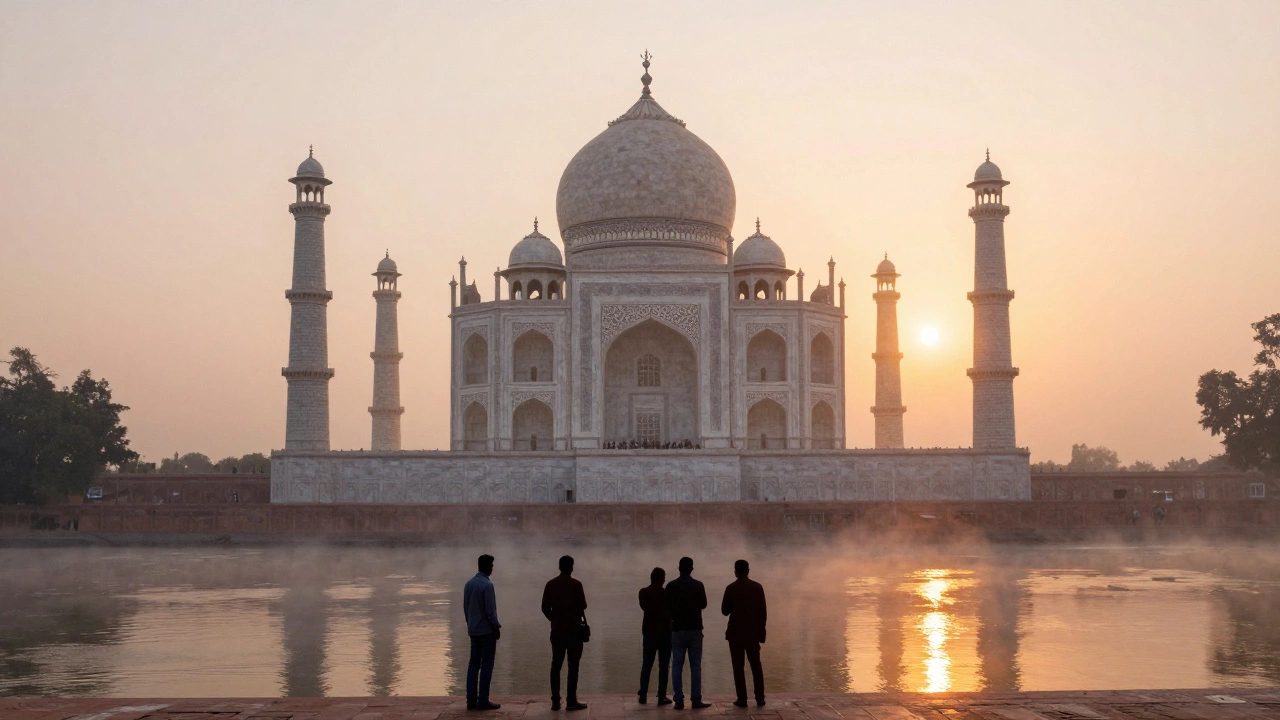
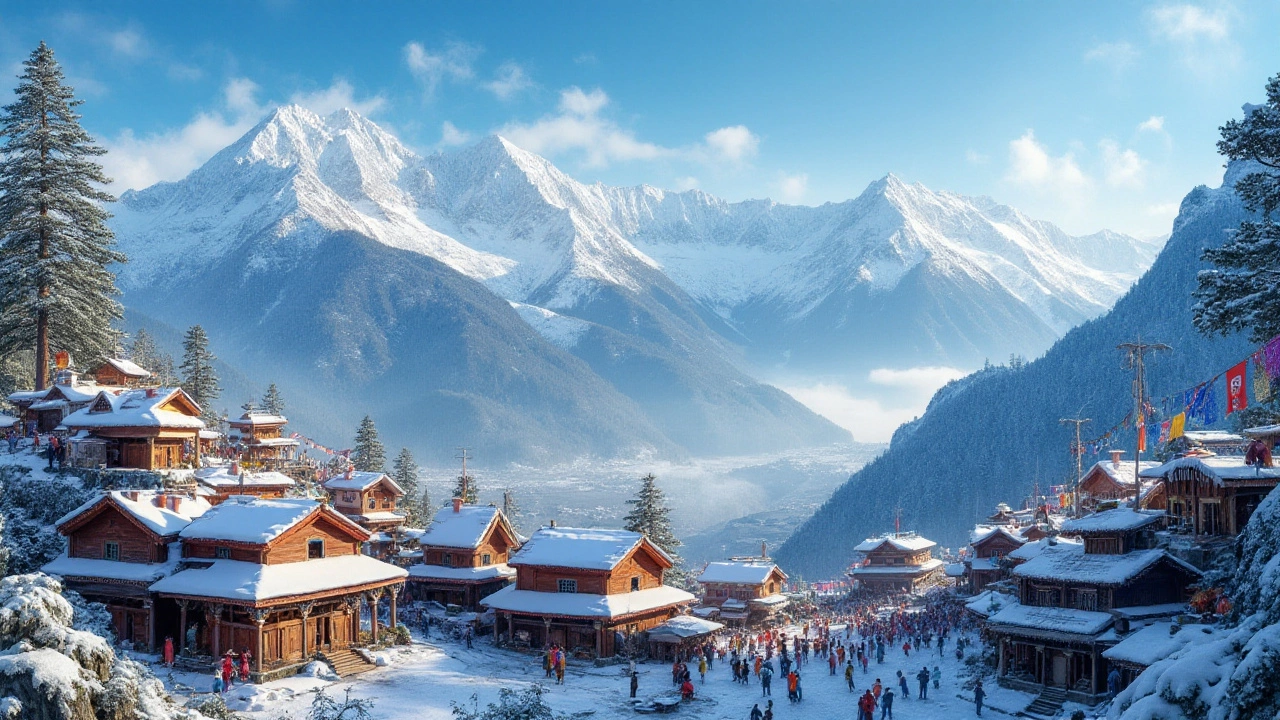
What makes North India tourism different from the south? It’s the altitude, the silence, the cold wind on your face as you ride through the Zoji La pass, or the way the sun hits the Taj Mahal at dawn. You won’t find backwaters here—you’ll find high-altitude lakes, Buddhist chants in Spiti, and the smell of chai drifting from roadside stalls in Rishikesh. Ladakh travel is a test of endurance and wonder, while North India safety is less about danger and more about preparation—knowing when to pack warm layers, how to handle altitude sickness, and which roads to avoid during monsoon.
People ask why so many foreigners choose North India over Goa or Kerala. The answer isn’t just the Taj Mahal. It’s the freedom. On a bike, you can ride from Delhi to Manali in five days, stop at a village shrine for tea, and sleep under stars in a remote valley with no tourists in sight. This region rewards curiosity. You’ll meet monks who’ve walked from Tibet, families who’ve run tea shops for three generations, and road-side mechanics who’ll fix your bike with a hammer and a smile. The stories you’ll collect here aren’t in guidebooks—they’re in the way a stranger offers you a ride when your tire blows out, or how a temple priest in Varanasi tells you to leave your shoes at the gate without saying a word.
If you’re planning a trip, don’t just chase landmarks. Follow the roads less traveled. The route from Manali to Spiti isn’t on every map, but it’s where you’ll find the clearest skies and the quietest moments. The desert of Rajasthan isn’t just about camel safaris—it’s about listening to folk songs under a full moon in Jaisalmer. And yes, you’ll need to plan for weather, altitude, and rough roads—but that’s part of the ride. Below, you’ll find real experiences from riders who’ve done it: safety tips for women traveling alone in Punjab, why North India draws more US tourists than ever in 2025, and how to actually survive a 10-day bike trip without burning out. This isn’t a list of must-sees. It’s a guide to what happens when you stop following the crowd—and start exploring on your own terms.