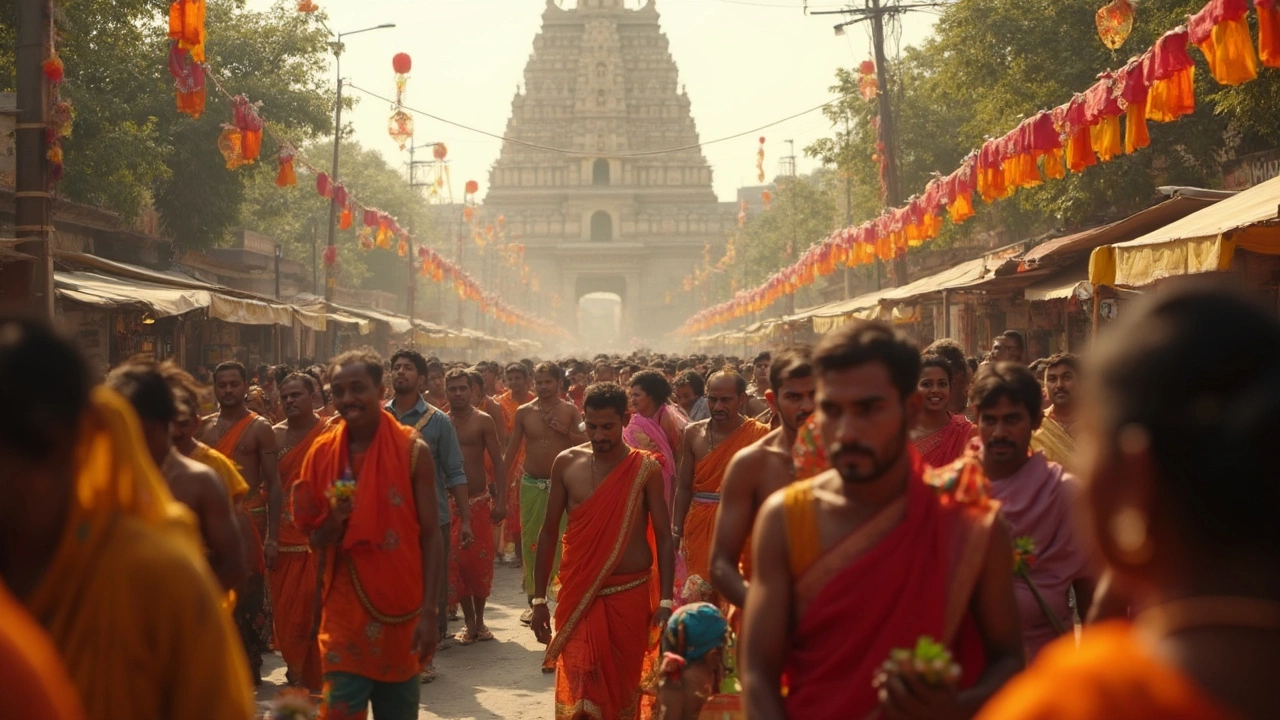
Temple Etiquette: How to Respect Hindu Temples in India
When you walk into a Hindu temple, a sacred space for worship, ritual, and community in Hindu tradition. Also known as a mandir, it’s not just a building—it’s a living center of faith where millions connect with the divine every day. Tourists often visit these places out of curiosity, but many don’t realize how deeply respect matters here. A simple mistake—like wearing shoes inside or pointing your feet at an idol—can unintentionally offend. This isn’t about rules for rules’ sake. It’s about recognizing that for many, this is the most sacred ground they know.
Temple etiquette isn’t complicated, but it’s specific. You’ll need to remove your shoes before entering—always. Leave them at the designated racks, never carry them inside. Dress modestly: no shorts, tank tops, or revealing clothes. Men and women should cover shoulders and knees. Women are often asked to avoid wearing sarees or skirts that expose the legs while walking around the inner sanctum. Photography is usually allowed in outer courtyards, but never inside the main shrine unless clearly permitted. And never touch idols or offerings unless invited. Even the way you walk matters—move calmly, avoid turning your back to deities, and don’t use your left hand to receive prasad (blessed food). These aren’t arbitrary customs. They’re rooted in centuries of spiritual practice, and following them shows you honor the space as much as the people who come here.
Many travelers don’t realize that temple rules vary slightly by region. In South India, temples are often more strict about dress and entry. In North India, some temples allow women to enter during menstruation, while others don’t. In Kerala, you might be asked to wear a dhoti or mundu if you’re male. In Varanasi, you’ll find temples where even non-Hindus can enter, but silence is expected. The common thread? Always watch what locals do. If they bow before entering, bow too. If they leave water bottles outside, do the same. This isn’t tourism—it’s participation. And when you get it right, you’ll notice how temple staff smile more, how the air feels different, how the experience becomes more than just sightseeing.
There’s a reason so many visitors leave Indian temples feeling changed. It’s not just the incense, the bells, or the chants. It’s the quiet dignity of the place—and the respect you bring to it. The posts below give you real, practical advice on what to wear, what to avoid, and how to move through these spaces without stepping out of line. You’ll find tips from travelers who’ve made the mistakes so you don’t have to. Whether you’re visiting a tiny village shrine or the grand Meenakshi Temple in Madurai, these guides will help you show up the right way.